Start here: practical emergency prep for families
Calm, step-by-step guides for storms, power outages, evacuations and the paperwork that matters. Pick the situation on your mind and start there.
Written by a parent who completed CERT (Community Emergency Response Team) training. Safety guidance comes from named public sources.
Three good first steps
Do them in any order. Each one is a small job.
Top guides
Each group below is a good place to begin. Read one guide, do one thing, and you have made real progress.
Hurricanes, tornadoes and winter storms: what to do ahead of time, and when it is on the way.
Staying warm, keeping food safe and getting through the night when the lights go out.
A plan everyone knows, a kit that is packed, and the pets and little things people forget.
Know what to keep, in what form, and where it lives, before you need to look for it.
Editor's picks
A short list, chosen by hand, of the guides we would read first.
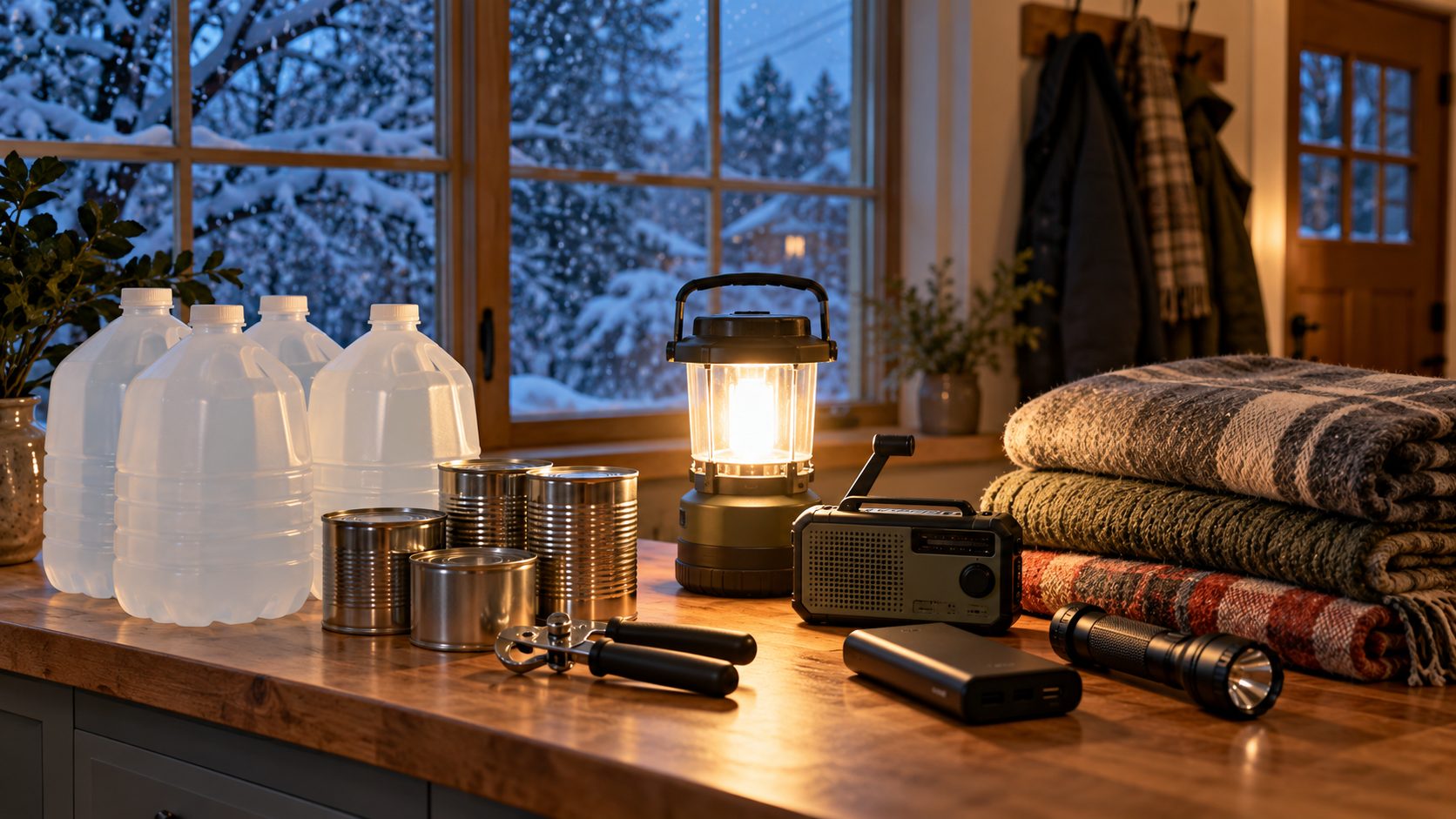
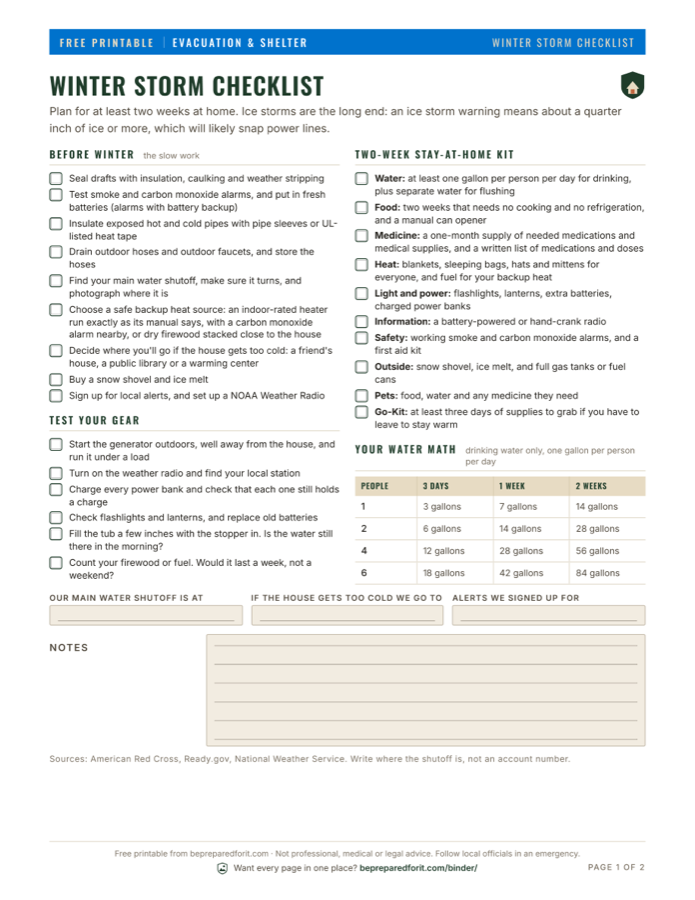
Emergencies Winter storm prep works best in three windows. Here's what to do before the season, when a watch is issued, and when the warning comes, with water math, the gear test most lists skip, and a free two-page printable checklist.
23 min read
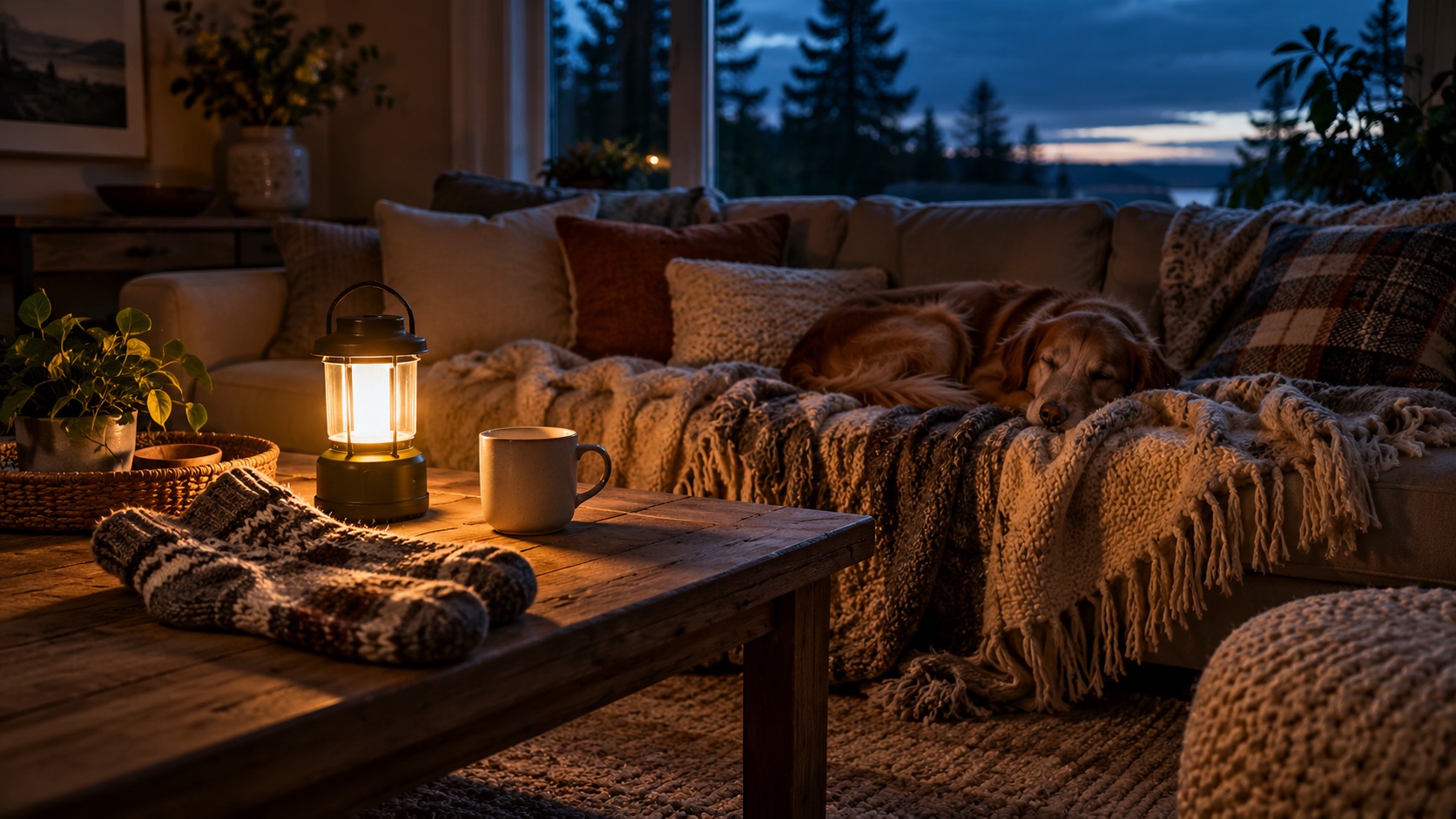
Emergencies When the power goes out in a winter storm, the plan isn't to heat the house. It's to close off one room, choose safe heat, and watch for carbon monoxide.
9 min read
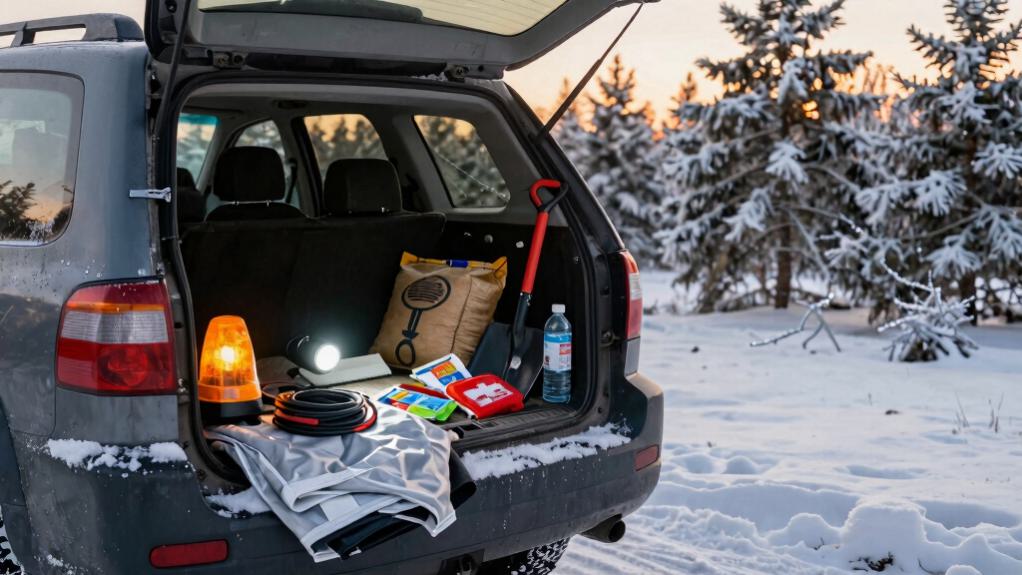
Emergencies A simple winter car kit, plus where to keep it so you can grab what you need fast if you get stuck.
8 min read
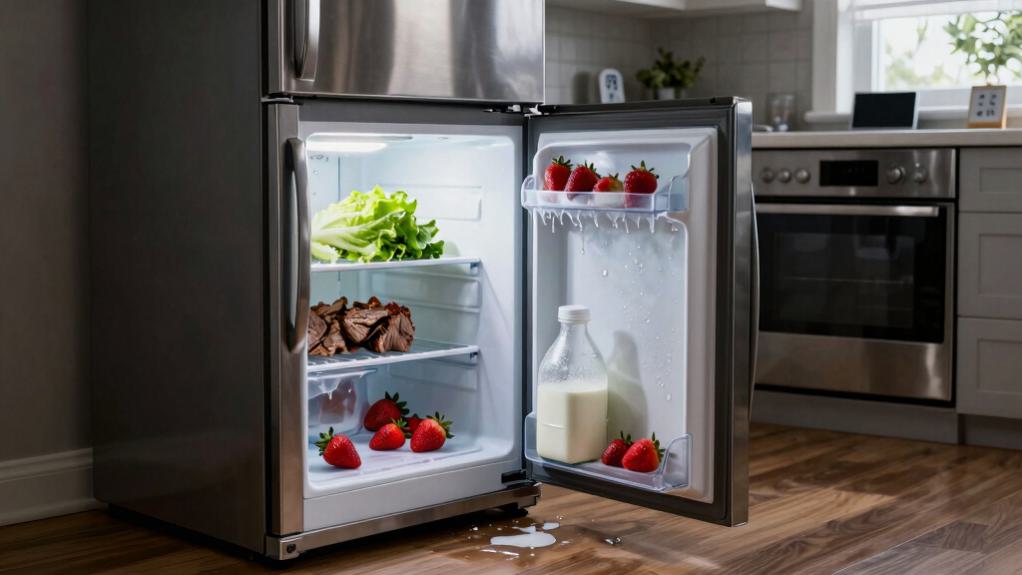
Emergencies A closed fridge lasts about 4 hours without power, a full freezer about 48. Here's how to decide what's still safe to eat.
6 min read
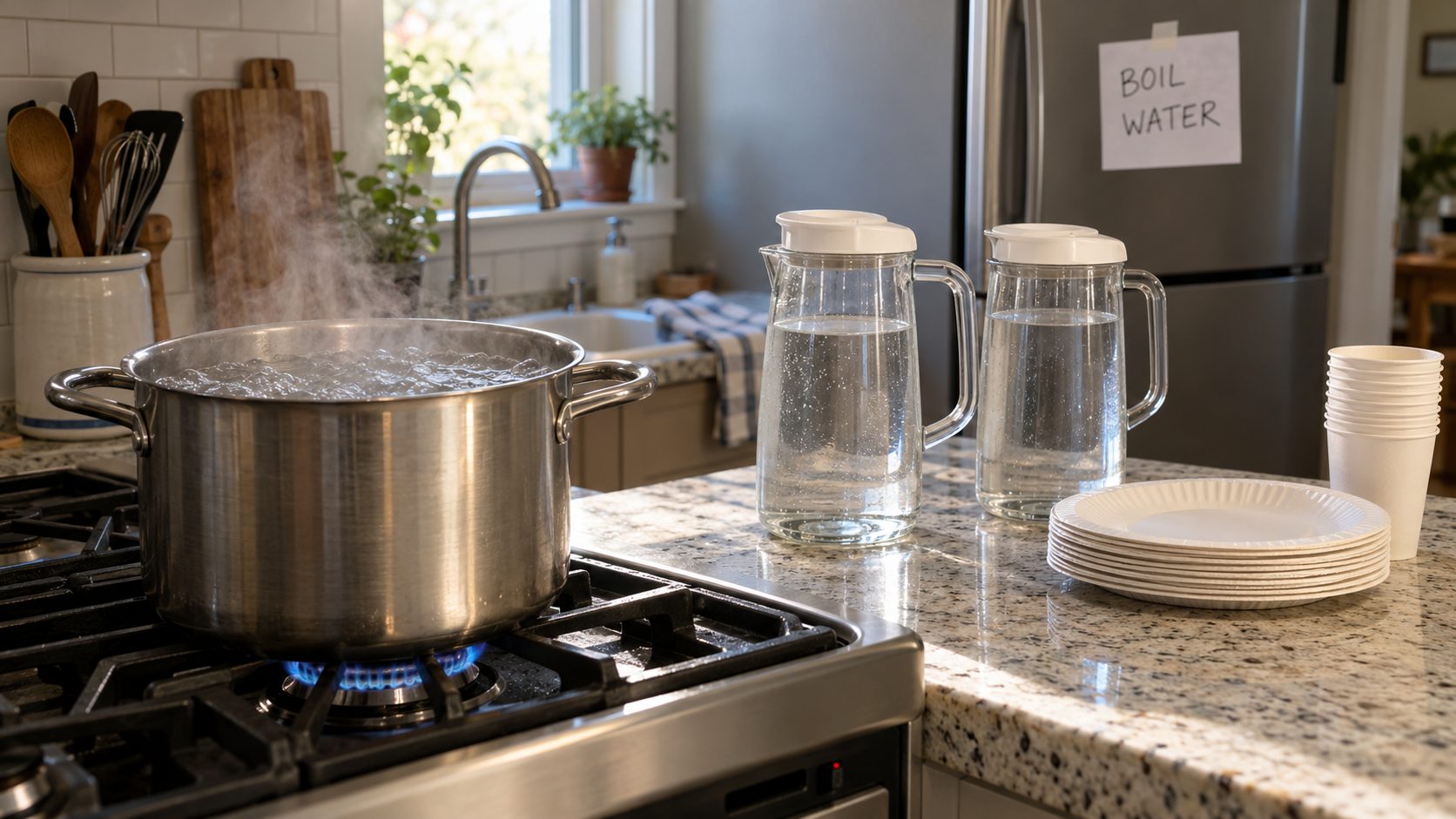
Emergencies What to boil, what tap water is still fine for, the flush checklist to run when the boil water notice ends, and a free two-page printable with a fridge card for the whole house.
17 min readWhat to look for in a NOAA weather radio, using the National Weather Service's own guidance, plus three models compared on county alerts, power and phone charging.
9 min readFree printables
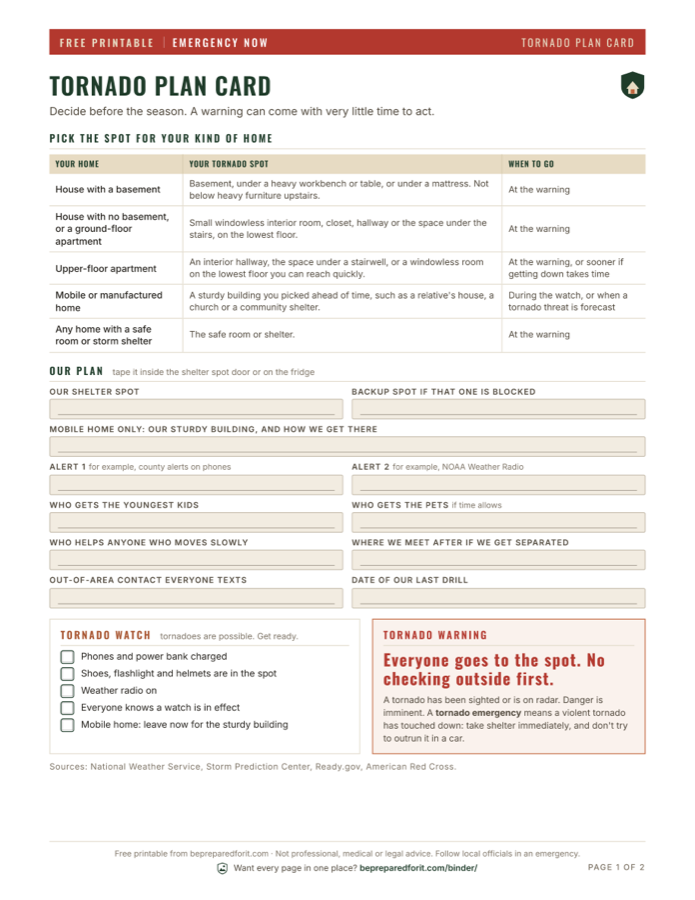
Each one goes with a guide. Open the guide, and you can get the printable sent to your email.
Your safe spot, backup spot, who gets the kids and where to meet, on one card.
Before-winter, watch, warning and power-out lists for the house.
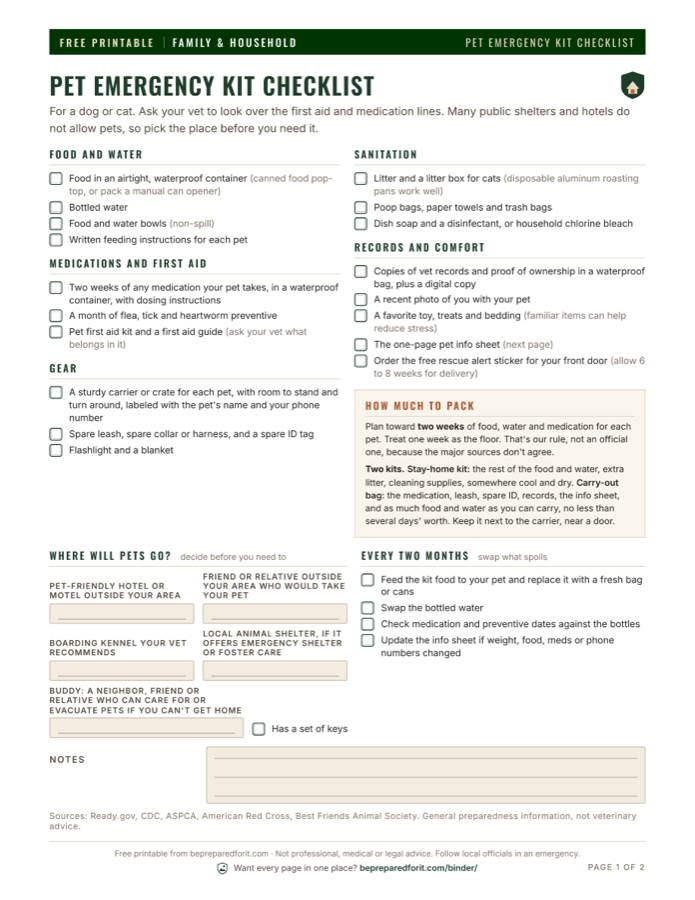
The kit checklist by group, plus where your pets can go if you leave home.
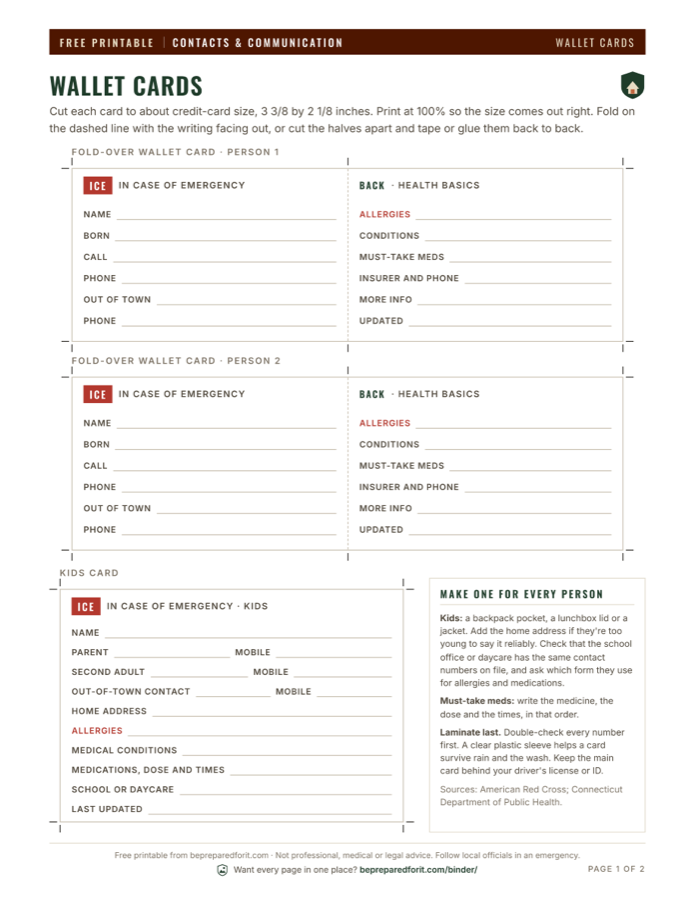
Fold-over wallet cards, a kids card and a fridge-size household contact sheet.
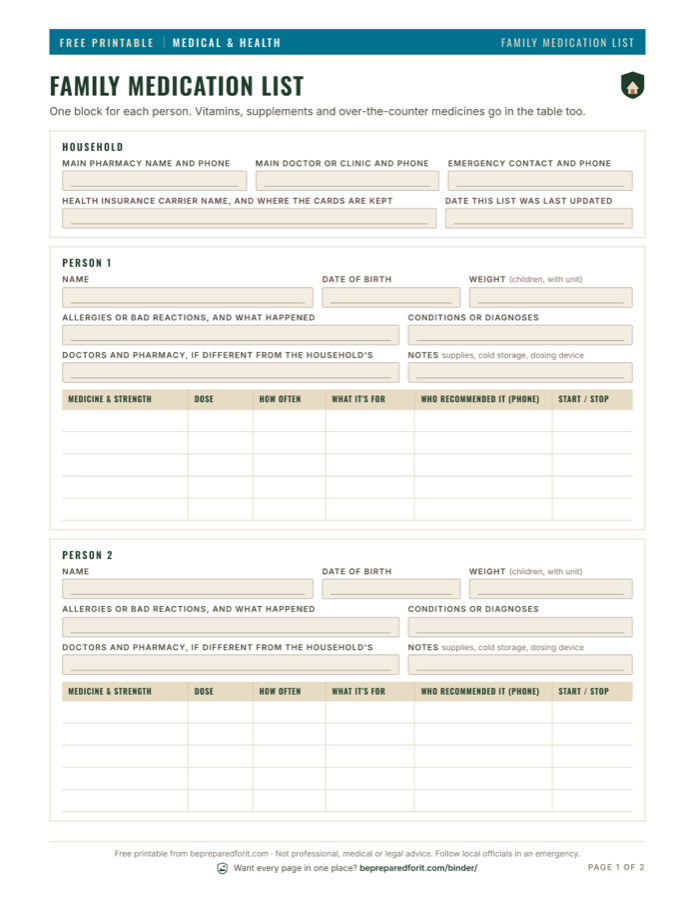
Two fillable pages: a household block and room for four people.
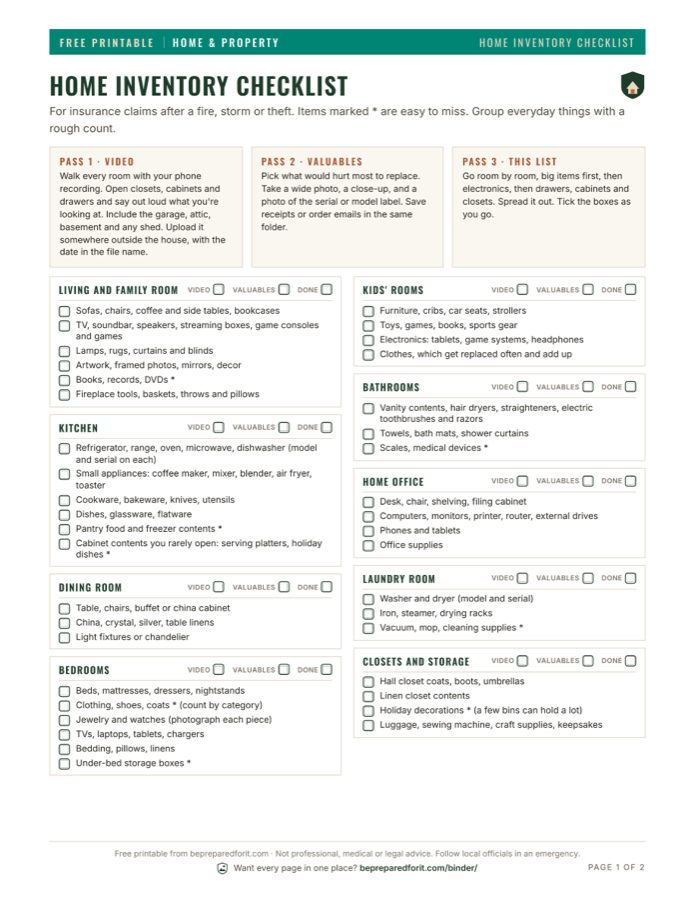
Room-by-room tick boxes for 13 rooms, plus a table for high-value items.
Keep reading
A pre-made roadside emergency kit is a reasonable base, but rarely a complete one. Here is how to read a contents list, spot the gaps, and decide between buying and building.
13 min readThe best camping gift is often gear the camper will also reach for when the lights go out at home. Here are seven types, what to check on each, and the two that never come indoors.
14 min readWhich type of hand warmer belongs in a car or storm kit, what the makers publish, the rechargeable models recalled in 2026, and the signs that mean a warmer is not enough.
13 min read
When you want it all in one place
If you would rather have your contacts, documents and plans in a single printable binder, we built one. Everything on this site works without it.
See the Family Emergency Binder →Who's behind this
I'm a parent who completed CERT (Community Emergency Response Team) training. I'm not an emergency professional, so the safety guidance here comes from named public sources. Where we live, we see tornadoes, hurricanes, fires, floods, extreme heat, and cold we're not built for. The lesson that stuck: having your information written down before you need it takes one worry off the list. I started this site to give regular families the practical, no-panic guidance I wish I'd had. No bunkers, no fear, just what to buy, store, and do.
More about the site →