Emergencies & Disasters
What to Do During a Power Outage at Night
We may earn a commission if you buy through our links, at no extra cost to you. We don't test every product ourselves. We read and weigh real buyer reviews to give a fair, balanced picture. How we research.
In this guide
During a nighttime power outage, grab a flashlight, gather everyone into one room, and lock up first. Check whether it’s just your home or the whole block, keep the fridge shut (food stays safe about 4 hours), light with battery LED lanterns instead of candles, and never run a generator or grill indoors, since carbon monoxide can kill.
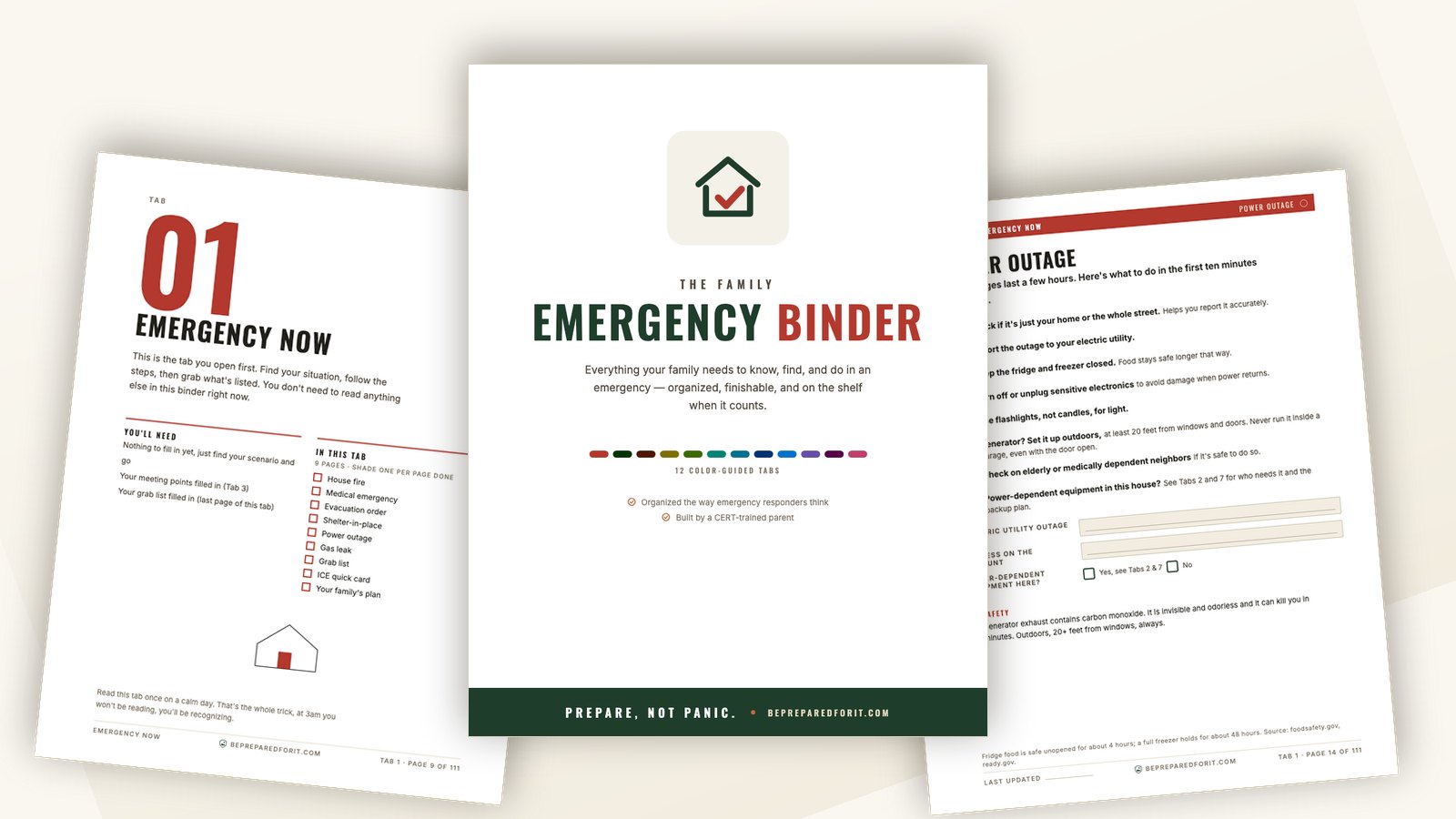
The first few minutes of a night power outage matter most. Move slow, grab a flashlight, and check that everyone is okay before you do anything else. Most of the mistakes people make are small and easy to avoid once you know them, the same first-response steps a family emergency binder keeps organized and ready. Here is how to get your family through the night safely and stay comfortable until the lights come back.
Stay calm and secure your home first
Take a breath. Panic does not turn the power back on, but clear thinking keeps everyone safe.
Grab your phone and a flashlight. You will want both right away. Check that everyone in the house is accounted for, then move slowly through your space. Outages can draw the wrong kind of attention, and you cannot spot problems you would normally see in the light.
Lock up. Doors, windows, and the deadbolts you rarely touch. Test your garage door lock by hand, since the automatic opener will not work without power. If you have a security system with battery backup, make sure it is still running.
Pull everyone into one room. You will save flashlight batteries and always know where each other is. The dark calls for extra care, and steady, simple steps turn a tense moment into one you can handle.
Check if the power outage is just your house
Step outside and look around. If the streetlights are on and your neighbors’ windows are lit, the problem is yours alone.
Check your electrical panel to see if a breaker tripped. One flipped breaker can explain the whole thing. Reset it. If it trips again, you have a wiring problem, not a neighborhood outage.
Still dark everywhere? Call your utility company. Report the outage and check their app or website for a restoration estimate. Many providers map the affected areas in real time.
Knowing whether the outage is just your home or the whole block tells you what to do next. A cooler or insulated container helps if it is widespread and your food needs to stay cold. You will not waste an hour troubleshooting a problem three blocks away, and you will not sit waiting on a crew when your own breaker just overloaded.
Report the outage to your utility company
Reach your utility company through their outage reporting system. Do not assume they already know. Your report helps them find the problem faster.
Here is what to do:
- Find your utility contact on your phone or a paper bill
- Use their app or website to report online
- Call their emergency line if you see downed power lines
- Have your account number ready to speed things up
Most utilities take text reports now too. Keep your phone charged and your flashlights handy while you wait. They will give you an estimated restoration time, though repairs at night often take longer. A portable power station can run a light and keep phones charged while you wait, which helps most after dark.
Light your home safely without candles
You do not need candles, though emergency candles are a reasonable backup if you handle them with care. Use your phone’s flashlight for now, but do not drain it. You have better options.
Pull out the battery-powered LED lanterns or flashlights from your emergency kit. They give a soft, steady light with no flame. Check the batteries first. Leaking or corroded cells can damage a device. Store spares in a cool, dry spot, not loose in a drawer where they touch metal.
Headlamps keep your hands free. Solar lights charged on a windowsill during the day work too. Clip-on book lights go anywhere. Glow sticks are fine for a quick trip to the bathroom.
Test your lights once a month. Swap batteries every six months. You stay lit, and you skip the fire risk of open flames.
Battery safety is worth the small effort, since leaking or corroded cells can ruin the emergency flashlight you are counting on.
Protect your electronics from power surges
When the power comes back, it can surge and damage what is plugged in. Unplug your TV, computer, and other sensitive electronics until the power is steady. Unplugging also lowers the risk of backfeeding through connected solar gear. Keep portable solar panels and chargers disconnected until things settle.
Keep food cold and avoid opening the fridge
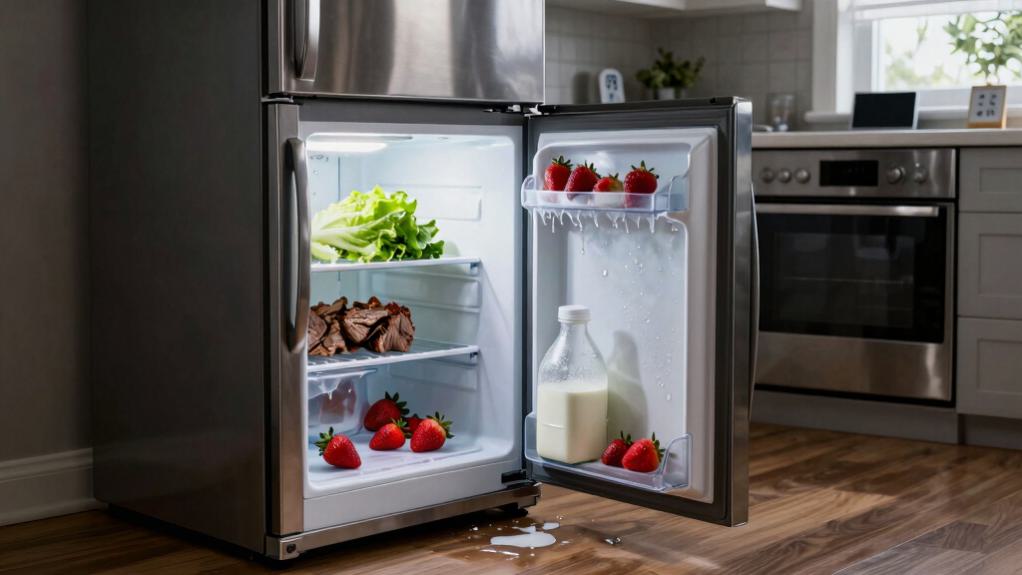
Your refrigerator is your best friend during a night outage. Keep meats and dairy toward the back where it is coldest, and put a thermometer inside so you can watch the temperature. You want it to stay below 40°F. If the outage runs long, our guide on keeping food cold during a long power outage covers dry ice, coolers, and other ways to buy time.
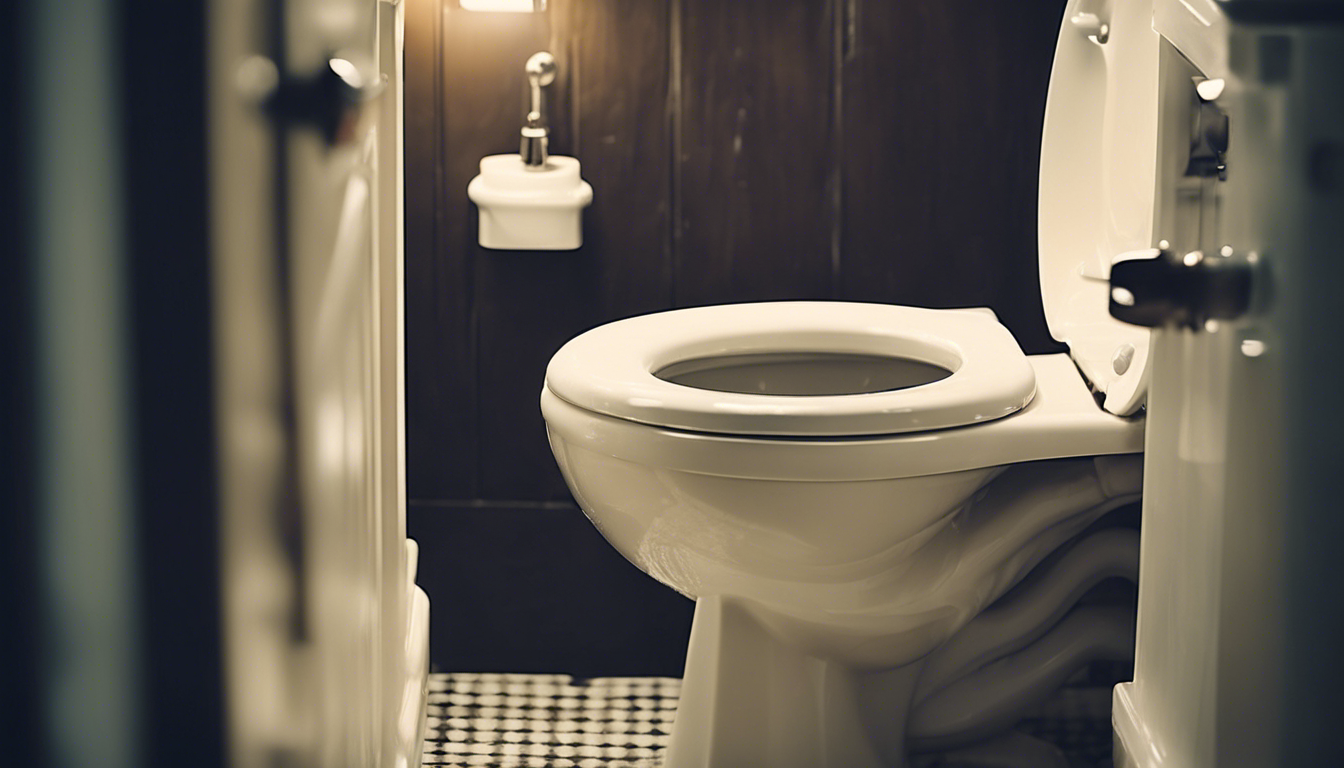
The bathroom keeps working too. A standard toilet flushes on gravity, not electricity, so you’re fine unless your water comes from a well pump, in which case you’ll want a bucket of stored water on hand.
Keep the door shut. Every peek lets out cold air you cannot get back. Plan ahead instead. Grab what you need in one quick trip. A full freezer holds its temperature longer, so freeze water bottles ahead of time to fill the empty space. Speed matters. FoodSafety.gov puts the safe window at about four hours for a closed refrigerator, and warns not to taste food to judge whether it’s safe. When food has sat above 40°F for more than two hours, throw it out rather than guess by smell. Knowing the safe temperatures and handling steps helps you act fast and with confidence.
Stay warm without risking fire or CO poisoning
As the food stays cold, your own body heat drops hour by hour. Staying warm matters, and you can do it without any fire risk.
- Layer up. Wear a hat, gloves, and thermals to trap body heat with no outside source.
- Use blankets and sleeping bags. Pile them on and huddle with family or pets to share warmth.
- Seal drafts. Block the gaps under doors and windows with towels to hold heat in.
- Never use outdoor equipment indoors. Gas grills, generators, and camp stoves give off carbon monoxide, which is deadly. Run a generator outdoors and at least 20 feet from windows, doors, and vents, and install battery-backed CO detectors on every level of the house. CDC data puts unintentional CO poisoning deaths at more than 400 Americans a year, and symptoms often feel like the flu, so a working detector matters more than trusting your nose.
Check on neighbors, especially older folks living alone. Smart choices keep you safe, not shortcuts. A few safe heating habits prevent both fires and carbon monoxide trouble during an outage.
Preserve phone battery and maintain communication
Save your battery right away. Switch your phone to airplane mode and turn the screen brightness down. Close apps you are not using and turn off notifications. Text instead of calling, since texts use less power.
Set a check-in schedule with family. Call briefly at set times rather than staying on the line. Share where you are and that you are okay, then hang up.
Look for places to charge during the day. Libraries, community centers, and businesses with power are good options. Top off portable battery banks if you have them. Charging in the car is a last resort, and only run the engine in a well-ventilated spot.
Your phone is your link to the outside. Treat every percent like it counts until the power is back. Short, scheduled check-ins keep you connected and save energy.
Pass time safely until power returns
The night hours feel long without screens or lights to fill them. A little planning turns idle time into something easy rather than restless pacing.
Try these:
- Storytelling. Gather everyone to share memories or make up tales. Voices fill in for screens just fine.
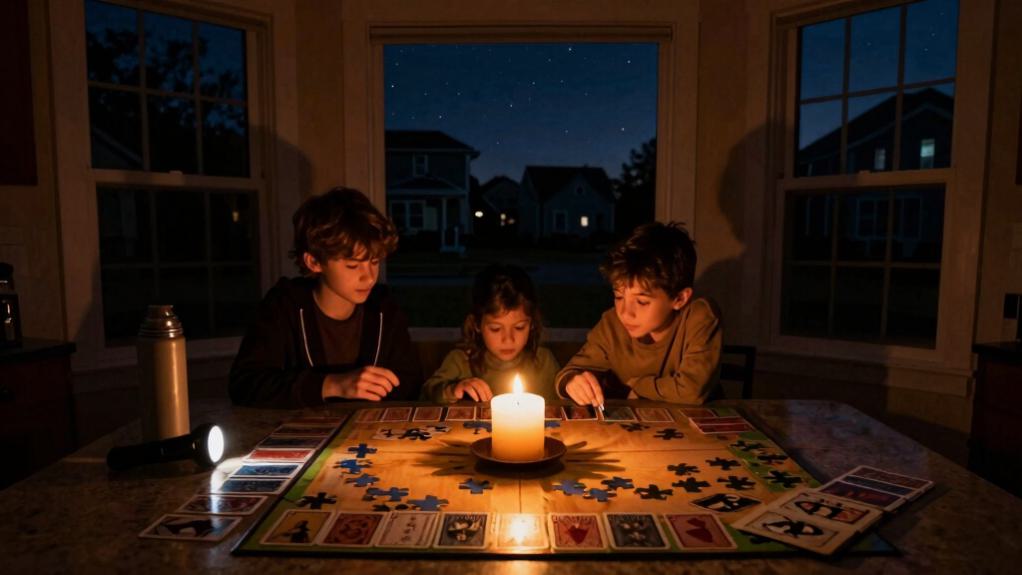
- Card games by lantern light. Keep a deck handy for low-light fun that keeps your mind busy.
- Stargazing. Step outside for a few minutes to see stars the city lights usually hide.
- Gentle stretching or quiet time. Ease tension and get your body ready for sleep if the outage drags on.
Go easy on alcohol and hard activity. You want clear judgment and steady energy. When the games wind down, early sleep is the smart move. A good emergency supply on hand gives you one less thing to think about.
Know when to call for emergency help
| Wait it out | Call 911 now |
|---|---|
| Single home dark; neighbors have power | Downed power lines sparking or humming |
| Flashlights are enough; no immediate risk | Someone needs powered medical devices |
| You have safe light | Signs of carbon monoxide appear |
| You can safely move elsewhere | Extreme heat or cold threatens health |
Do not wait when it counts. Downed lines, a medical emergency, a gas leak, or a fire risk all need an immediate call. Trust your gut. If you are unsure, it is better to call than to let things get worse. Anyone who relies on powered medical devices needs help fast when the power is out, so plan for that ahead of time. Ready.gov recommends going to a location with power if extreme heat or cold makes staying home unsafe rather than waiting it out.
Frequently asked questions
Should I fill my bathtub with water during outages?
Only if you expect a long outage and your water plant might lose power. Think about flood risk first, since an overflowing tub can damage your home. A safer bet is to fill clean containers for drinking and washing. You get the water you need without the hazard. Watch local advisories about water treatment, then decide if filling the tub makes sense for your situation.
Can my smart thermostat work without electricity?
No, not unless you have added a battery backup. Most models run entirely on your home’s power, so you lose heating and cooling control during an outage. If that worries you, a battery backup for the thermostat keeps you comfortable and helps prevent frozen pipes or overheating until the power returns.
Will my security system still function without power?
Only if you have prepared for it. You need a backup battery to keep monitoring active during an outage. Check your panel’s backup status now. Most systems beep when the battery runs low. For real coverage, look at a cellular backup that does not depend on your home Wi-Fi. Test the backup once a month so you are never caught off guard.
Should I unplug my refrigerator during a long outage?
No. Keep it closed to hold the cold for four to six hours. If you have a battery backup or uninterruptible power, connect the fridge to keep food good longer. That protects your groceries and avoids spoilage.
Watch the temperature with a thermometer, and toss anything that sits above 40°F for more than two hours.
Can I use my car to charge phone batteries?
Yes. Plug a USB cable into the car’s power outlet or use a car charger adapter. Run the engine now and then so you do not drain the car battery. Do not lean on this alone during a long outage. A portable solar charger or power station is a steadier option.
Conclusion
You are ready. Keep your flashlight close, your phone charged, and your family together. Stay calm and stay safe. The dark does not last. Trust your prep, check on neighbors if you can, and never take chances with generators or candles. When the lights come back, you will know you handled it well. Rest easy until morning.
Coming soon
The part of being prepared most families never finish
The Family Emergency Binder puts your family's contacts, documents, and plans in one place — a 15-minute quick start tonight, finished over a weekend. Join the list and we'll email you the moment it's ready, at the $19 launch price for a limited time.