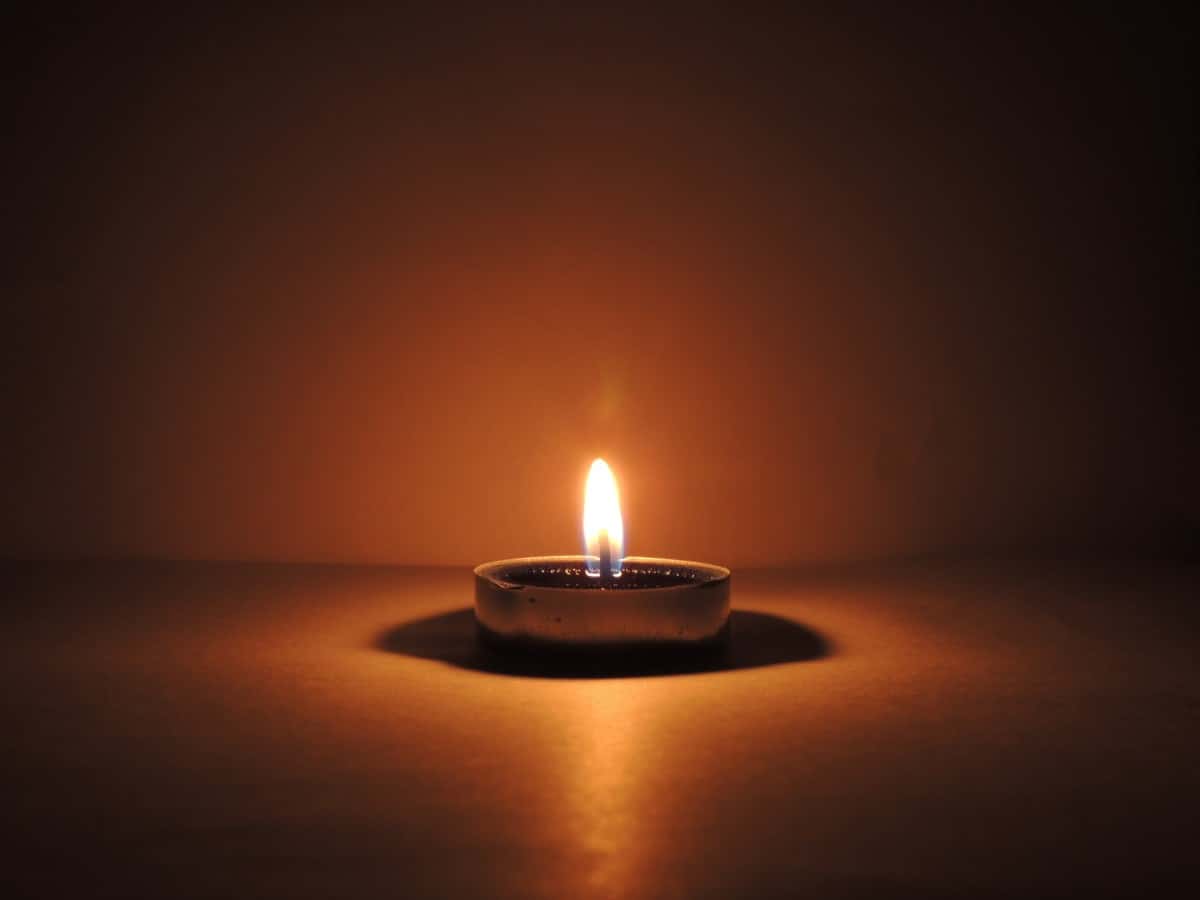
Emergency Candles for Power Outages: Safe Use, Burn Time and What to Use Instead
Federal fire and health agencies say to reach for a flashlight before a candle during a power outage. Here is how to use emergency candles if you keep them, and what works better.
8 min readMr. Heater Buddy vs Big Buddy: Best Propane Heater for Power Outages
The Portable Buddy suits one small room and the Big Buddy suits more space or a hard freeze. Here are the manual figures, the fuel options, and the conditions that sit beside the choice.
15 min readBest Fire Blankets for the Kitchen and Car (and How to Use One)
A fire blanket backs up a pan lid rather than replacing it. How to judge one by its standard and specs, where to mount it, and how to use it safely.
13 min readCan You Run a Generator in the Rain? A Safe Wet-Weather Setup
A generator in the rain needs protection from water, but a cover that traps exhaust creates a worse problem. Here is what the federal agencies say, and a setup checklist built on it.
9 min readHow Often to Replace Smoke Detectors, and Where to Put Them
Smoke alarms are replaced 10 years from the date they were made, which is printed on the back. Here is how to find it, what to replace for each alarm type, and where each alarm belongs.
10 min readKitchen Fire Extinguishers: Which One to Buy and Where to Mount It
A calm look at what federal agencies and NFPA say about kitchen extinguishers: which label to look for, where to mount one, what to do first in a pan fire, and whether a blanket is worth adding.
10 min readLithium vs Alkaline Batteries: Which to Store for Emergencies
Which batteries belong in an emergency kit, single-use lithium or alkaline? A side-by-side of the makers' own numbers, a device-by-device stocking guide, and the EPA's handling and disposal advice.
11 min readWhat Size Generator Do I Need? A Plain Wattage Guide
Size a portable generator by the loads you need to run, not by square footage. Here is how to find your watts, add them up, and know where portable sizing stops.
14 min readCarbon Monoxide Detector Placement: Where to Put Them in Your Home
The fixed part is every level and outside each sleeping area. Height and distance from the furnace vary by maker, so this page shows what each manual says.
12 min readDo Fire Extinguishers Expire? What to Check and When to Replace
Household fire extinguishers usually carry a manufacture date and a pressure gauge instead of an expiry stamp. Here is how to read both and what the makers and NFPA say about when to replace one.
13 min readIs the Mr. Heater Buddy Safe Indoors? A Power Outage Heating Guide
The maker says the MH9BX may be used for emergency indoor heating under written conditions. Here are those conditions, what the safety features do, and what the CDC and CPSC say.
11 min read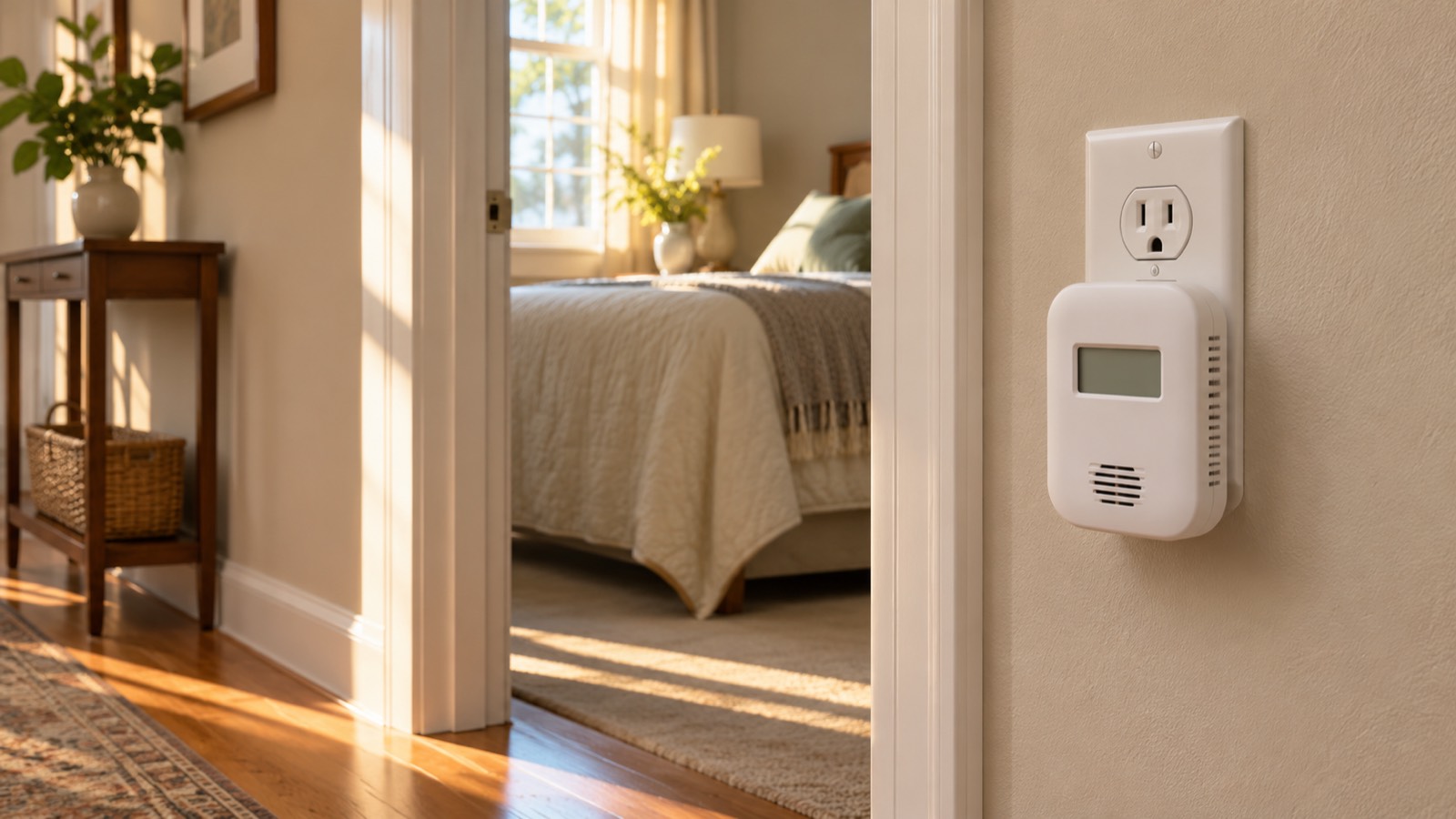
Best Carbon Monoxide Detectors for Your Home
Federal guidance on carbon monoxide detectors, boiled down to what to buy and where to install it, plus four models compared, including a Kidde plug-in, a sealed-battery Kidde and a First Alert smoke and CO combination alarm.
15 min read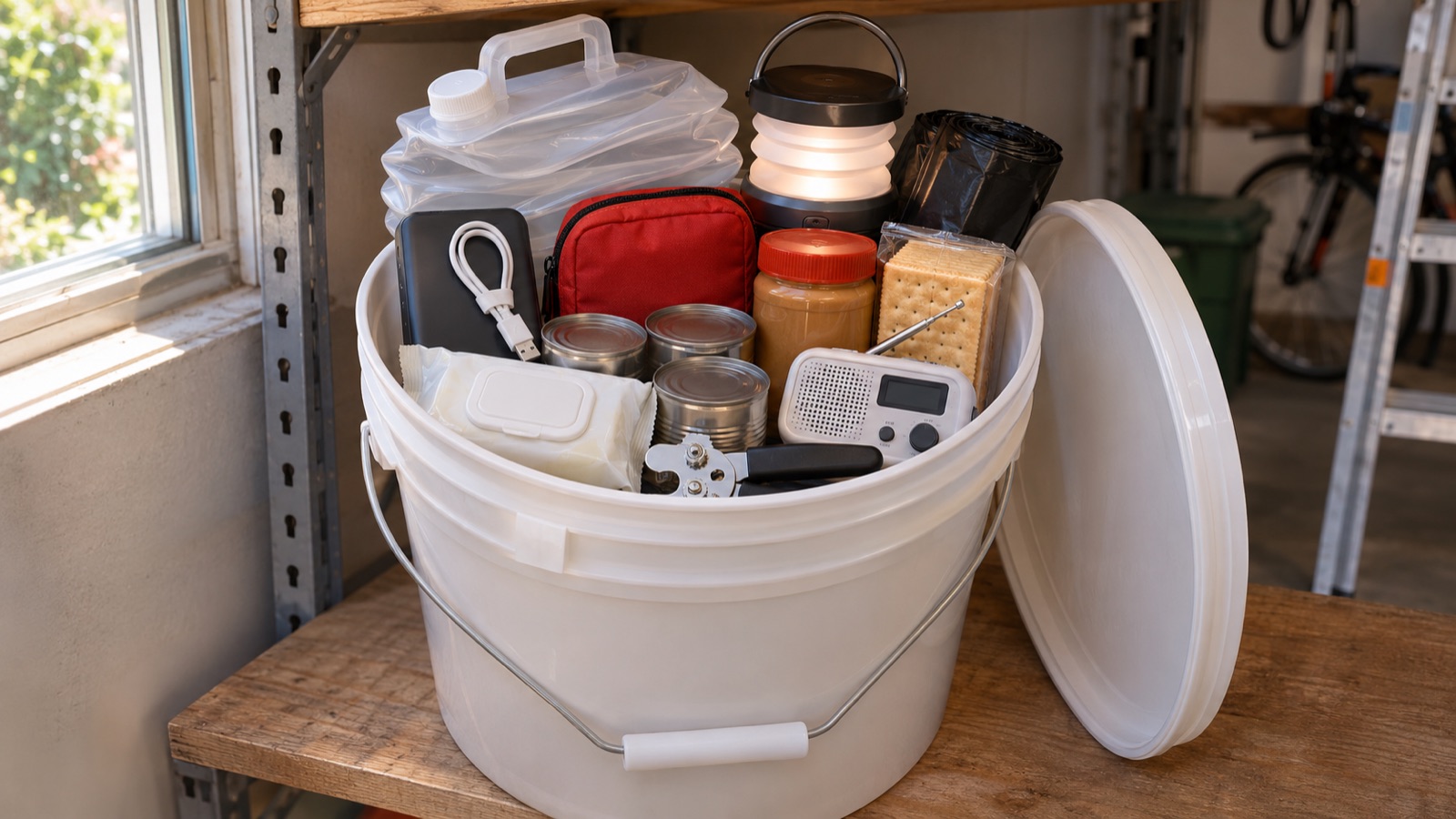
Power Outage Kit: What to Put in One 5-Gallon Bucket
One labeled bucket with the basics for getting through an outage at home, plus fridge and thermometer guidance, built from Ready.gov, FoodSafety.gov, EPA and CDC sources.
18 min read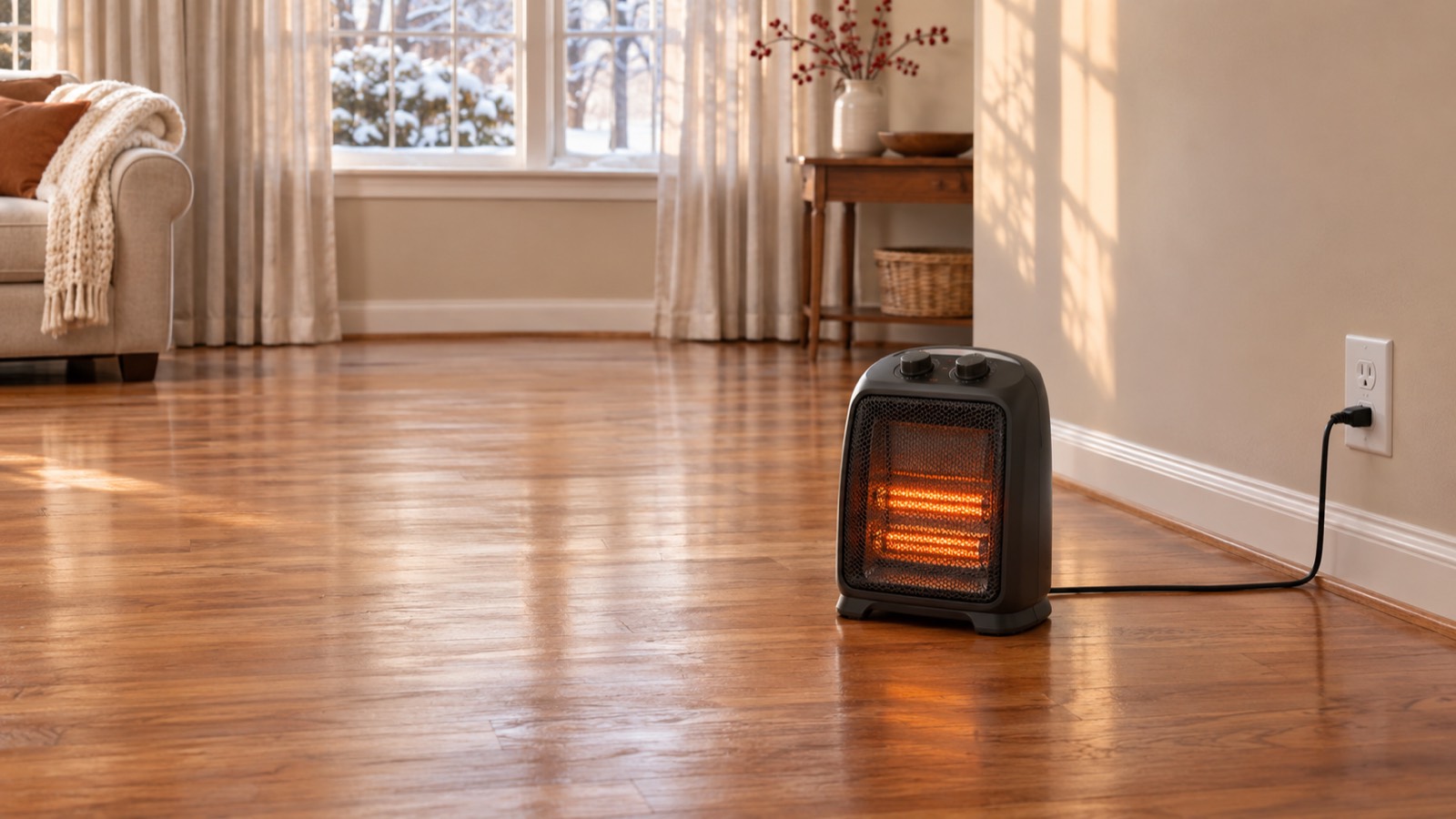
Space Heater Safety for Cold Snaps and Power Outages
Most space heater fires come down to a few habits. Here is what federal agencies say about distance, outlets, cords, and leaving a heater on.
10 min readDo Batteries Expire? How to Store Them for an Outage
Batteries do expire, but slowly. Here is what the makers claim for shelf life, how to store spares, and what Ready.gov and the EPA say about keeping them safe.
10 min read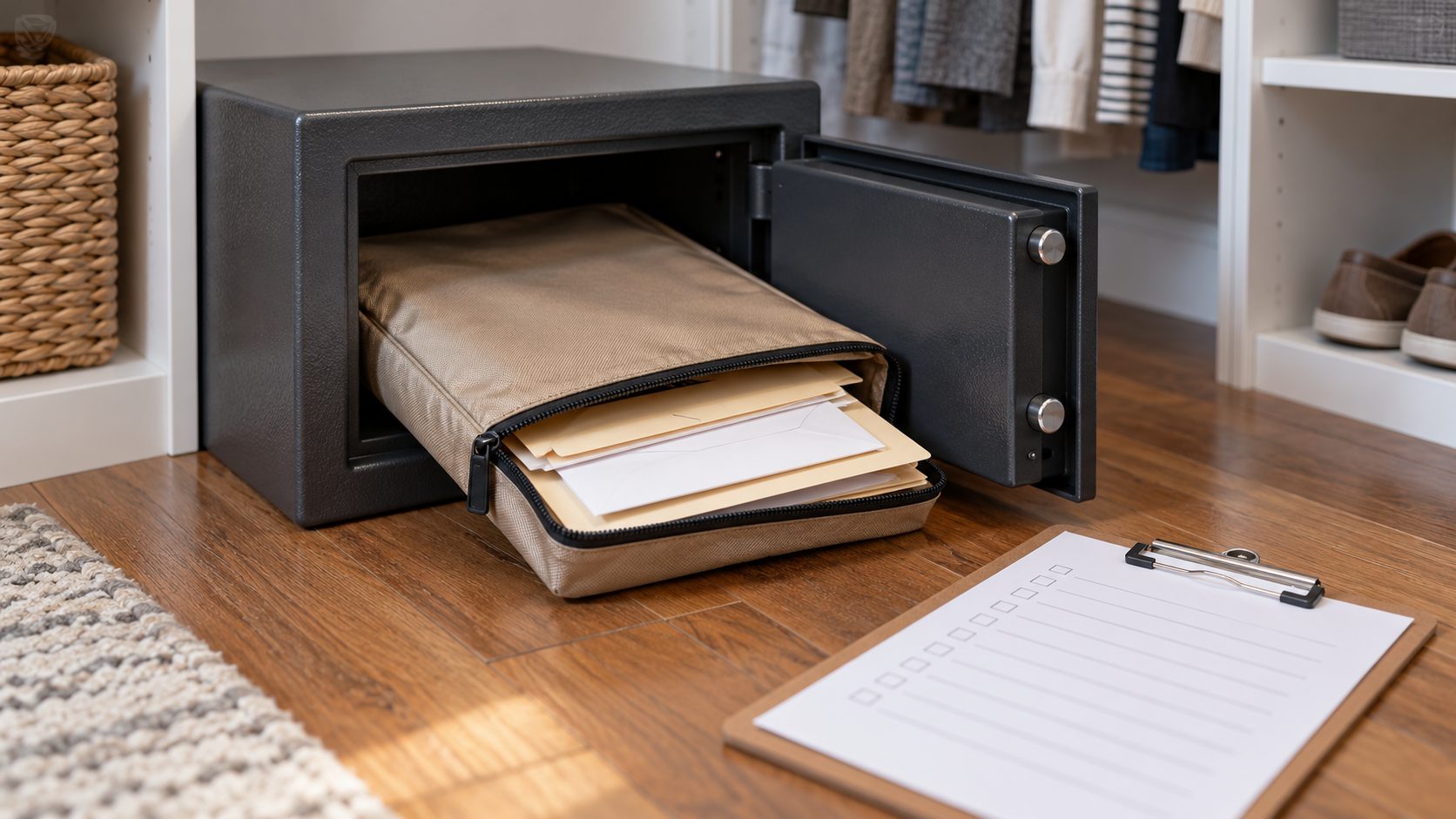
Fireproof Document Bag vs Home Safe: Which One Actually Protects Your Papers?
A fireproof document bag is cheap and portable but built for brief heat. A UL-classified safe is rated for a set time and temperature. Here is how to choose, with a free printable for what goes in the bag and where your other copies live.
16 min read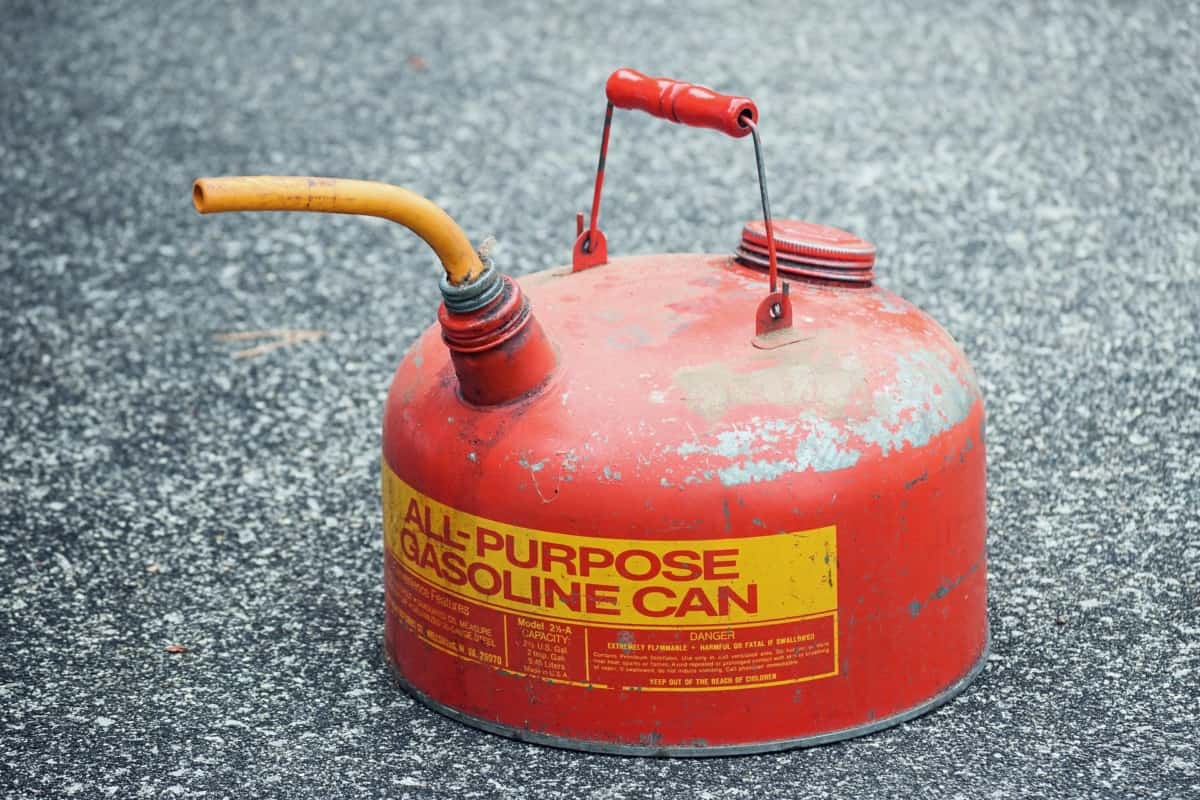
How Long Does Gasoline Last? How to Store Fuel for Emergencies
How long gasoline lasts according to the U.S. Department of Energy, where fire and safety agencies say to keep fuel at home, and what no federal page tells you about diesel, kerosene and propane.
9 min read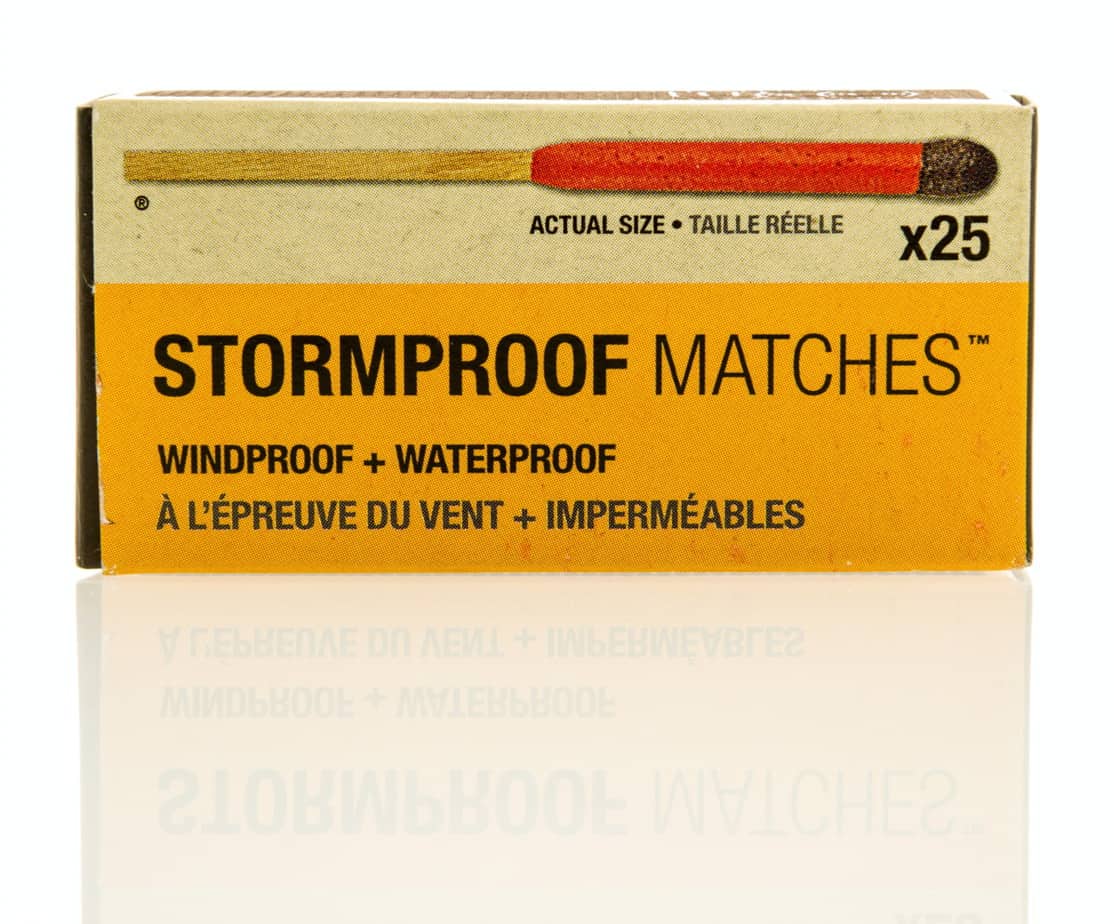
4 Reasons You Need Stormproof Matches
Stormproof matches light in rain and wind and keep burning when a regular match or a cold lighter would quit.
7 min read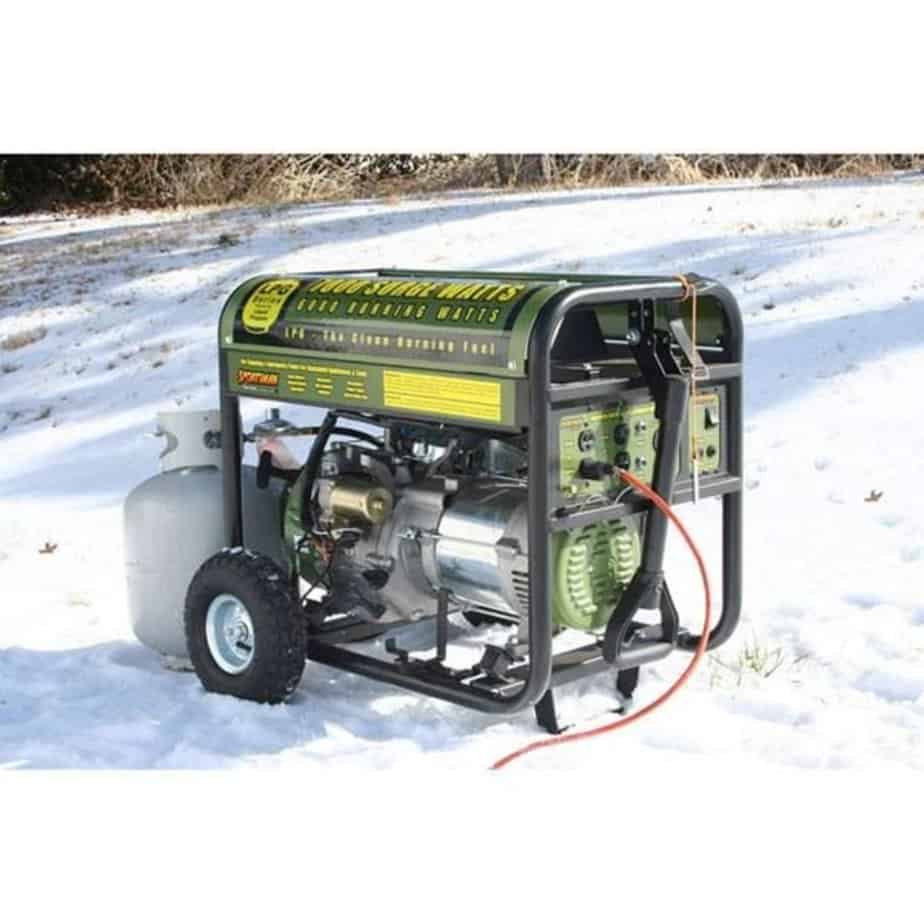
Do Propane Generators Work In Cold Weather?
Propane generators handle cold well, but vaporization and regulator issues can slow one down long before it actually quits. Here is what helps and what to skip.
7 min read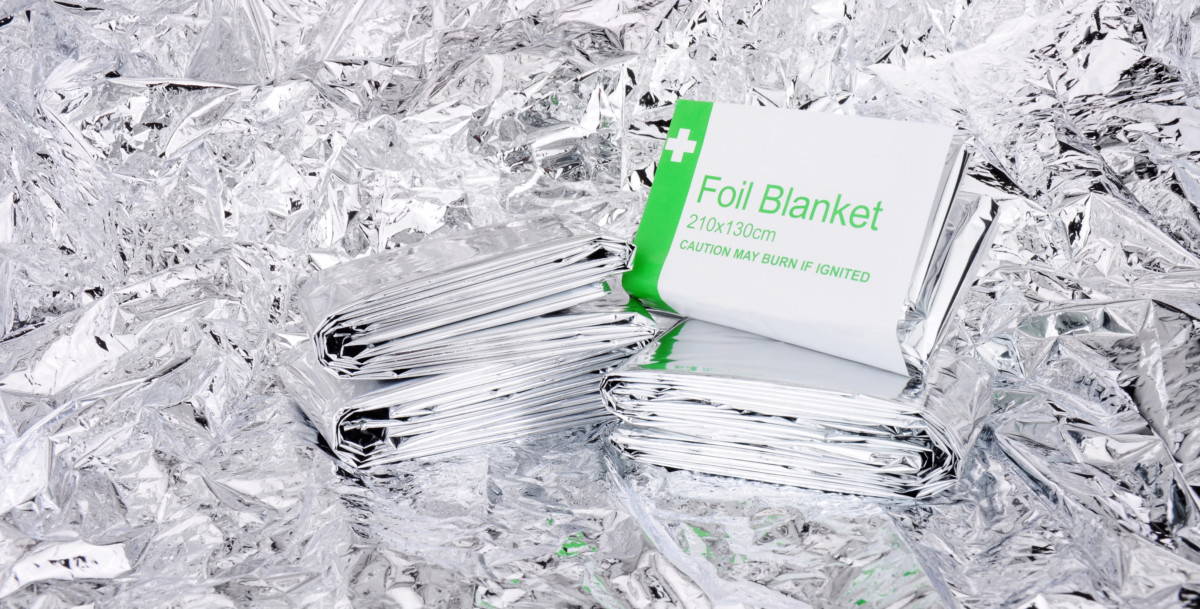
Do Emergency Blankets Expire? Storage, Waterproofing and What to Check
We found no official expiration date for foil emergency blankets, and two retailer listings disagree. Here is how to store one, check it, and read the maker claims.
10 min read