Emergencies & Disasters
Best Ways to Keep Food Cold During a Long Power Outage
We may earn a commission if you buy through our links, at no extra cost to you. We don't test every product ourselves. We read and weigh real buyer reviews to give a fair, balanced picture. How we research.
In this guide
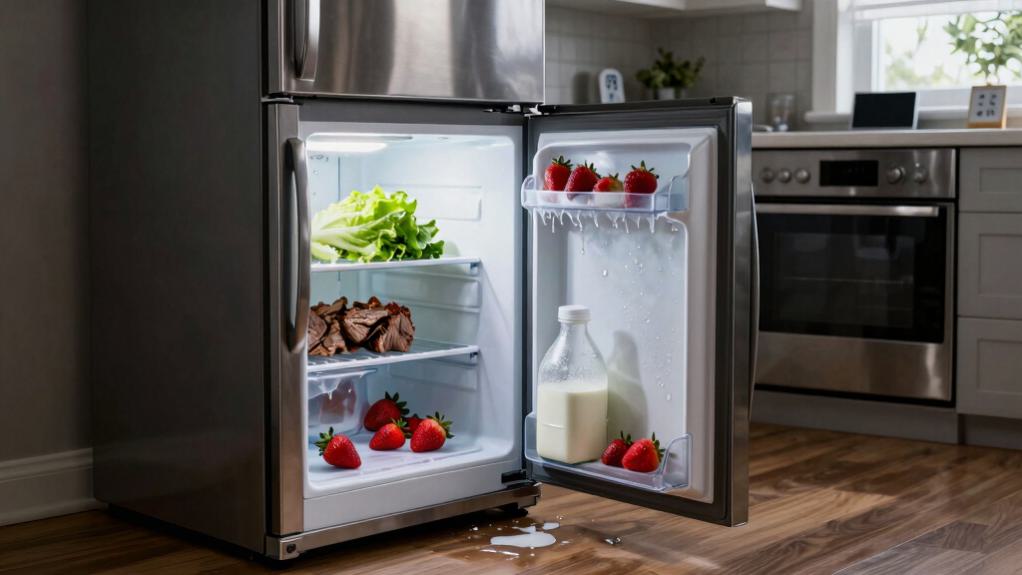
A closed full freezer keeps food safe for about 48 hours. A closed fridge keeps food safe for about 4 hours. Those numbers are your whole plan: prep before the power goes out, keep the doors shut, and add ice to stretch the cold. Here is how to do each part right.
Prep your fridge and freezer before the lights go out
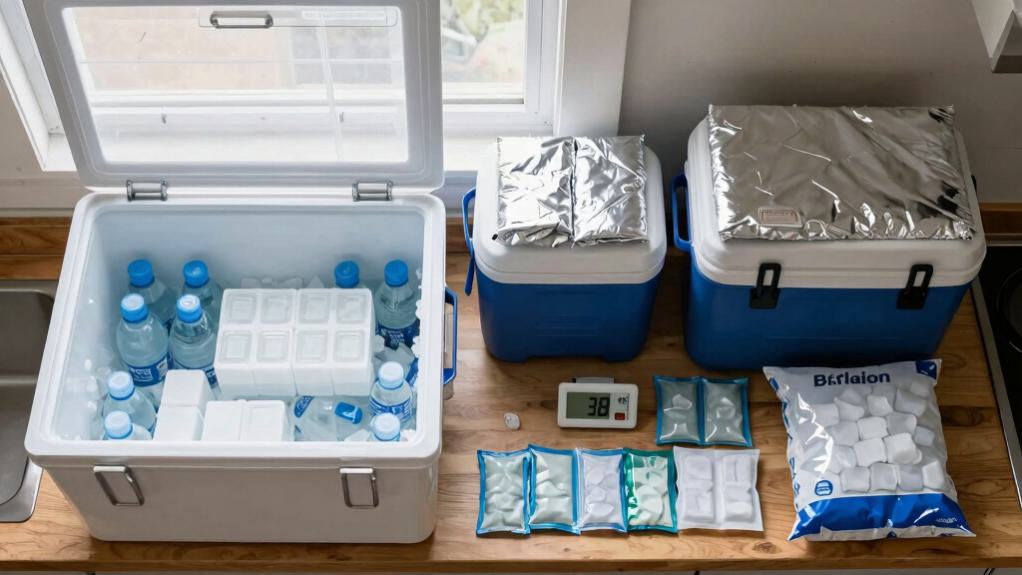
Most of the work happens before an outage. Freeze a few water bottles and keep ice packs ready. Drop them into empty freezer space, because a full freezer stays cold longer than a half-empty one.
Check the door seal. Close a dollar bill in the door and tug it. If it slides out easily, the gasket is worn and cold air is leaking, so replace it. Clean the condenser coils too. Dust on the coils makes the unit work harder and run less efficiently. Here is a battery pack for emergencies if you want backup power on hand.
Last, find your appliance thermometers. You will need them to check temperatures once the power is off. These few steps turn your fridge and freezer into a safe place to hold food during an outage. For the rest of your first-hour checklist, see what to do during a power outage at night.
How long food lasts without power
A full freezer holds its temperature for about 48 hours if you keep the door closed. A half-full freezer lasts about 24 hours. Your fridge stays cold for about 4 hours. Those are the same windows USDA and FDA give on FoodSafety.gov, and their guidance is blunt on one point: never taste food to decide if it is safe.
Newer, well-sealed units hold the cold longer than older ones. If yours is old, plan for the shorter end of those windows.
Keep the doors shut. Every time you open them, the temperature drops fast. Put a thermometer inside so you can check without opening up.
Anything perishable that sits above 40°F for more than two hours is not safe. When you are not sure, throw it out. A vacuum sealer helps protect stored food from temperature swings and moisture while the power is out.
Use dry ice and block ice to stretch the cold
When the fridge starts warming, dry ice and block ice buy you more time. You can get dry ice at grocery stores, ice cream shops, or welding supply stores. It holds food at -109°F and lasts three to four times longer than regular ice.
Block ice melts slower than cubes, so it works well in the fridge. Make your own by freezing water in milk jugs, or buy it from an ice supplier.
Here is how to use them:
- Put dry ice on top of frozen items, since cold sinks down
- Wrap block ice in towels so it does not touch the food directly
- Crack the fridge door slightly when using dry ice so pressure does not build up
Never touch dry ice with bare hands. It will burn you on contact.
Move food to coolers and other cold storage
Once the fridge starts warming, move the food fast. Pack it into well-insulated coolers and pack the items tightly, because cold food keeps other cold food cold. Put frozen goods at the bottom and refrigerated items on top.
Look around the house for cooler spots. A basement, root cellar, or insulated garage usually stays cooler than the upper floors. Even a cool closet out of the sun works for a while. If a neighbor has a working freezer, that is another option. If cooking without power is next on your list, our guide on how to cook when the power is out covers safe ways to still get a hot meal.
Chest freezers hold the cold better than upright ones, so keep the lid shut. Check temperatures with your thermometers to confirm you are staying below 40°F. Good cooler gear makes it easier to move food and keep it cold while you sort out storage.
When to keep food and when to throw it out
While you are working to keep things cold, you also have to decide what is still safe to eat. The threshold is simple: cold and time.
Here is what to remember:
- When in doubt, throw it out. No exceptions for questionable items.
- Check temperatures, not textures. Bacteria grows before food looks or smells off.
- Track the time. Refrigerated food stays safe only about 4 hours without power.
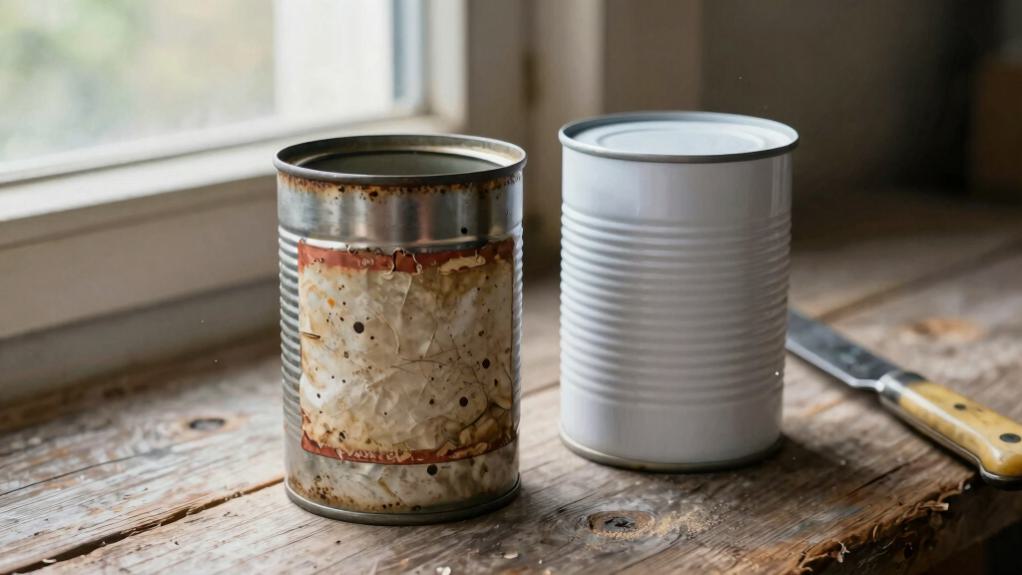
Your fridge should stay below 40°F, so use a thermometer to confirm it. Meat, poultry, fish, and dairy that sit above that for more than two hours are not worth the risk, a threshold Ready.gov also uses in its own power outage guidance. Do not taste-test suspicious food, because contamination is not always something you can see. A good call now saves you a bad illness later. Canned goods play by different rules; see how long canned food actually lasts once the date on the label has passed.
Frequently asked questions
How do solar generators power refrigeration during outages?
You connect a solar generator to your fridge through an inverter, which converts DC power to AC. The generator charges batteries that keep the fridge running.
You can stretch the charge by pre-chilling items and using salt ice, which is frozen saltwater that stays colder longer than regular ice. That cuts down how hard the unit has to work.
Point the panels at the sun and watch your battery level so the cooling does not stop.
Can salt ice stay cold longer than regular ice?
Yes. Frozen salt water makes a colder, denser ice that melts slower than plain ice. You get temperatures around 0°F instead of 32°F, which keeps food safe longer. Mix three parts water with one part salt, freeze it, and use it during the outage.
What is the safest way to store medications without power?
Store temperature-sensitive drugs in a cooler with ice packs, not sitting directly on ice.
Check your pharmacy’s storage guidelines. Some medications handle brief warming and others do not. Insulin and certain antibiotics need steady cold, while others just need a dry, cool spot.
Watch the temperature with a thermometer. When you are not sure, call your pharmacist for safe storage options.
How do you keep pet food cold during emergencies?
Store wet food in a cooler with ice packs, and keep dry food in airtight containers.
Do not open the fridge more than you need to. Move the portions you will use soon into insulated bags.
For raw diets, use frozen water bottles as ice blocks. Check temperatures often and toss anything that sits above 40°F for more than two hours.
Does burying food underground help keep it cold?
Yes, burying food can work for cold storage. Dig a hole at least three feet deep, where the soil stays cooler. Put the food in sealed, waterproof containers before you lower them in. Cover with dirt and mark the spot. This can keep perishables safe for days. Check the soil temperature first, since you need ground that stays consistently cool.
Conclusion
You can handle this. Prep early, keep the doors shut, and watch the temperatures. Dry ice and coolers buy you time, but do not gamble with spoiled food. When in doubt, toss it out.
Coming soon
The part of being prepared most families never finish
The Family Emergency Binder puts your family's contacts, documents, and plans in one place — a 15-minute quick start tonight, finished over a weekend. Join the list and we'll email you the moment it's ready, at the $19 launch price for a limited time.