Brownout vs Blackout: What Each One Means and What to Do
A plain-language look at brownouts, blackouts and controlled outages, where each sits on ERCOT's alert ladder, how to tell whether the problem is the grid or your house, and what to unplug.
10 min readHow Cold Is Too Cold for Cats? Indoor, Outdoor and Community Cats
You want a number for the thermometer. Here is what veterinary and humane groups say about cats and cold, what they leave out, and what to do for indoor, outdoor and community cats.
10 min readHow Cold Is Too Cold for Dogs? A Plain Temperature Guide
You are standing at the back door with a thermometer reading and a dog who needs out. Here is what named veterinary sources say about cold, what they leave out, and how to decide for your own dog.
10 min readHow Long Does a Power Outage Last? What to Plan For
The lights are out and you want a number. Nobody can honestly give you one for your street, but federal data, utility pages and Ready.gov show what to check and how to plan.
10 min readHow to Put Out a Grease Fire (and What Never to Do)
The steps fire agencies give for a pan of burning grease, the reason behind each one, the point where you stop and leave, and which popular tips have no agency behind them.
10 min readWhat Temperature Do Pipes Freeze? The 32°F Answer and the 20°F Warning
Water freezes at 32°F, but house pipes usually hold until it is colder outside. The 20°F alert threshold, where it comes from, and when dripping a faucet makes sense.
9 min readHow to Prepare for an Ice Storm: What Is Different From Snow
Freezing rain brings down trees and power lines, so the plan for an ice storm centers on a long outage and staying home. Here is what changes from a snowstorm plan.
10 min readHow to Stay Cool Without Power: What Federal Guidance Says
A hot house with no air conditioning needs a plan. Here is what CDC, Ready.gov, the National Weather Service and an electrical safety nonprofit say about fans, heat illness, cooling centers, medicines and checking on neighbors.
10 min readHow to Thaw Frozen Pipes Safely
Open the faucet, warm the pipe slowly, never use a flame, and know when to stop and call a plumber. The official wording, in the order you need it.
12 min readWinter Storm Watch vs Warning vs Advisory: What Each Alert Means and What to Do
The National Weather Service's own words on winter watches, warnings and advisories, why the same alert means different snow totals in different places, and what to do at each level.
12 min readWinterize Your Home: A 15-Step Checklist Before the First Freeze
Fifteen steps to get a house ready for freezing weather, each one traced to a federal agency with the official wording quoted, plus what to do when a freeze is forecast.
17 min readHoliday Fire Safety: Christmas Tree, Candles and Cooking
The holiday fire rules from federal agencies on one page, in the order the season arrives: Thanksgiving cooking, then the tree and lights, then candles.
12 min readWind Chill Chart: When Cold Becomes Dangerous
A full copy of the National Weather Service wind chill chart as a readable table, with frostbite bands, the formula, what the chart leaves out, what NWS cold alerts mean, and the CDC signs of frostbite and hypothermia.
14 min readCarbon Monoxide Alarm Beeping: What It Means and What to Do
If your carbon monoxide alarm is sounding its alarm pattern, leave and call 911 from outside. This page covers what chirps mean, what to do when the alarm stops, and how to be ready next time.
11 min read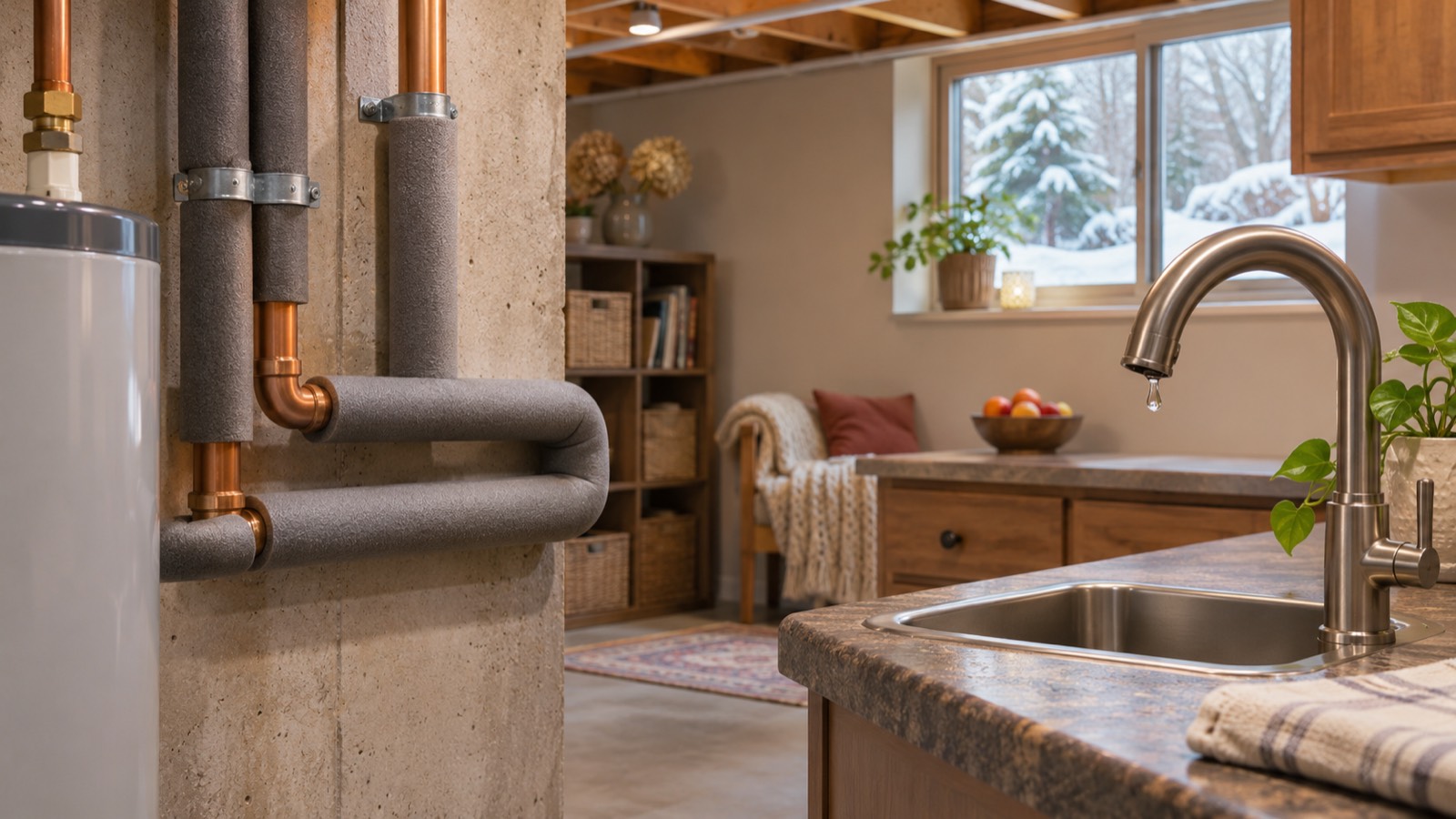
How to Prevent Frozen Pipes (and What to Do If They Freeze)
The steps that keep water pipes from freezing, the safe way to thaw one that has, and what to do the moment a pipe bursts, with the official wording quoted.
13 min read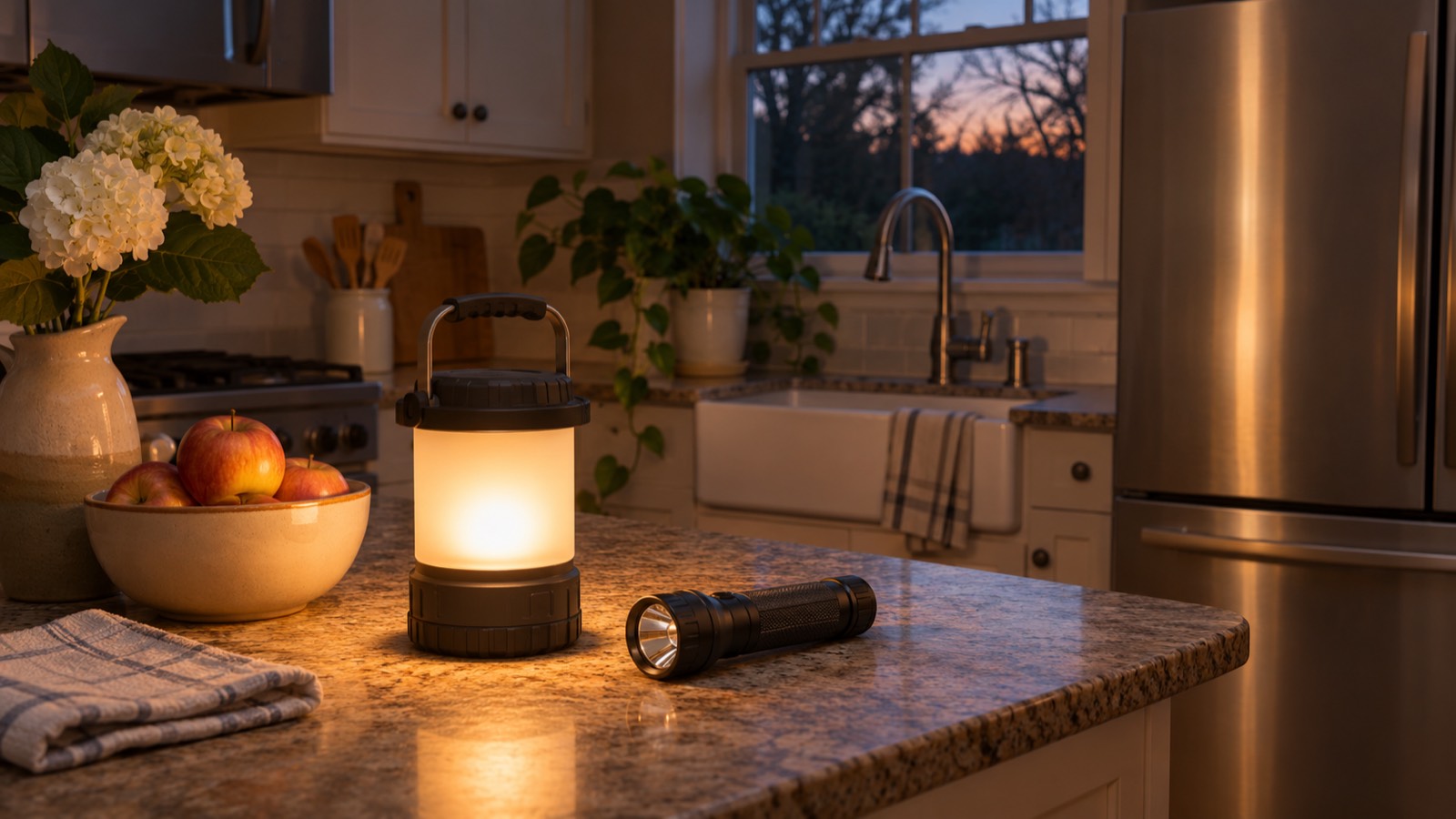
What to Do When the Power Goes Out: The First Hour
What to do right after the lights go out, in order, using Ready.gov and CDC guidance. Light, food, carbon monoxide, medicines and staying in touch.
12 min read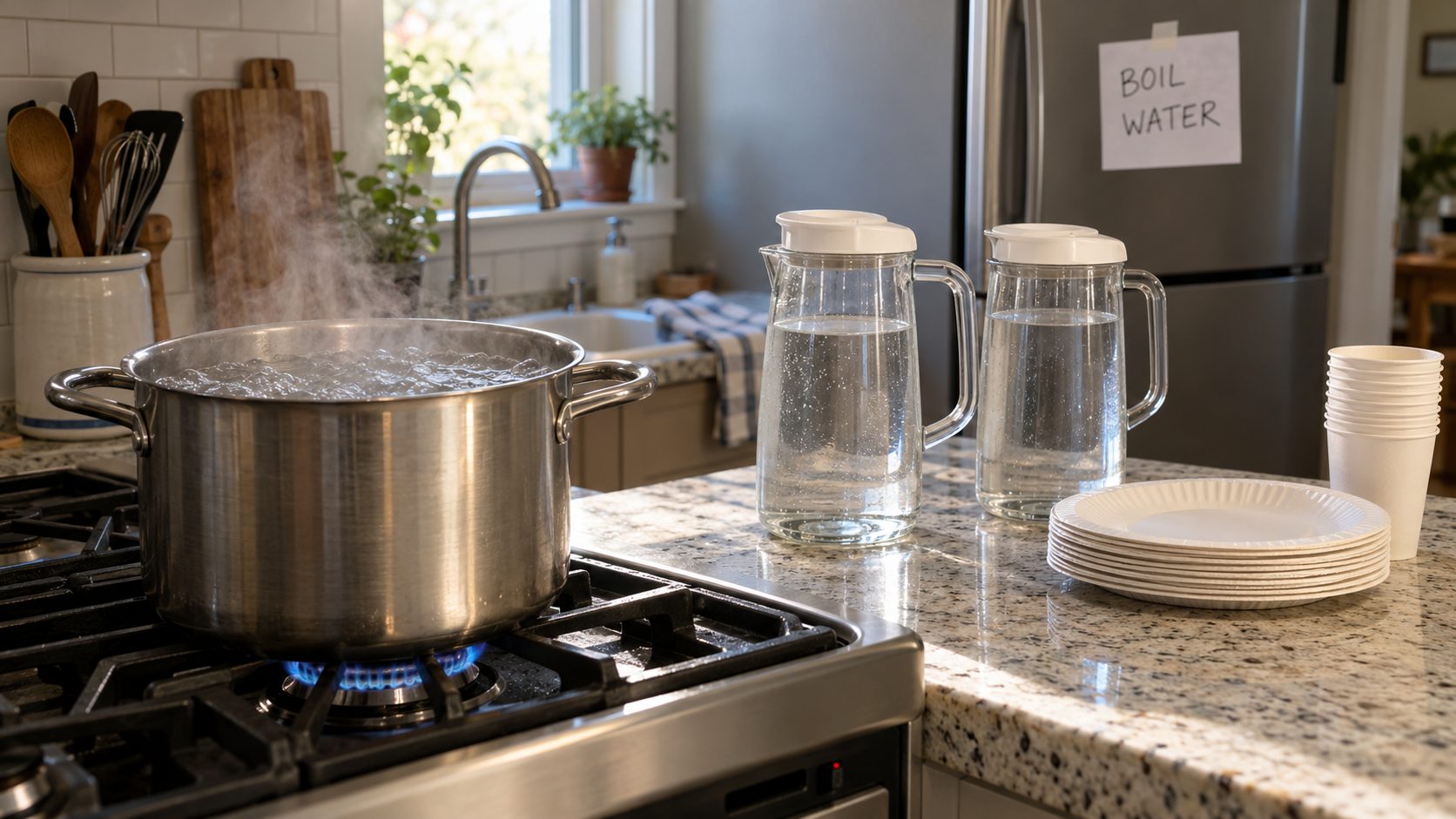
Boil Water Notice: What to Do, What's Safe, and a Free Fridge Card
What to boil, what tap water is still fine for, the flush checklist to run when the boil water notice ends, and a free two-page printable with a fridge card for the whole house.
17 min read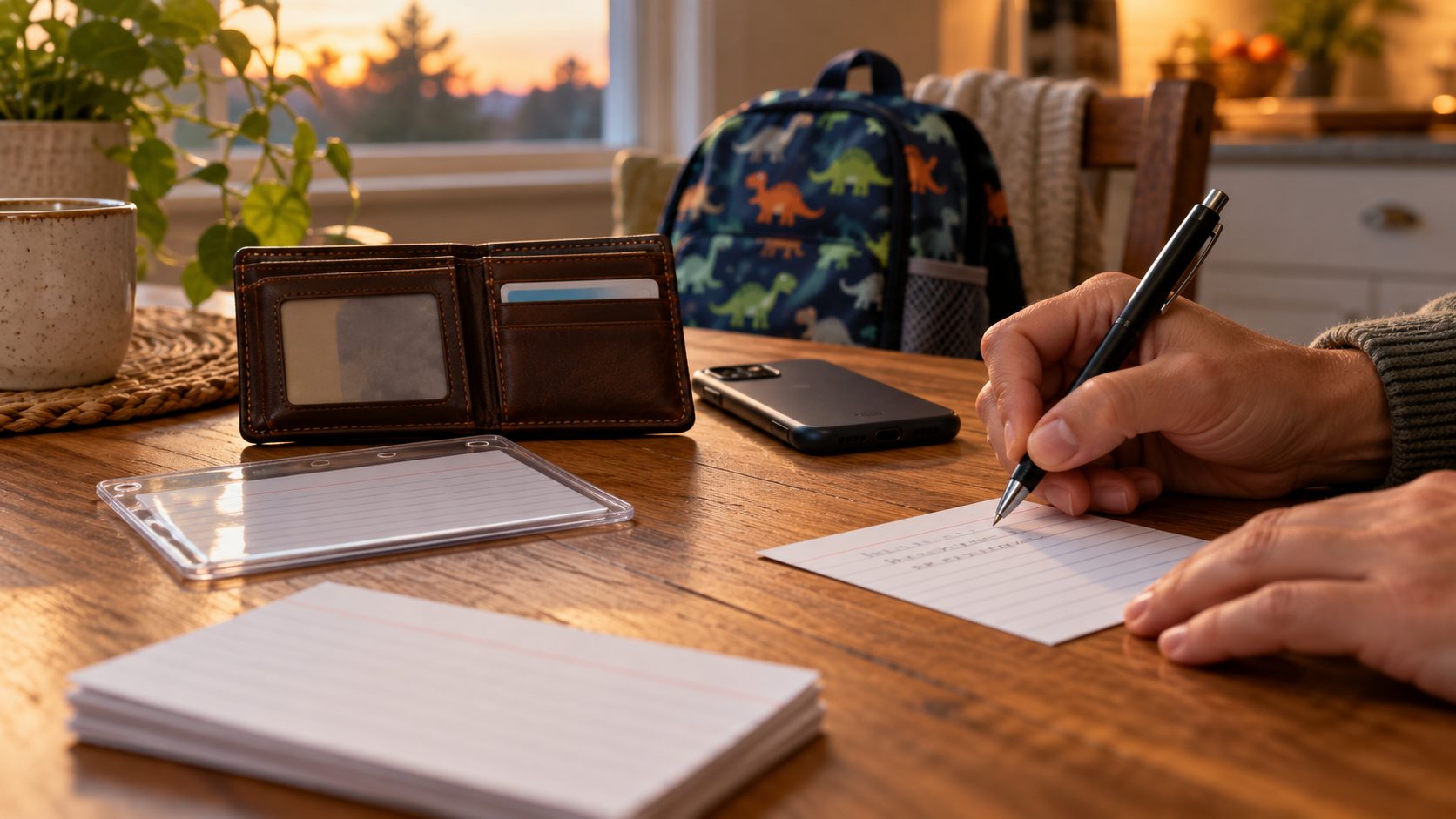
Emergency Contact Card: What to Put on It (Free Printable)
The short list of what belongs on an emergency contact card, the numbers we leave off and why, and a free two-page printable: two fold-over wallet cards, a kids card, and a household contact sheet for the fridge or kit.
16 min read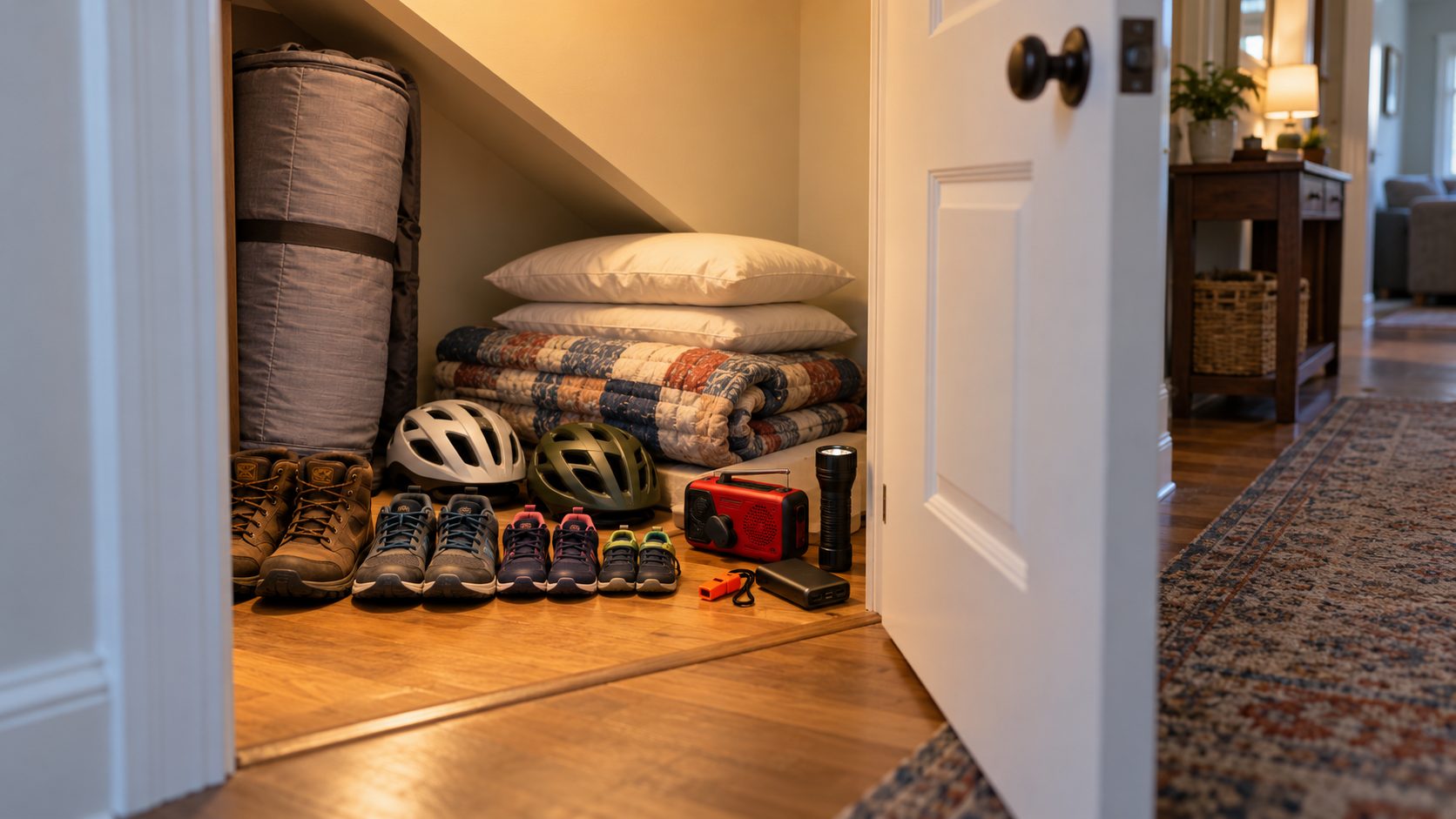
How to Prepare for a Tornado
Pick a tornado shelter spot for your kind of home, set up two indoor alerts, stage a small kit, and learn what a watch, a warning and a tornado emergency each mean.
21 min read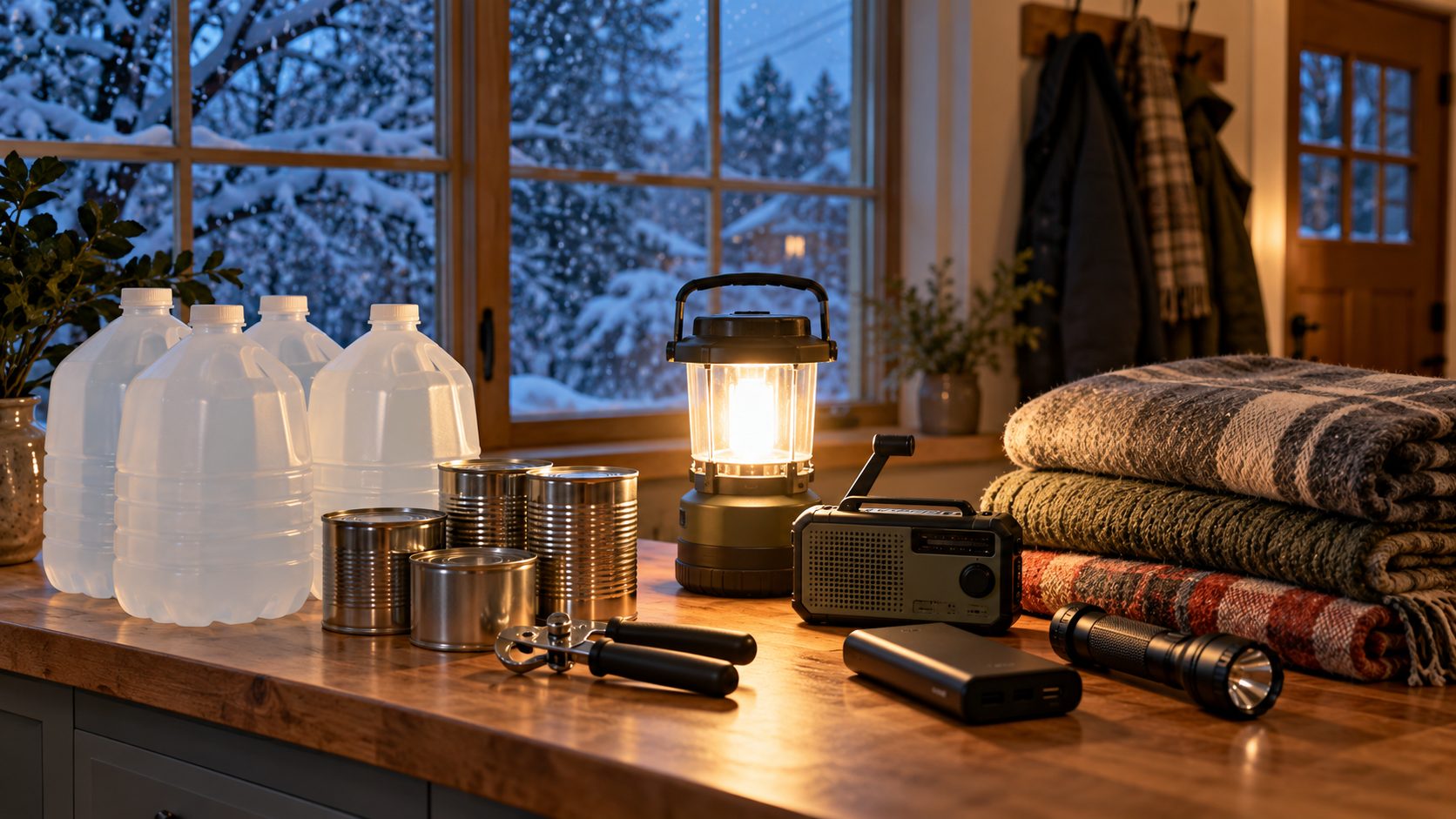
How to Prepare for a Winter Storm (Free Printable Checklist)
Winter storm prep works best in three windows. Here's what to do before the season, when a watch is issued, and when the warning comes, with water math, the gear test most lists skip, and a free two-page printable checklist.
23 min read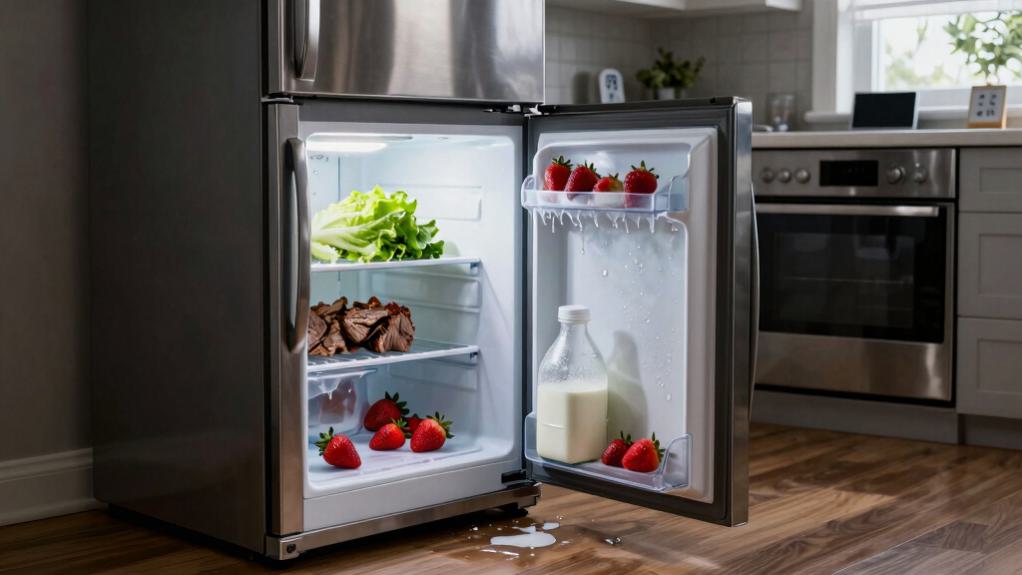
How Long Does Food Last in the Fridge Without Power?
A closed fridge lasts about 4 hours without power, a full freezer about 48. Here's how to decide what's still safe to eat.
6 min read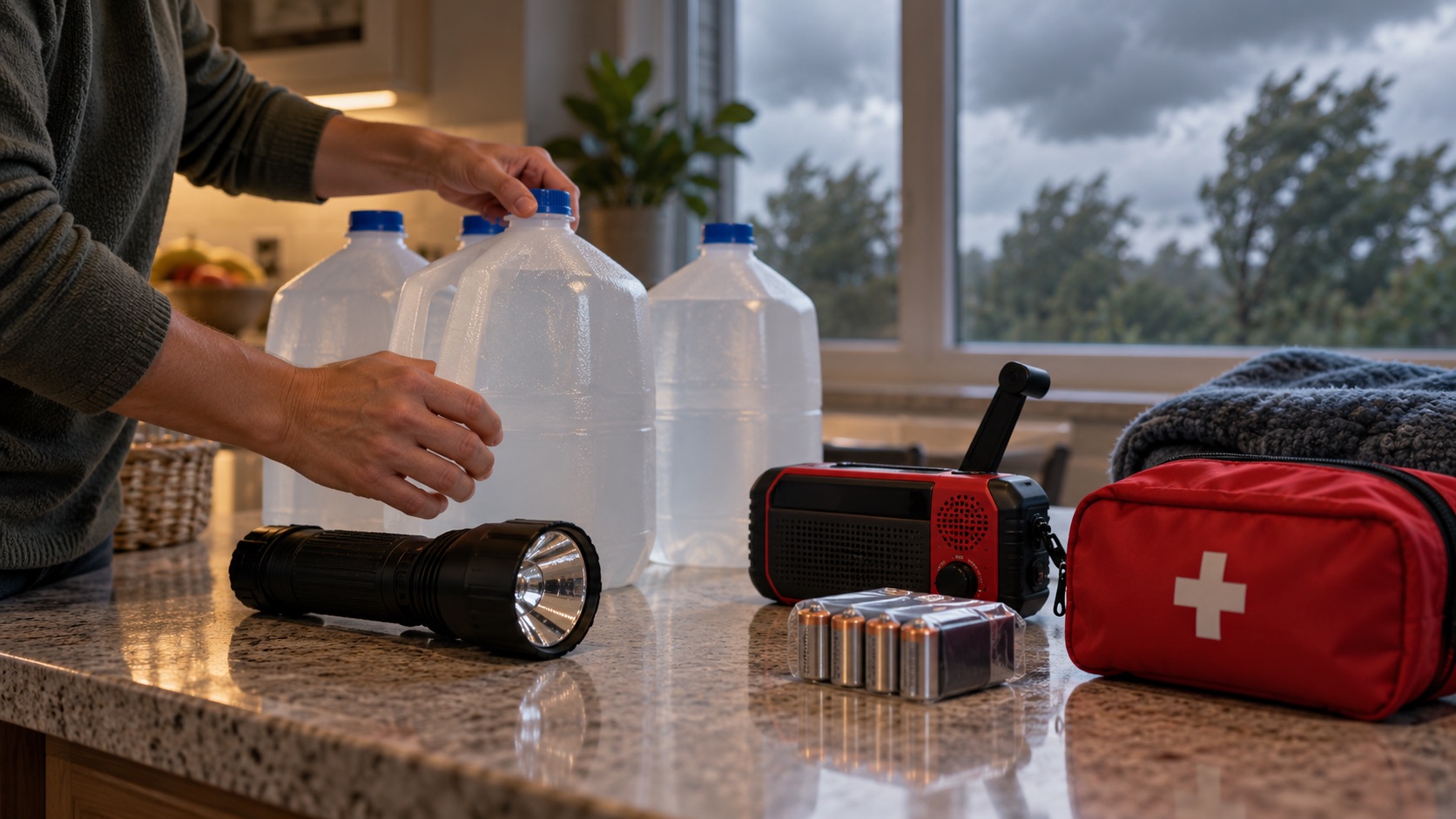
How to Prepare for a Hurricane: A Timeline That Starts Now
Hurricane prep works better as a timeline than a checklist. Here's exactly what to do before the season, at the watch, at the warning, and after the storm passes.
10 min read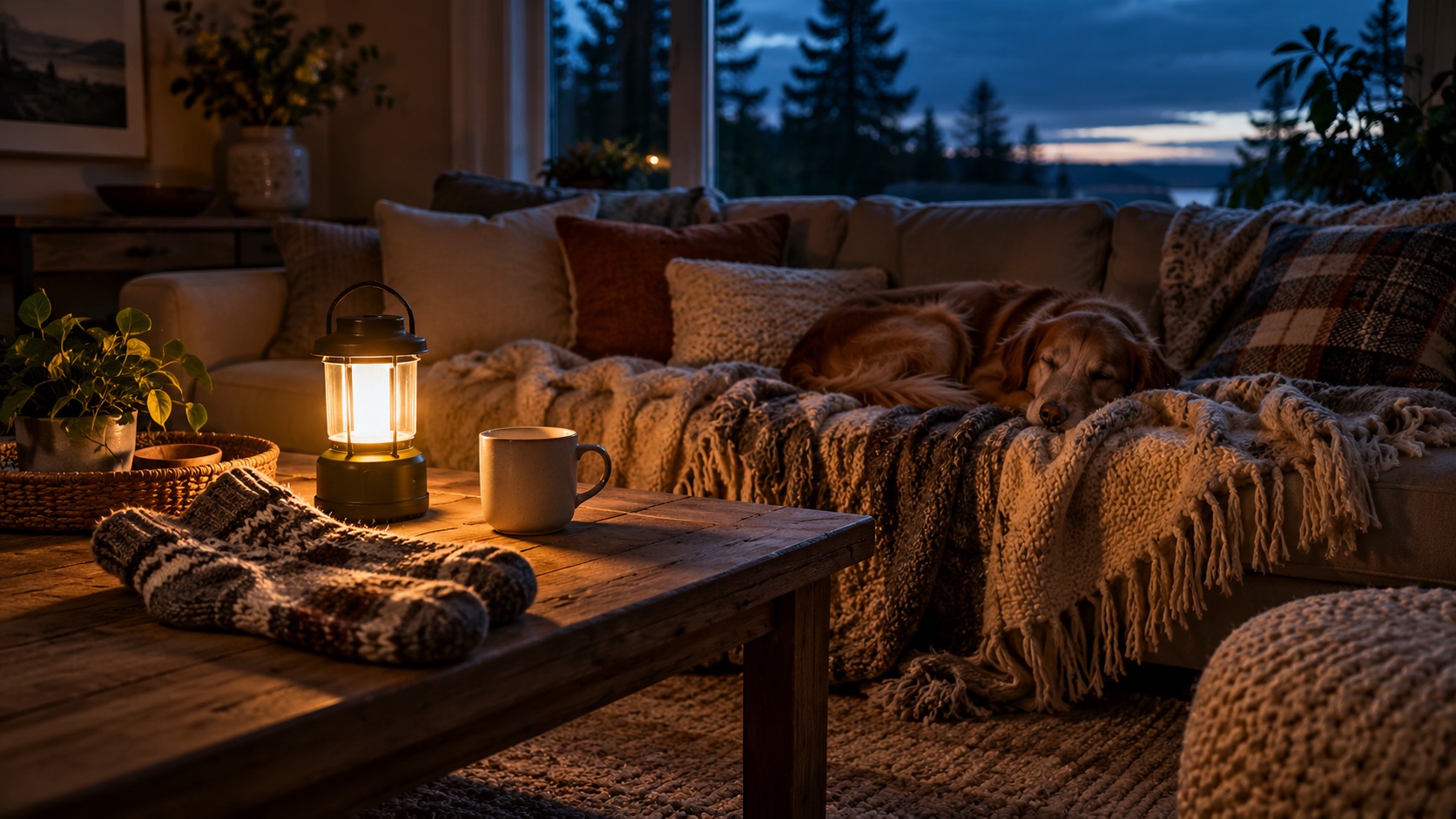
How to Stay Warm Without Power: What to Do Tonight
When the power goes out in a winter storm, the plan isn't to heat the house. It's to close off one room, choose safe heat, and watch for carbon monoxide.
9 min read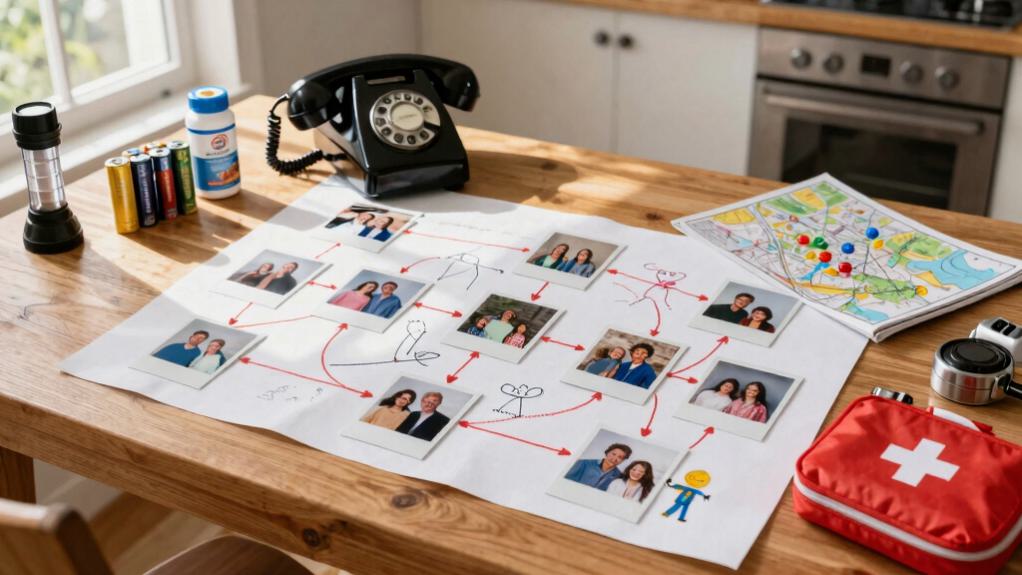
How to Set Up a Family Emergency Communication Plan
Spend 30 minutes as a family to set meeting spots, an out-of-state contact, and backup contact cards, plus a plan for staying in touch if cell service drops entirely.
10 min read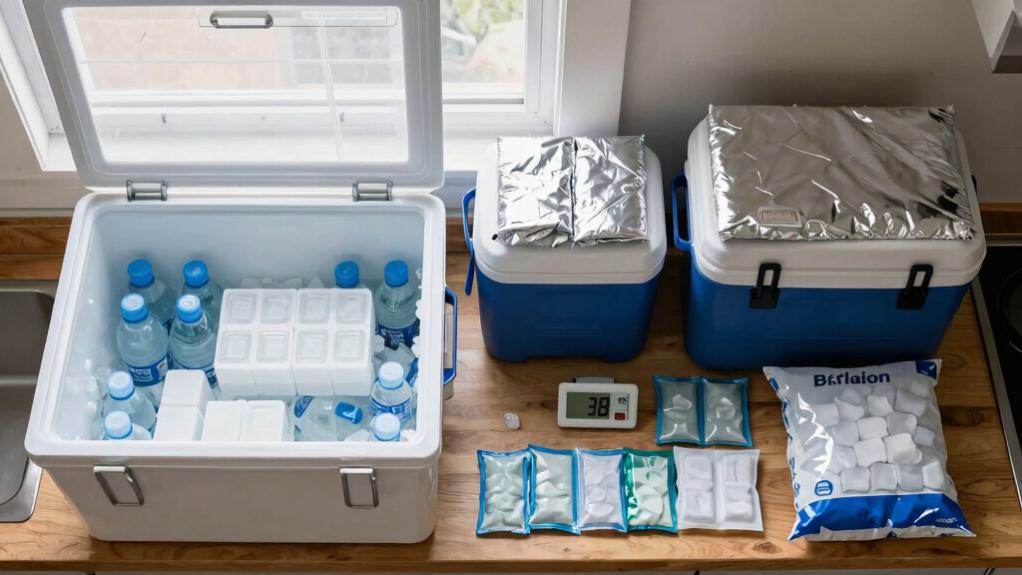
How to Keep Food Cold During a Long Power Outage
A step-by-step order of operations for a long outage, built from what the CDC, Ready.gov, USDA and FDA say about doors, thermometers, coolers, ice and when to throw food out.
13 min read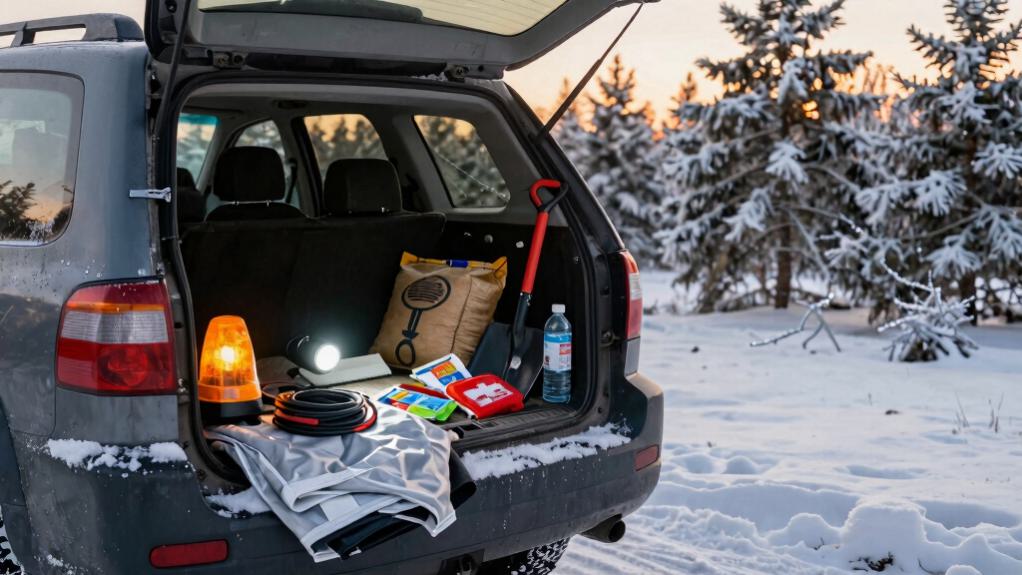
What to Pack in a Car Emergency Kit for Winter Driving
A simple winter car kit, plus where to keep it so you can grab what you need fast if you get stuck.
8 min read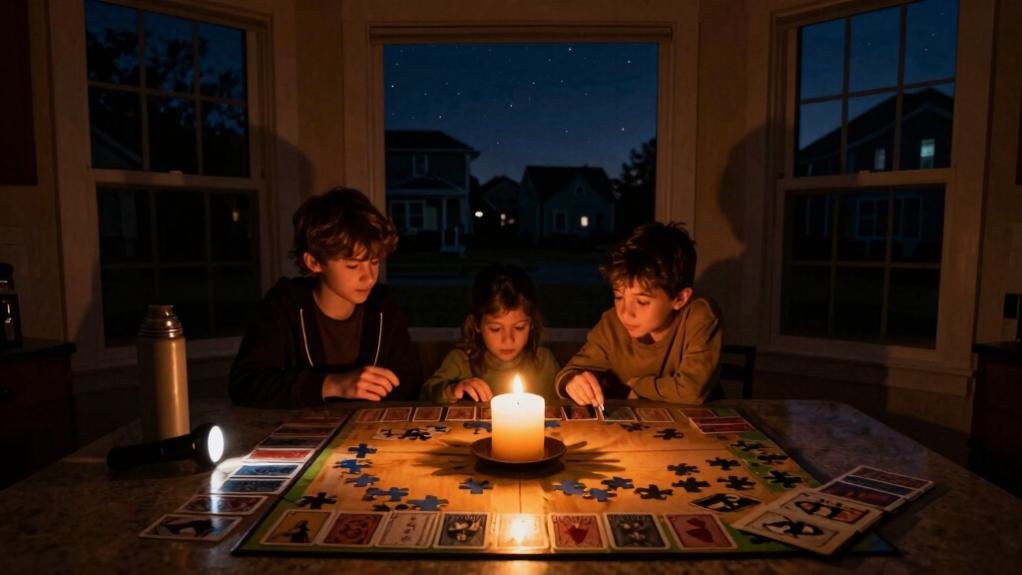
What to Do During a Power Outage at Night
A calm, step-by-step plan for the first minutes of a nighttime power outage, from securing your home to keeping food cold and lighting up safely.
11 min read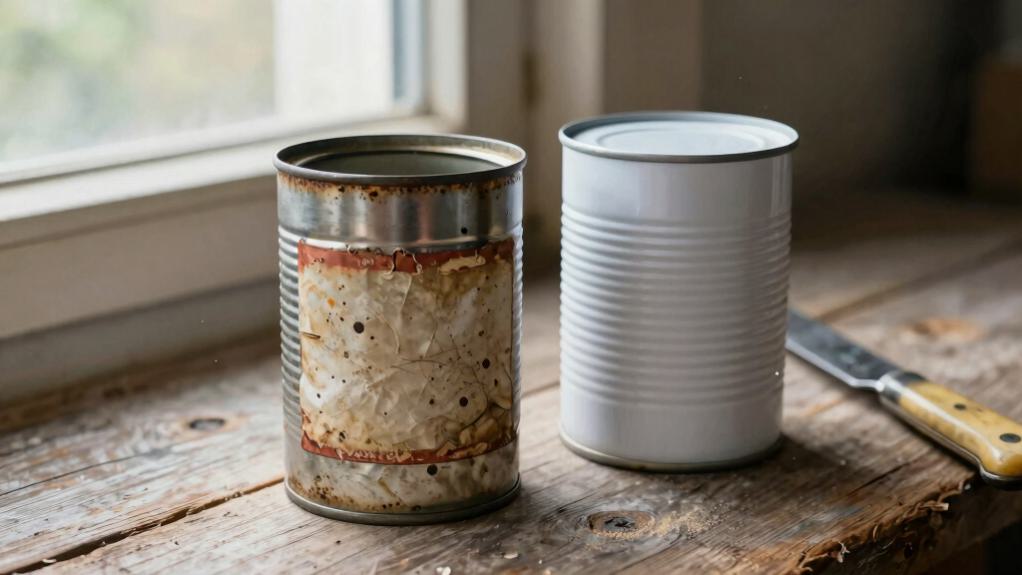
How Long Does Canned Food Last After the Expiration Date?
On most shelf-stable cans the date tells you about quality, not safety, and most cans stay good for years if you store and check them right.
8 min read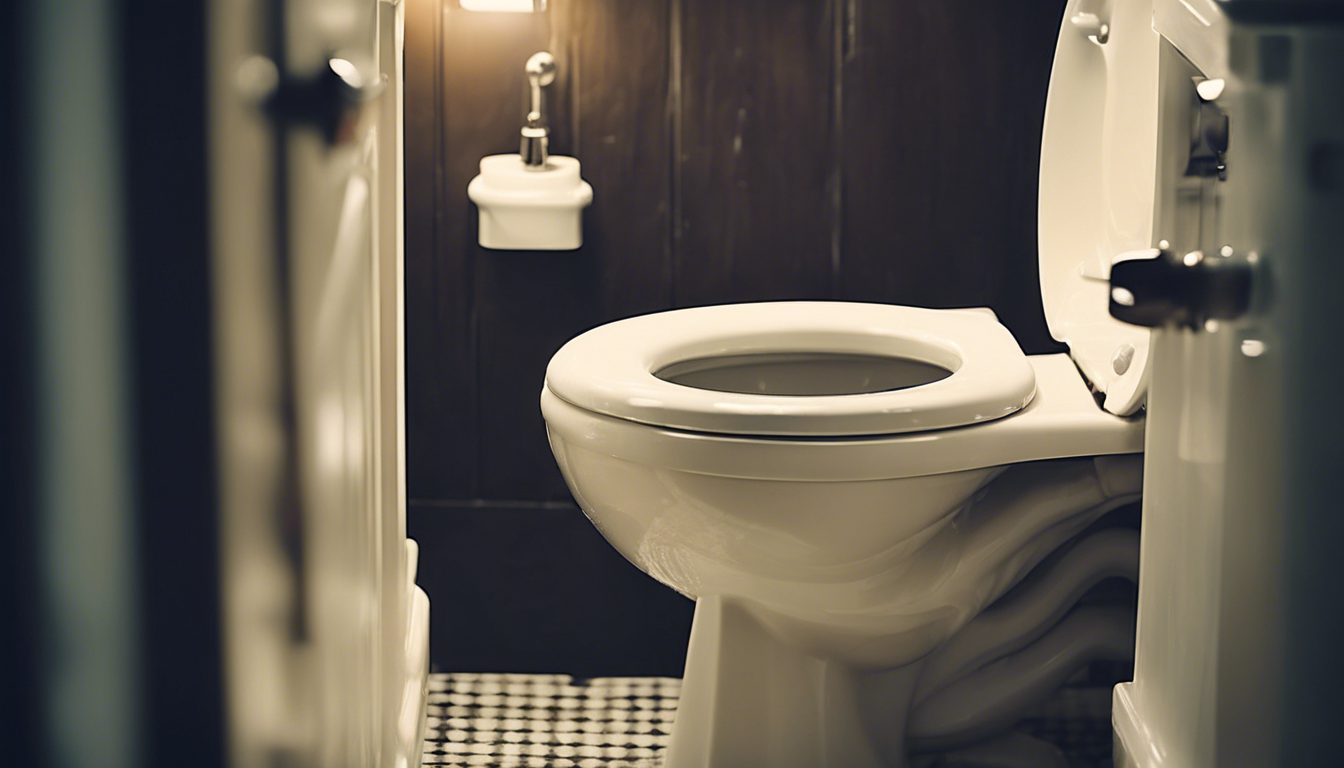
Can You Flush the Toilet When the Power Is Out?
A standard toilet flushes without electricity as long as there is water. Wells, septic systems and pumps are where it gets tricky.
9 min read