Gear & Supplies
10 Reasons You Need Stormproof Matches
We may earn a commission if you buy through our links, at no extra cost to you. We don't test every product ourselves. We read and weigh real buyer reviews to give a fair, balanced picture. How we research.
In this guide
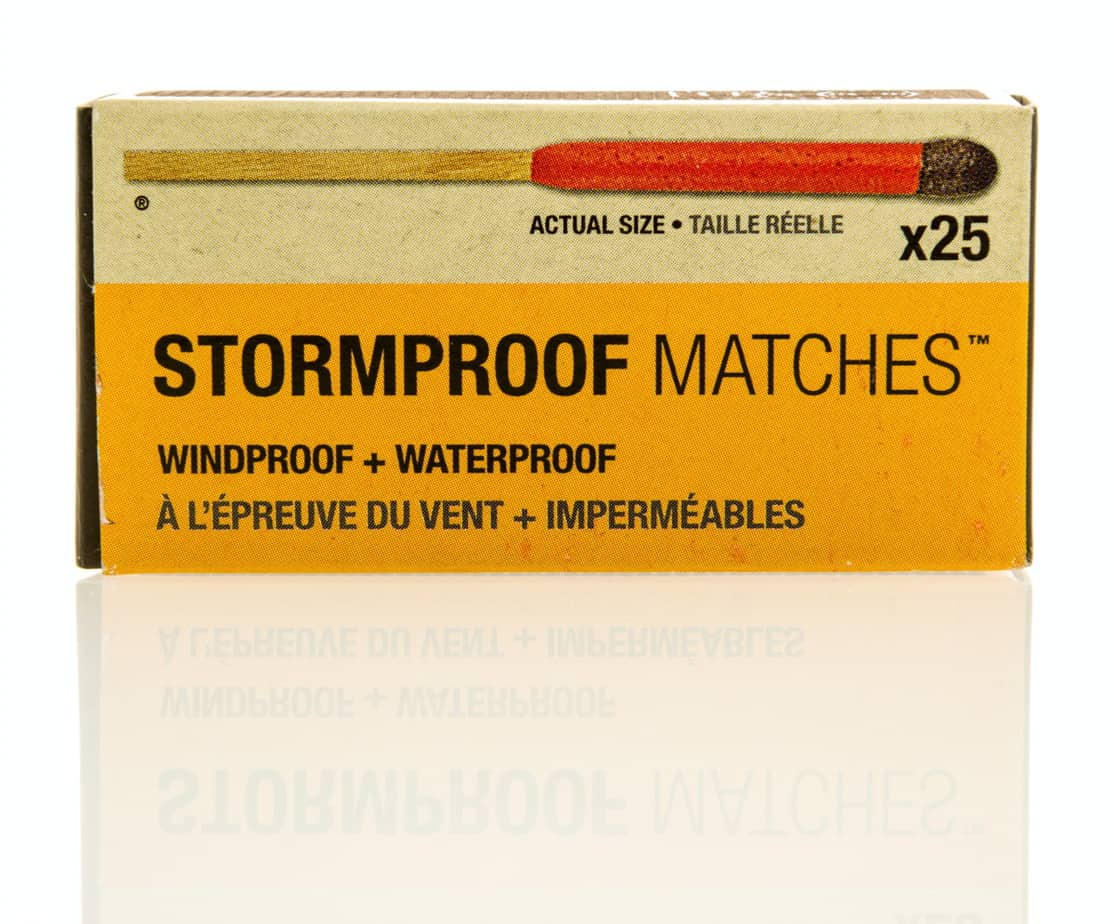
Stormproof matches are worth carrying because they light in rain, wind, and even after being dunked underwater, conditions that snuff out a regular match or jam a cold lighter. They burn 15 to 25 seconds, about three times longer than a standard match, long enough to catch damp tinder. A box of 25 to 50 runs under $10.
That makes them a smart backup for the fire source you already use, whether that’s a lighter for the grill or matches for the fireplace. Here’s what they actually do, when they’re worth reaching for, and where they fall short.
What are stormproof matches?
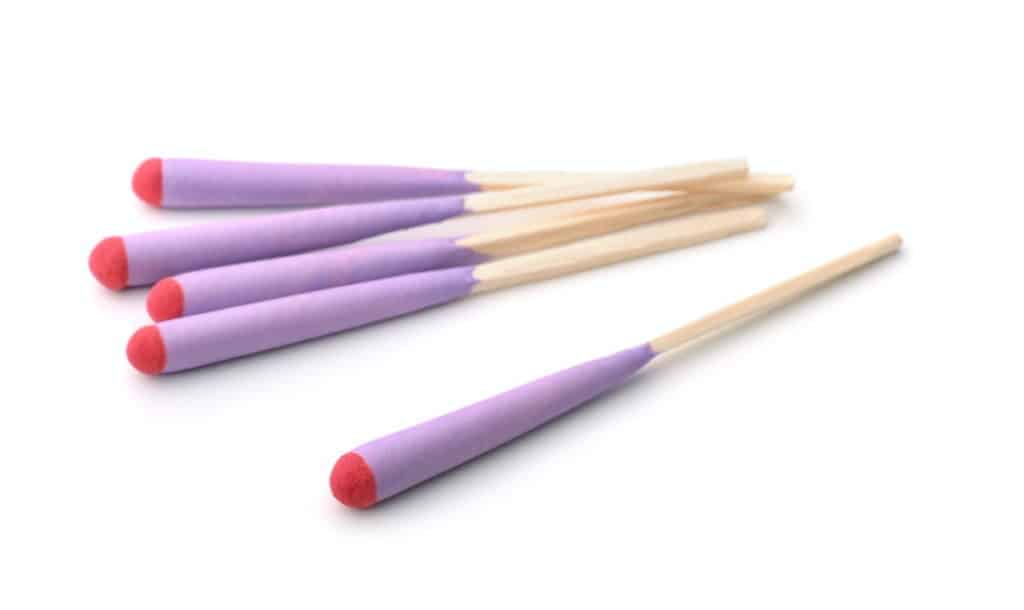
A stormproof match, sometimes called a survival match or hurricane match, is built to light and stay lit in conditions that would snuff out anything else. Most are about 4 inches long, with the bottom third left as a bare wood handle and the top two-thirds coated in a flammable mix, usually a combination of sulfur, magnesium, and potassium chlorate, in bright orange or red.
That extra coating is the whole point. It burns hotter and roughly three times longer than a standard match. A regular safety match burns for about 7 seconds. A stormproof match burns for 15 to 25 seconds, depending on the brand, which is often the difference between catching your tinder and striking a second match.
They need a striking strip to light, the same way a normal safety match does. That sets them apart from strike-anywhere matches, which need no strip at all.
When a stormproof match beats a lighter or a regular match
A butane lighter is the usual go-to because it’s reusable, and for most everyday fires it’s the right call. Stormproof matches earn their spot for the situations a lighter or a regular match struggles with:
- Wet or windy conditions. Rain and gusts kill regular matches and make lighters hard to keep lit. A stormproof match keeps burning through both, and relights if the wind blows it out.
- After going underwater. Drop a lit stormproof match in a puddle and it keeps burning. You can hold one submerged for close to a minute and expect it to still light afterward.
- Cold or high altitude. Butane lighters get harder to light in cold weather and at elevation, since the fuel doesn’t vaporize as well. Stormproof matches aren’t affected by either.
- If it gets buried or snuffed. Drop a lit match and kick dirt over it by accident, and a regular match is done. A stormproof match keeps burning even starved of air.
For dry, calm, everyday fires, a lighter or a plain box of matches does the job for less money. Save the stormproof ones for the moment the weather turns against you.
What to look for when you buy
Not every stormproof match is built the same. A few things to check:
- Burn time. Look for 15 to 25 seconds. Shorter than that and you’re closer to a regular match with a marketing label.
- Included striking strips. The matches are waterproof, but the strip usually isn’t. Good kits include a few extras, or you can buy replacement striking strips separately.
- Box or tube count. Most boxes hold 25 to 50 matches and run under $10, which is cheap insurance for what they do.
How to store them
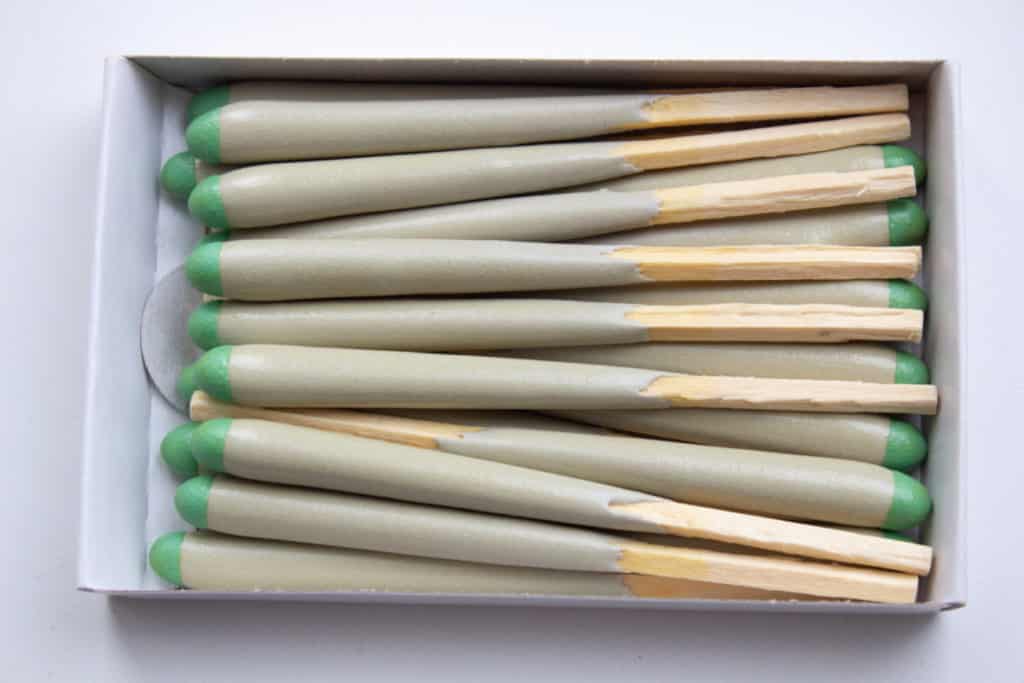
Keep stormproof matches in a water-tight container you can open with one hand, ideally the same one that holds a spare striking strip. Ready.gov lists “matches in a waterproof container” among its recommended additional supplies for a home emergency kit, on top of the core items like water, food, and a flashlight.
A few storage notes worth knowing:
- The matches themselves can get wet and still work, but they light best when dry, so don’t treat the waterproofing as a reason to get careless with them.
- If a striking strip gets wet, it still works once it dries out, it just loses some stiffness in the meantime.
- Store a spare strip separately in your pack in case the main one gets damaged.
The tradeoffs
Stormproof matches aren’t the right tool for every job. Three real downsides:
- They’re bigger than a standard match, roughly twice the size, so they take up more room in a kit or pocket.
- A proper waterproof case can be pricier or harder to find than you’d expect. The classic film-canister trick doesn’t fit a 4-inch match.
- They’re not strike-anywhere. You need a dry, intact striking strip, which is one more thing that can go missing or get ruined.
They also give off a strong sulfur smell when lit, similar to a rotten egg, which is normal but worth knowing before you light one indoors near a fireplace or wood stove.
Do you need both stormproof and regular matches?
Yes, if you can swing it. A box of 25 to 50 stormproof matches costs about the same as a box of 250 ordinary safety matches. Keep the ordinary ones for everyday fires: the grill, candles, the fireplace. Keep the stormproof box for the fire you actually need to work: a power outage, a camping trip caught in weather, or the car kit for winter driving.
Where they fit in a normal household kit
Fire matters for three things in an emergency: cooking, staying warm, and light. According to Ready.gov’s guidance on power outages, having backup ways to cook and stay warm is part of basic outage preparedness, alongside food, water, and a working flashlight. A small box of stormproof matches covers the fire piece of that list for a few dollars and almost no space. Pair it with the rest of a 72-hour emergency kit, keep a set of ways to cook without power in mind, and check your stored fuel while you’re at it, since a fire source is only useful if you also have something to burn.
They’re not a substitute for basic fire safety. The National Fire Protection Association recommends keeping any matches or lighters stored up high and out of reach of children, stormproof or not. Treat them like any other fire source: useful, but not a toy.
Stormproof matches are one part of a well-stocked kit, not the whole plan. Keep a box on hand, store it right, and you’ve got a fire source that works when the easy ones don’t.
Frequently asked questions
Do stormproof matches expire?
Not the way food does, but they don’t last forever either. The chemical coating can dry out or weaken over years of heat and humidity, so a box that’s been sitting in a hot glove box for a decade is worth replacing even if it looks fine. Kept sealed in a cool, dry container, most stormproof matches stay reliable for many years.
Can you relight a stormproof match after it goes out?
Yes, that’s one of the things that sets them apart from a regular match. If wind or water snuffs one out partway through, you can usually strike it again on a dry striking strip and it will relight and keep burning from where it left off.
Are stormproof matches allowed on airplanes?
Only in carry-on, and only one box. Since stormproof matches need a striking strip rather than lighting on any rough surface, TSA treats them as safety matches: one box is allowed in a carry-on bag, but matches of any kind are barred from checked luggage entirely. If you’re flying to a trip where you’ll need fire-starting gear, it’s simpler to buy a box after you land.
What’s the difference between stormproof and strike-anywhere matches?
A strike-anywhere match lights by friction on almost any rough surface, no striking strip needed, but it burns for about the same short time as a regular safety match and doesn’t hold up to wind or water. A stormproof match needs a striking strip like a standard safety match, but once it’s lit it burns three times longer and keeps going through rain, wind, and dunking. They solve different problems: convenience versus reliability in bad conditions.
How do you dispose of used stormproof matches?
Let the spent match cool completely, then throw it in the trash like any burnt match. Don’t toss a still-warm match into a wastebasket or dry brush, and don’t bury lit matches in soil or leaves, since the coating can keep smoldering longer than a regular match head does.
Coming soon
The part of being prepared most families never finish
The Family Emergency Binder puts your family's contacts, documents, and plans in one place — a 15-minute quick start tonight, finished over a weekend. Join the list and we'll email you the moment it's ready, at the $19 launch price for a limited time.