Emergencies & Disasters
How Long Does Canned Food Last After the Expiration Date?
We may earn a commission if you buy through our links, at no extra cost to you. We don't test every product ourselves. We read and weigh real buyer reviews to give a fair, balanced picture. How we research.
In this guide
Most canned food stays safe well past its printed date if it’s stored right. Low-acid cans, like vegetables, meats, soups, and beans, hold quality for 2 to 5 years past the date; high-acid cans, like tomatoes and fruit, hold up for about 12 to 18 months. Toss anything that bulges, leaks, or smells off.
The date on a can marks quality, not safety. How you store it matters more than the number stamped on the lid.
What those dates on canned food actually mean
You’ll see three kinds of dates on cans: “Best By,” “Use By,” and “Sell By.” None of them is a safety date.
People throw out good cans because they misread these labels. On shelf-stable food, the date tells you about flavor and texture, not whether the food is safe. There’s no single standard for how canned food is dated, so the labels can feel like a guessing game until you know what they mean. Quality matters more than the date, and you can judge it yourself instead of tossing usable food.
Once you know these are quality dates and not safety dates, you can stop wasting food and keep a practical pantry without spending extra. A basic canned food supply gives you reliable staples and realistic expectations for how long they stay good.
How long low-acid canned foods really last
Acidity is what sets the timeline. Low-acid canned foods like vegetables, meats, soups, and beans stay safe for a long time. Stored well, they last 2 to 5 years past the date, according to USDA’s shelf-stable food storage chart. The heat used to process them kills off spoilage organisms, and the sealed can keeps new contamination out.
A few things affect how your cans hold up:
- Storage temperature. Keep cans below 75°F and they last much longer.
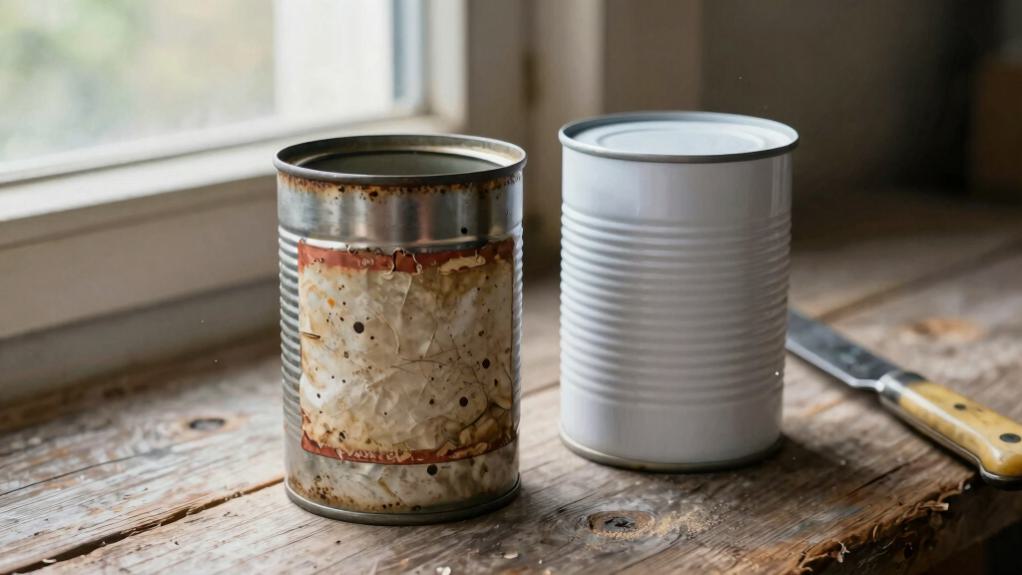
- Container condition. Throw out any can that bulges, rusts, or leaks.
- Time and quality. Texture softens slowly, but the nutrients hold up well for years.
Your pantry staples stay safe longer than you’d think. More on acidity and storage
Tightly sealed cans with good interior coatings hold quality longer and resist corrosion. Long shelf-life options
High-acid canned foods: shorter timelines to know
High-acid cans run on a shorter clock than low-acid ones. You can’t stretch them as far without losing quality and safety.
Canned tomatoes, pickled vegetables, canned fruit, and acidic sauces all belong here. Their acidity slowly eats at the can’s lining, which can lead to metal leaching and off flavors.
Stored well, these foods keep their best quality for about 12 to 18 months past the date, matching USDA’s storage guidance for high-acid canned goods. After that, you’re rolling the dice.
Rotate these items more often than low-acid staples. If your canned tomatoes or acidic sauces are two years past the date, it’s time to use them up or let them go.
Pickled vegetables and canned fruit follow the same pattern. Trust your senses, but not completely. Acid damage isn’t always something you can see. Some high-acid cans may still be safe but taste flat or off, so use smell and appearance as extra clues, not your only test. More on canned acidity
How to spot unsafe cans before you open them
A few warning signs tell you a can is bad before you reach for the can opener. Catching them early keeps you from getting sick.
-
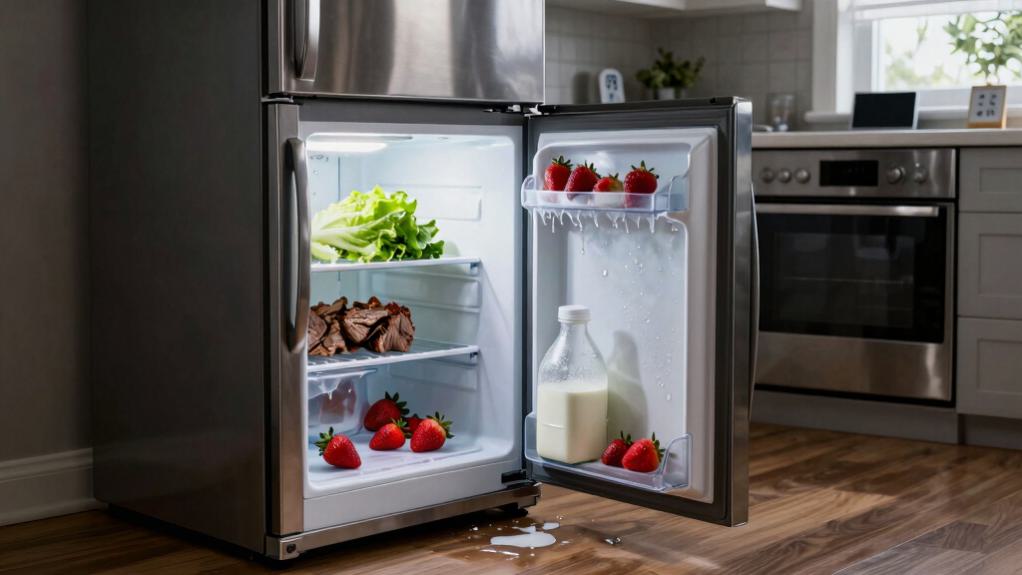
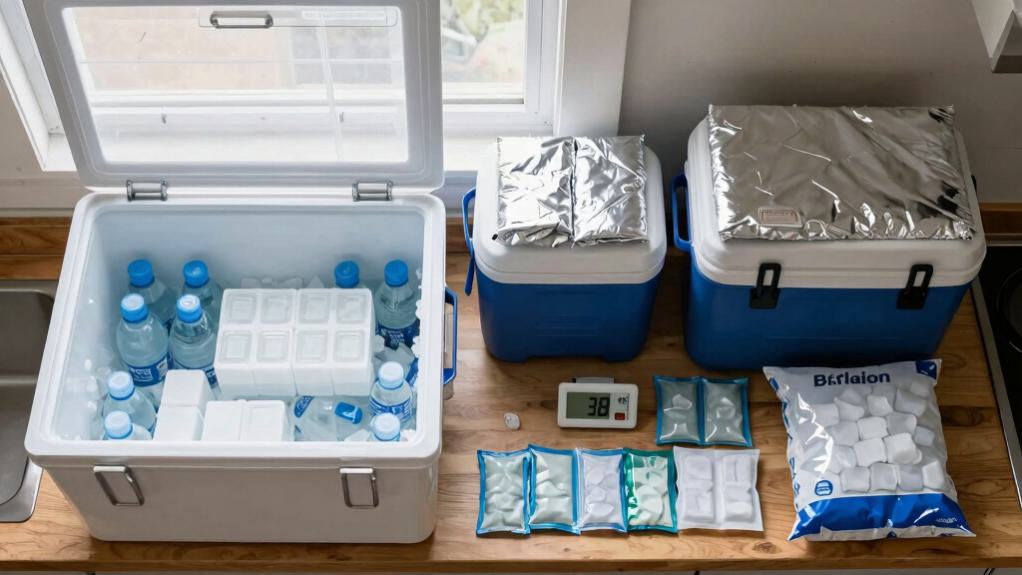
Check the outside. Rust spots and dented edges weaken the seal and let bacteria in. Don’t risk a can with heavy corrosion or deep creases along the seams. The same rust and swelling checks apply to anything you keep refrigerated food cold with during a long outage, so get in the habit either way.
-
Check the lid. A bulging lid means gas is building up from bacteria inside. Press it gently and you’ll feel pressure push back. A leak around the rim means the seal is gone.
-
Trust your nose. You’ll smell trouble the moment you open it. Any sour, chemical, or rotten smell means toss the food, no matter how the can looked from the outside.
Storage conditions affect how cans age, so rotating your stock helps you avoid using a can that’s past its prime. Track dates as cans age. Good storage keeps cans and their contents in better shape over time.
Simple storage tips to maximize shelf life
Where you keep your cans matters as much as the cans themselves. Good conditions stretch their life well past the printed date.
Start with temperature. Keep your pantry between 50°F and 70°F to protect both the food and the seal. Watch humidity too, and keep it below 60% so rust can’t form on the cans.
Set up your pantry so older cans sit in front and get used first. Mark purchase dates and slide new cans in behind the old ones.
Before you store a can, check it for dents or damage that could break the seal.
These habits stretch shelf life so you can eat canned food with confidence months after the date passes. A steady temperature and controlled humidity do most of the work, along with a solid seal. Long-term storage gear helps, and steady conditions are the main thing that keeps cans stable on the shelf.
Frequently asked questions
Can expired canned food lose all nutritional value?
No. Expired canned food doesn’t lose all its nutrition, though some breaks down over time.
Vitamins like C and B fade faster than minerals or protein. You’re still getting calories and basic nutrients from cans that are years old.
Don’t go by looks alone. If you see bulging, rust, or smell something off, throw it out. That’s a botulism risk.
Always check cans before you eat.
Does freezing extend canned food shelf life?
No. Don’t freeze unopened cans. Freezing won’t extend shelf life and it can make the food unsafe.
The liquid inside expands as it freezes, which can bulge or break the seal and let contamination in. Store cans in a cool, dry pantry instead.
Once you’ve opened a can, you can move the contents to freezer-safe containers. Either way, check the can for damage before you use it.
Can I donate cans past their code date?
Yes, but check the food bank’s guidelines first.
Most food banks take cans 1 to 2 years past the date as long as the can isn’t damaged, rusted, or swollen.
Inspect each can before you give it away.
Call your local food bank since policies vary.
You cut down on waste and help your community when you donate the right cans.
Why do some cans lack any date labels?
Some cans have no date because the rules don’t require one for shelf-stable products, especially items with very long shelf lives like vegetables or soups.
You’ll see this more on cans from smaller makers or some imported brands. With no date to go by, check the can yourself for damage, swelling, or rust to judge whether it’s safe.
Is botulism risk higher in older canned foods?
The risk goes up in older cans when the seal is broken or the can was stored badly. The CDC explains that the bacteria behind botulism need a low-oxygen, low-acid environment to grow and produce toxin, which is exactly what a damaged or improperly sealed can provides.
Keep cans cool and dry, with no dents or rust.
Botulism symptoms include double vision, slurred speech, and muscle weakness, and every form of it is a medical emergency; the CDC’s advice is to go to the emergency room immediately rather than wait it out.
Don’t taste a can you’re unsure about. When in doubt, throw it out.
Staying careful keeps this dangerous toxin away from your family.
Conclusion
You can safely eat canned food well past the date when you’ve stored it right and checked for damage. Low-acid foods last 2 to 5 years, and high-acid ones hold up 12 to 18 months. Trust your eyes and nose, not just the calendar. Keep your cans cool, dry, and undamaged, and they’ll last far longer than the label suggests. Waste less, save more, and eat with confidence. Canned food is also one of the easiest ways to cook a hot meal when the power is out, so a well-rotated shelf pays off twice.
Coming soon
The part of being prepared most families never finish
The Family Emergency Binder puts your family's contacts, documents, and plans in one place — a 15-minute quick start tonight, finished over a weekend. Join the list and we'll email you the moment it's ready, at the $19 launch price for a limited time.