In this guide
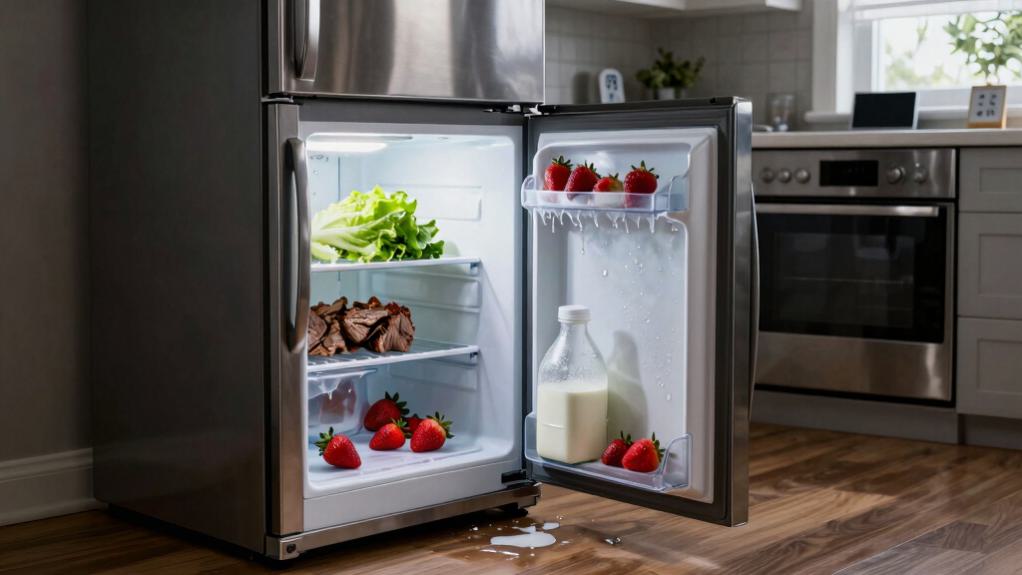
A closed refrigerator keeps food safe for about 4 hours after the power goes out. A full freezer holds for about 48 hours, a half-full one about 24, as long as the door stays shut. After that, anything perishable that’s been above 40°F for more than 2 hours gets thrown out.
That clock started the moment the lights went out, not when you finally noticed or thought to check. From here, the single most useful thing you can do is leave the doors closed. Every time you open the fridge or freezer to look around, warm air gets in and the safe window gets shorter.
The numbers, and the one condition attached to all of them
A closed refrigerator holds a safe temperature for about 4 hours once the power goes out, per FoodSafety.gov’s power-outage guidance. A full freezer does better: about 48 hours. A freezer that’s only half full holds about 24 hours. The CDC and USDA publish the same three numbers, so this is consistent guidance across agencies, not one group’s opinion.
Every one of those numbers comes with the same condition attached: the door stayed closed. A full freezer outlasts a half-full one because it’s packed with more frozen mass holding its own temperature, with less air space in between to warm up. Open either door to check on things or grab a snack, and that safe window shrinks faster than these numbers promise. More on what that means below.
Check the clock, then check a thermometer
The clock is your first read on where you stand. How long has it actually been since the power went out? Inside that window, 4 hours for the fridge, 24 or 48 for the freezer, the food behind that door is still good. Past it, or if you’re not sure when the outage started, a thermometer beats guessing every time.
The FDA recommends keeping an appliance thermometer in both the fridge and freezer year-round, so you have a real number instead of a guess. The fridge should read 40°F or below, the freezer 0°F or below. If a thermometer shows the fridge climbed above 40°F, anything perishable held there for more than 2 hours needs to go. In extreme heat, above 90°F, that window drops to 1 hour.
The moment power comes back is not the moment to start digging through the freezer. Check the thermometer first. If it reads 40°F or below, the food is safe and can be refrozen. If you don’t have a thermometer and the power’s already on, the ice-crystal check below is your fallback.
Refrigerator: what to throw out and what to keep
Start with what has to go. After 4 hours above 40°F, throw out:
- Raw or cooked meat, poultry, and seafood
- Eggs and egg dishes
- Milk and soft cheeses
- Cooked leftovers
- Cut fruit and vegetables
- Opened baby formula
- Dough
These are the foods that grow bacteria fastest at room temperature, and none of them show it by looking or smelling different right away. That’s the whole reason to go by the clock instead of your nose.
You can keep these, even after the fridge has sat warm for a while:
- Hard cheeses
- Butter and margarine
- Most condiments (ketchup, mustard, soy sauce, pickles, vinegar-based dressings)
- Whole, uncut fresh fruit and vegetables
- Bread and tortillas
- Jelly
- Peanut butter
Never taste anything to decide if it’s still good. You can’t taste bacteria, and food that looks and smells fine can still make you sick. When in doubt, throw it out.
Freezer: the ice-crystal rule
Frozen food is safe to refreeze if it still has ice crystals in it, or reads 40°F or below on a thermometer, though the texture and flavor may suffer some. Unlike the fridge, this one isn’t about the clock: check the food itself. Meat, poultry, dairy, and most baked goods all fall into this category.
Once food has fully thawed and sat above 40°F for more than 2 hours, it goes in the trash, the same as a fridge item that missed its window. Ice cream and frozen yogurt are the one exception worth knowing: toss them either way, ice crystals or not, once they’ve been through a full thaw.
What if you opened the door?
None of the agencies publish a separate number for a fridge or freezer that got opened partway through the outage. Every 4-hour, 24-hour, and 48-hour figure above assumes the door stayed shut the whole time. If you checked on things, grabbed a drink, or let the freezer door hang open while you dug for a popsicle, that window is shorter than the published numbers, and there’s no official adjusted figure to swap in.
Once the door has been opened, stop trusting the clock and go by the thermometer and the 2-hour rule instead. If the fridge reads above 40°F, or you know the food sat there warm for more than 2 hours, treat it the same as if the full outage had already passed.
How to make it last longer (briefly)
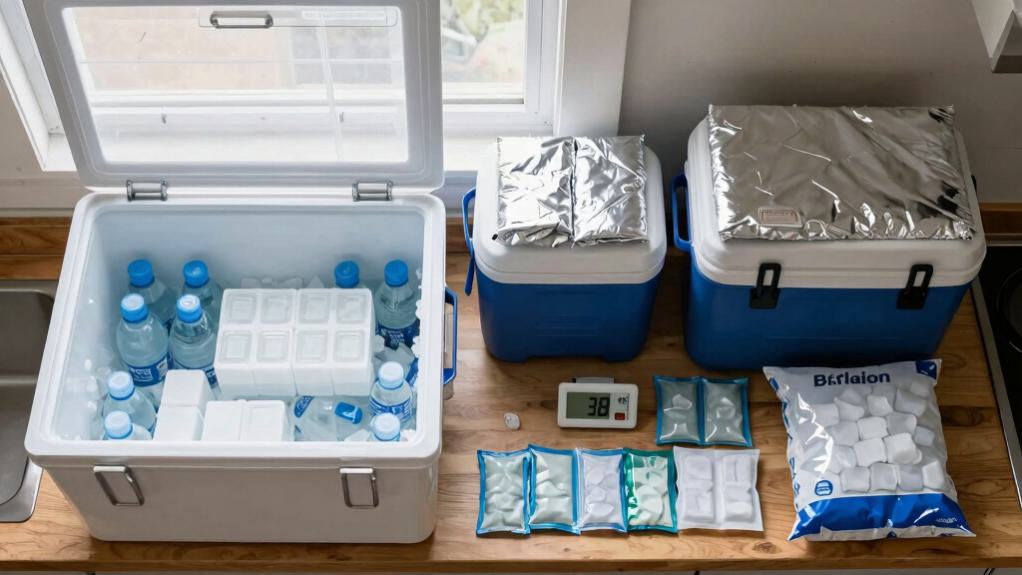
The single biggest lever you have is keeping the doors closed, full stop. Beyond that, USDA’s Food Safety and Inspection Service notes that fifty pounds of dry ice can hold an 18-cubic-foot full freezer for about 2 days, if you want to buy more time before things thaw. For the complete method, including how to use dry ice and coolers safely, see our guide to keeping food cold during a long power outage. And if you’re trying to use up what’s about to spoil instead of losing it, our guide to cooking when the power is out covers what to cook first.
Frequently asked questions
How long can a fridge go without power before food goes bad?
About 4 hours, as long as the door stays closed the whole time. If your outage is stretching into the evening, our guide to getting through a power outage at night covers the rest of what to handle.
Is food safe after 8 hours without power?
No. Once a closed fridge passes the 4-hour mark, or any perishable food has sat above 40°F for more than 2 hours, treat it as unsafe. At 8 hours, assume everything on the toss list above needs to go.
Can you refreeze food that thawed during a power outage?
Yes, if it still has ice crystals or reads 40°F or below on a thermometer. The texture and flavor may not be quite the same, but it’s safe to eat.
Should I put food outside in the snow during an outage?
Not reliably. Outdoor temperatures swing with sun and weather in a way a closed fridge doesn’t, and outdoor storage invites animals. It’s a shaky workaround at best, not a real substitute for keeping the doors closed.
What should I throw out first after a power outage?
The items that cross the 4-hour, 40°F line fastest: raw and cooked meat, poultry, seafood, dairy, and any leftovers. Those are the first things worth cooking or eating before they spoil, and the first to toss once they haven’t been.
When in doubt, throw it out
None of this requires memorizing anything. Note when the power went out, keep the doors closed, and check a thermometer once it’s back on. If you’re still not sure about something in the toss-or-keep pile, that uncertainty is the answer. It’s never worth the risk.
Coming soon
The part of being prepared most families never finish
The Family Emergency Binder puts your family's contacts, documents, and plans in one place — a 15-minute quick start tonight, finished over a weekend. Join the list and we'll email you the moment it's ready, at the $19 launch price for a limited time.