Buying Guides
Best Canned Food for Emergencies: 16 Picks for Your Pantry
General information only, not professional advice. In an emergency, call 911 and follow local officials. How we use sources
We may earn a commission if you buy through our links, at no extra cost to you. We don't test products ourselves. We choose picks from the maker's own specs, the retailer listing and, where a safety rule applies, official government guidance. Specs shown are the maker's or seller's claims, and we have not tested any safety or fire rating. How we choose.
The best canned food for emergencies is a mix of canned meat and fish for protein, beans for fiber, soup for a hot meal, and fruit packed in juice for variety. Choose cans you can eat cold, then rotate them so nothing sits past its best.
When the power goes out or a storm keeps you home for a few days, your pantry is what carries you. Not all canned goods pull equal weight. Some keep you full, some give you real variety, and some are mostly salt. Below are sixteen worth your shelf space, labelled by job: best for protein, best no-cook, best meat staple. Jump to the comparison table for protein, shelf life, and which cans need heat.
At a glance
Our top picks
The picks we'd buy for our own family. Prices update on Amazon; we may earn a commission at no cost to you.
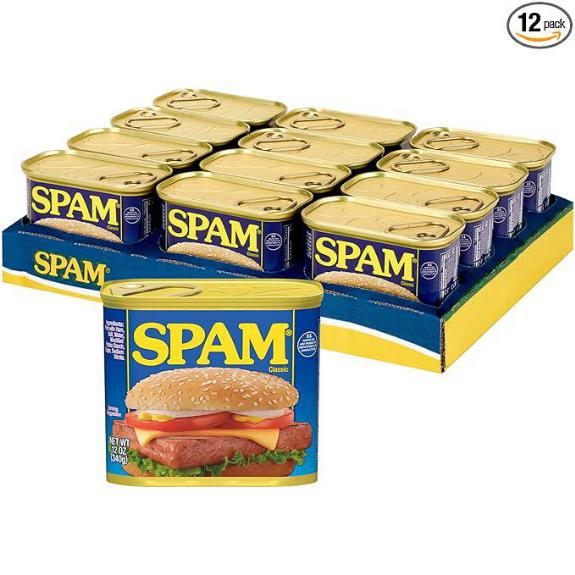
SPAM Classic SPAM Canned Meat 12 oz Can (12 Pack)
- Food Category: Processed meat
- Shelf Stability: Fully cooked, shelf-stable
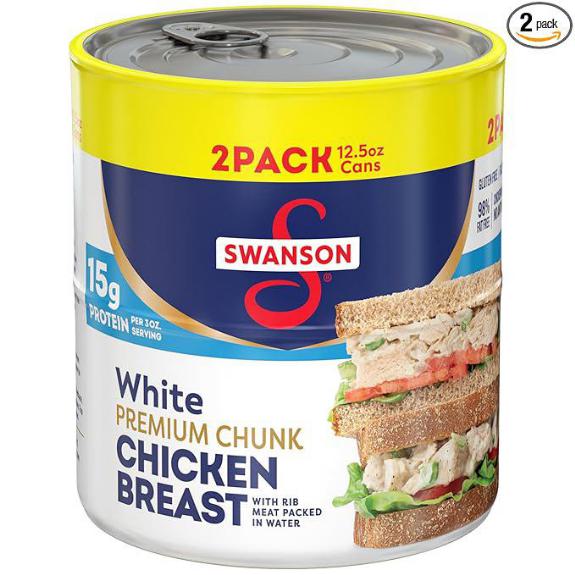
Swanson White Chunk Chicken Breast 12.5oz (2-Pack)
- Food Category: Poultry
- Protein Content: 15g per 3oz serving
- Shelf Stability: Fully cooked, ready-to-eat
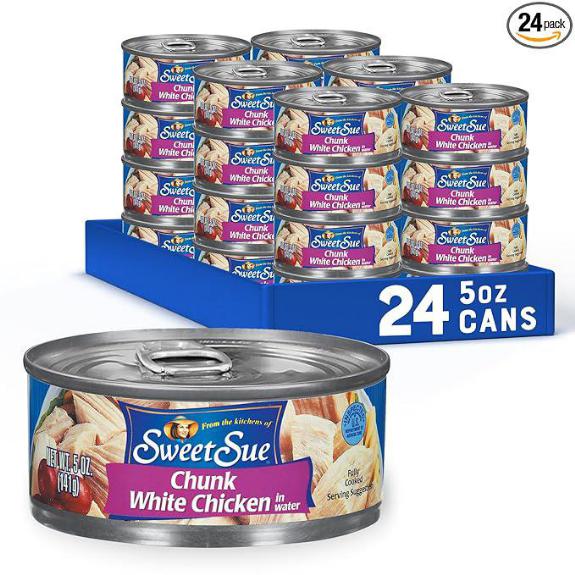
Sweet Sue Canned Chicken Breast 5oz 24-Pack
- Food Category: Poultry
- Protein Content: 11g per serving
- Shelf Stability: Ready-to-eat
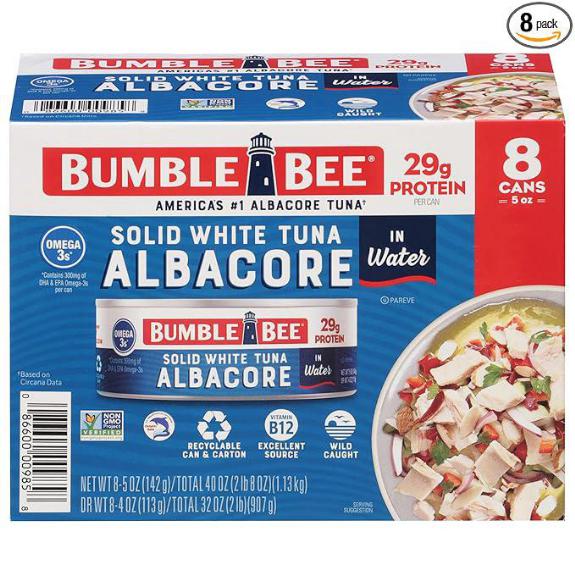
Bumble Bee Solid White Albacore Tuna (5 oz 8-Pack)
- Food Category: Seafood (tuna)
- Protein Content: 29g per can
- Shelf Stability: Shelf-stable
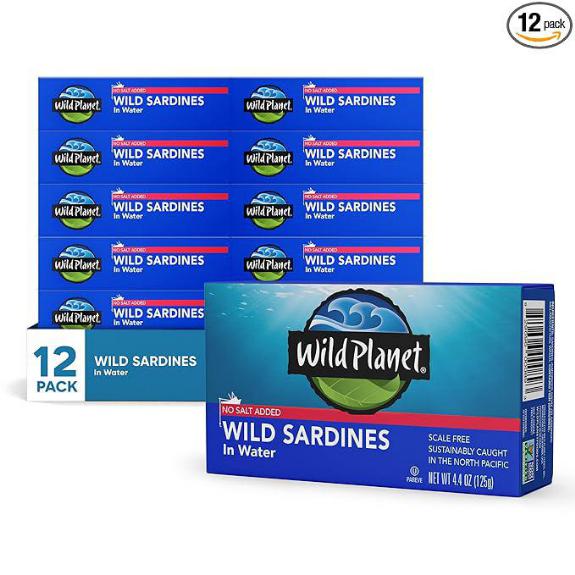
Wild Planet Sardines in Water No Salt (12-Pack)
- Food Category: Seafood (sardines)
- Protein Content: 18g per 3oz serving
- Shelf Stability: Shelf-stable
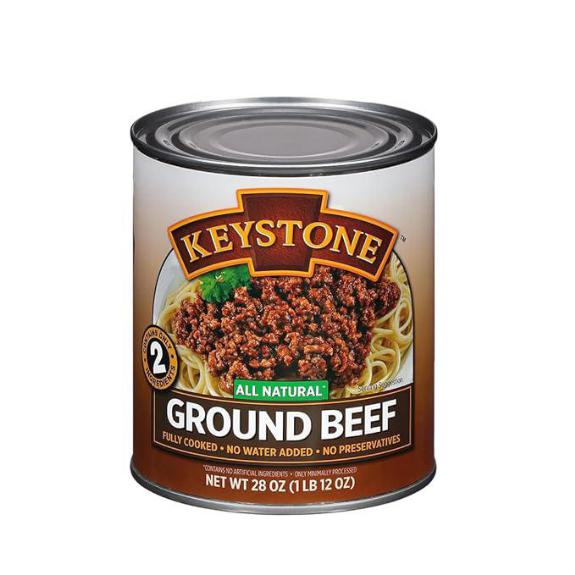
Keystone Meats All Natural Ground Beef 28oz
- Food Category: Red meat
- Protein Content: High protein
- Shelf Stability: Fully cooked, shelf-stable
The full breakdown
A closer look at each pick
SPAM Classic SPAM Canned Meat 12 oz Can (12 Pack)
For a three-day kit or a deep pantry, you want protein that keeps without a fridge. SPAM Classic does that. It is fully cooked, shelf-stable, and ready when you are.
This pack gives you twelve 12 oz cans, and you can do a lot with them. Fry it for breakfast, chop it into mac and cheese, or grill slices for burgers. It also works in quiches, casseroles, quesadillas, and pasta carbonara.
Twelve cans is a lot of meals from one shelf.
- Food Category
- Processed meat
- Shelf Stability
- Fully cooked, shelf-stable
- Pack Size
- 12-pack (12 oz cans)
- Preparation Required
- Ready-to-eat
- Additional Feature
- Meat of many uses; Breakfast lunch dinner; Enhances family meals
Swanson White Chunk Chicken Breast 12.5oz (2-Pack)
You get white meat with no antibiotics and no added MSG. It is 98% fat-free and gluten-free, so it fits most diets. Each 12.5 oz can holds 3.5 servings, which makes this two-pack good value.
Eat it straight from the can, pile it on crackers, or stir it into salads. With the power out, you can still put together buffalo chicken dip or chicken quesadillas. Swanson also makes Chicken and Dumplings and Chicken a la King if you want options.
- Food Category
- Poultry
- Protein Content
- 15g per 3oz serving
- Shelf Stability
- Fully cooked, ready-to-eat
- Pack Size
- 2-pack (12.5 oz cans)
- Dietary Certifications
- Gluten-free, no antibiotics
- Preparation Required
- Ready-to-eat
- Additional Feature
- No antibiotics added; 98% fat free; Buffalo chicken dip
Sweet Sue Canned Chicken Breast 5oz 24-Pack
Sweet Sue Canned Chicken Breast gives you 11 grams of lean protein per serving, shelf-stable and ready to eat. You get 24 five-ounce cans of real chicken chunks in water, not processed mush, so a 24-pack covers a family through a long stretch without a store run.
Stir it into quesadillas, toss it through pasta salad, or eat it straight from the can during a power outage. Each serving is keto-friendly and gluten-free, so it fits most diets without a second look at the label.
- Food Category
- Poultry
- Protein Content
- 11g per serving
- Shelf Stability
- Ready-to-eat
- Pack Size
- 24-pack (5 oz cans)
- Dietary Certifications
- Keto-friendly, gluten-free
- Preparation Required
- Ready-to-eat
- Additional Feature
- Real chicken chunks in water; Homestyle recipe; Bulk 24-pack value
Bumble Bee Solid White Albacore Tuna (5 oz 8-Pack)
Bumble Bee's Solid White Albacore Tuna (5 oz, 8-Pack) is the highest-protein emergency food on this list. Each can gives you 29g of protein, 300mg of omega-3 fatty acids, and vitamin B12 to keep you going.
This wild-caught albacore has a mild flavor and firm texture, and it keeps on the shelf. It is Non-GMO Project certified, gluten-free, and keto-friendly. Stack the recyclable cans in the pantry, drop them in an emergency kit, or open one anywhere, no fridge required. Stir it into pasta, salads, or tacos for a quick, filling meal.
- Food Category
- Seafood (tuna)
- Protein Content
- 29g per can
- Shelf Stability
- Shelf-stable
- Pack Size
- 8-pack (5 oz cans)
- Dietary Certifications
- Non-GMO, gluten-free, Kosher, Dolphin Safe
- Preparation Required
- Ready-to-eat
- Additional Feature
- Trace My Catch; Dolphin Safe certified; Firmer texture tuna
Wild Planet Sardines in Water No Salt (12-Pack)
If you want a protein source with no added salt, Wild Planet's no-salt sardines fit well. Each 4.4-ounce can gives you 18 grams of clean protein, 1,800 milligrams of EPA and DHA omega-3s, and 70 percent of your daily vitamin D. The texture is meaty and tender, with no scales. The pull-tab lid opens easily on a hard day or a busy one, which makes these good for the pantry or an emergency kit. They are non-GMO, gluten-free, and OU Kosher Pareve certified. Wild Planet says the fish is caught with selective methods in the North Pacific to avoid bycatch.
- Food Category
- Seafood (sardines)
- Protein Content
- 18g per 3oz serving
- Shelf Stability
- Shelf-stable
- Pack Size
- 12-pack (4.4 oz cans)
- Dietary Certifications
- Non-GMO, gluten-free, OU Kosher
- Preparation Required
- Ready-to-eat
- Additional Feature
- 1800mg Omega-3s; 70% daily vitamin D; Selective harvesting method
Keystone Meats All Natural Ground Beef 28oz
When you stock your emergency pantry, you want real nutrition without giving up quality. Keystone Meats' 28-ounce can of all-natural ground beef is a good fit. The listing says it is fully cooked and shelf-stable, with just beef and sea salt and no preservatives, MSG, or added water. It's listed as keto-friendly and gluten-free.
Eat it straight from the can or brown it for tacos, spaghetti, chili, or casseroles. Keystone lists a five-year shelf life, so it keeps your family fed through a rough stretch without giving up taste or nutrition.
- Food Category
- Red meat
- Protein Content
- High protein
- Shelf Stability
- Fully cooked, shelf-stable
- Pack Size
- Single can (28 oz)
- Dietary Certifications
- Keto-friendly, gluten-free
- Preparation Required
- Ready-to-eat or heat to brown
- Additional Feature
- Only two ingredients; No water added; 5-year shelf life
Chicken of the Sea Chunk Light Tuna 10-Pack (5oz)
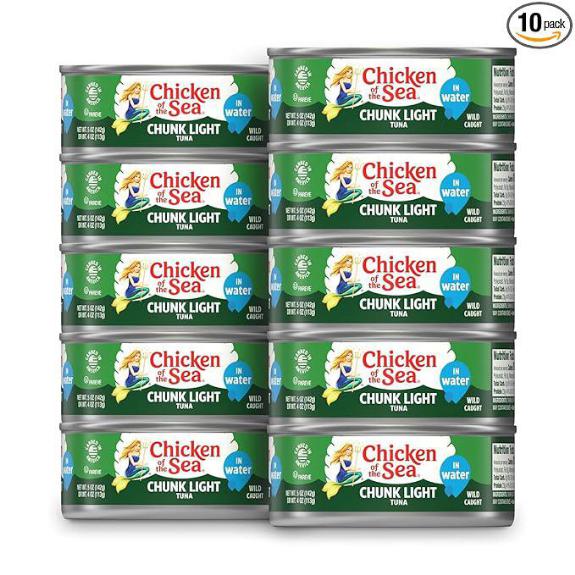
A good pantry needs protein that keeps, and this 10-pack covers it. You get fifty ounces of wild-caught tuna, with 23 grams of lean protein per serving to keep your energy up. It is non-GMO and high in omega-3, and it fits keto, paleo, and Mediterranean diets. Pile it on crackers, stir it into rice, or toss it with pasta when cooking is limited. It is Marine Stewardship Council-certified, so it is fished responsibly. Chicken of the Sea has been at this since 1914, and their SeaChange plan keeps the focus on people and the ocean.
- Food Category
- Seafood (tuna)
- Protein Content
- 23g per serving
- Shelf Stability
- Ready-to-eat
- Pack Size
- 10-pack (5 oz cans)
- Dietary Certifications
- Non-GMO, MSC certified
- Preparation Required
- Ready-to-eat
- Additional Feature
- Marine Stewardship certified; SeaChange sustainability plan; Established 1914 brand
Armour Star Vienna Sausage Original 4.6 oz (Pack of 6)
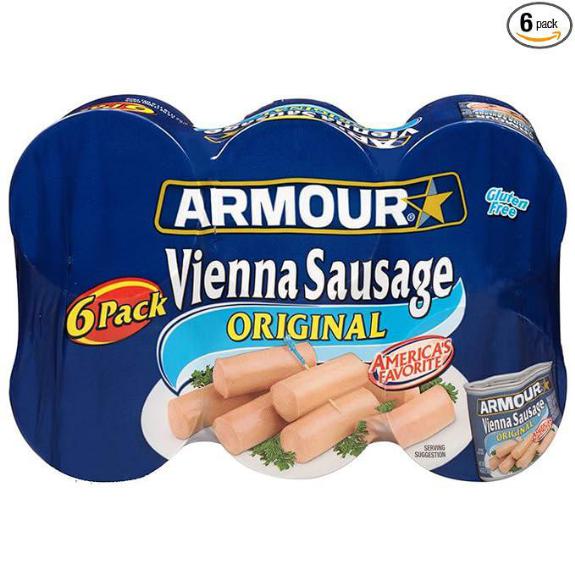
A six-pack of Armour Star Vienna Sausage gives you compact, protein-rich food for a lean pantry. You get six 4.6-ounce cans of blended chicken, beef, and pork sausage that is gluten-free and ready to eat right out of the can.
No cooking needed, so these work well when the power is down. The small cans fit tight spaces, and you do not need a fridge until one is open. Eat them as a quick protein hit or slice them into other dishes when you want a change from plain meat.
The flavor is mild and works in a lot of meals, so you stay covered when choices are thin.
- Food Category
- Processed meat (sausage)
- Shelf Stability
- Ready-to-eat
- Pack Size
- 6-pack (4.6 oz cans)
- Dietary Certifications
- Gluten-free
- Preparation Required
- Ready-to-eat (eat from can)
- Additional Feature
- Three meat blend; Eat straight from can; Quick snack option
Hormel No Salt Added Canned Chunk Chicken Breast (5oz 12-Pack)
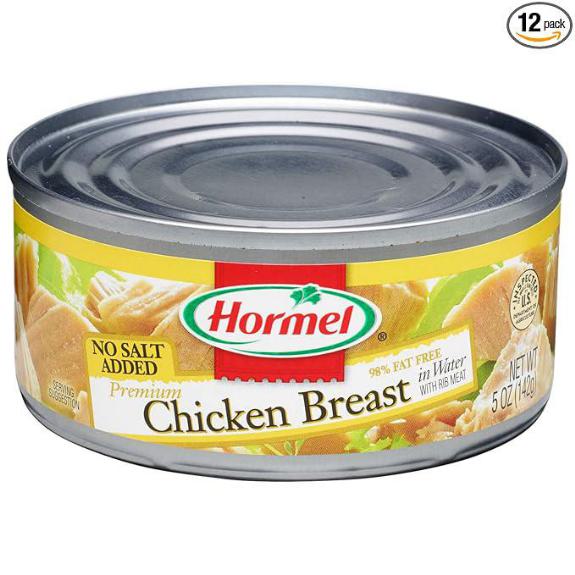
If someone in your house watches salt, Hormel's No Salt Added Canned Chunk Chicken Breast is the one to stock, with 9 grams of protein per serving and no added salt.
The meat is 98% fat-free, gluten-free, fully cooked, and ready to eat straight from the can. No refrigeration until you open it, and no prep or cleanup. Make chicken salad, buffalo chicken dip, or eat it plain when things get tight.
- Food Category
- Poultry
- Protein Content
- 9g per serving
- Shelf Stability
- Fully cooked, ready to eat
- Pack Size
- 12-pack (5 oz cans)
- Dietary Certifications
- Gluten-free, 98% fat free
- Preparation Required
- Ready-to-eat
- Additional Feature
- No salt added; 98% fat free; Chunk texture style
365 Organic Bean Trio (Kidney Pinto Black)
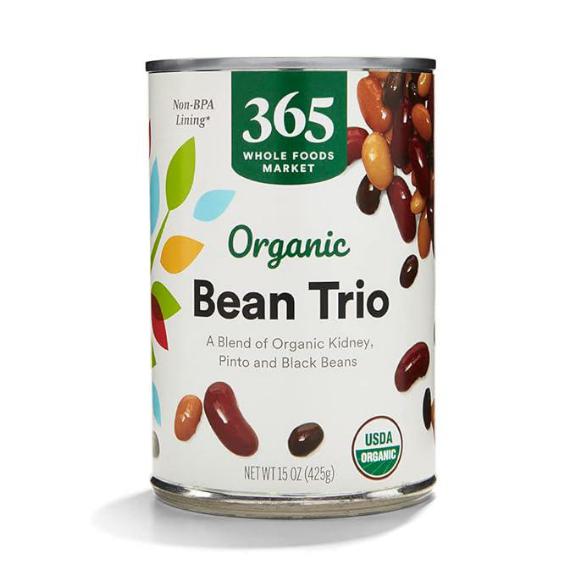
If you want variety without the bulk, the 365 Organic Bean Trio (Kidney, Pinto, Black) does the job. You get three beans in one 15-ounce can, so you do not have to stock each kind on its own.
The listing says the blend is vegan, fat-free, and low in sodium, so you season it your way. It works well in chili or to stretch a pot of soup.
It is a Whole Foods Market organic product, and it drops into a lot of meals as a steady protein base when choices run thin.
- Food Category
- Legumes/beans
- Shelf Stability
- Shelf-stable
- Pack Size
- Single can (15 oz)
- Dietary Certifications
- Organic, vegan, fat-free
- Preparation Required
- Ready-to-eat (rinse/drain suggested)
- Additional Feature
- Three bean blend; Ideal for chili; Whole Foods quality
BUSH’S BEST Canned Black Beans 15 oz (12-Pack)
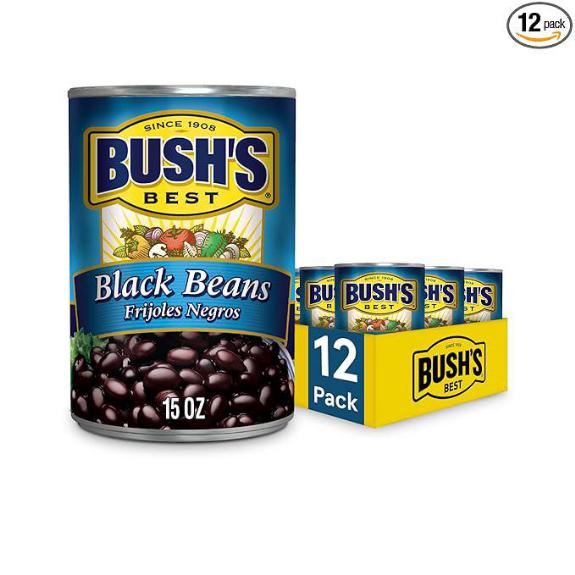
You want protein that keeps, and this 12-pack delivers. Each 15-ounce can has 7 grams of protein and 5 grams of fiber at just 110 calories per serving.
BUSH'S uses only plump beans, so the texture is creamy straight from the can. They are gluten-free, dairy-free, and cholesterol-free, which works for most diets.
You have room to play here. Simmer these North American-grown beans into soup, mix them with rice, or blend them into a dip. No fridge needed.
Bush's has been making beans for over a century, and the listing credits a family recipe.
- Food Category
- Legumes/beans
- Protein Content
- 7g per serving
- Shelf Stability
- Shelf-stable
- Pack Size
- 12-pack (15 oz cans)
- Dietary Certifications
- Gluten-free, dairy-free
- Preparation Required
- Ready-to-eat (rinse/drain suggested)
- Additional Feature
- Secret Family Recipe; 5g fiber per serving; Plump beans selected
Campbell’s Chunky Soup Hearty Bean Soup With Ham 19 Oz Can
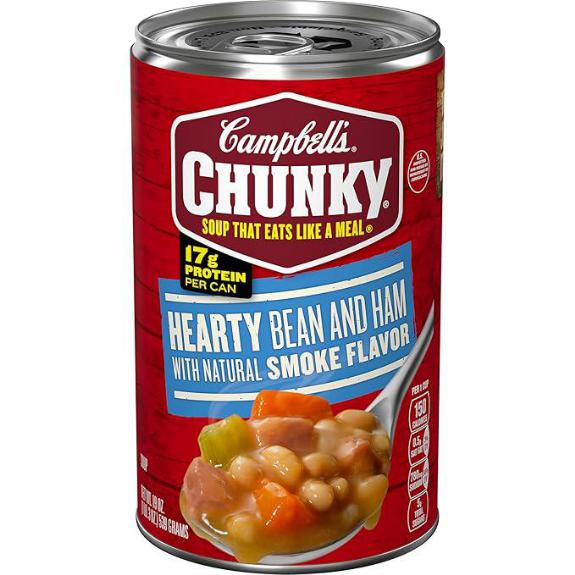
Campbell's Chunky Hearty Bean Soup with Ham packs a real meal into a 19-ounce can, which makes it a smart pick for the pantry. The blend of ham, carrots, and beans gives you 17 grams of protein to keep you going. Warm it fast in any microwave-safe bowl when the power is on. Keep a few cans on hand for quick meals at home, work lunches, or a day outdoors.
- Food Category
- Prepared soup
- Protein Content
- 17g per can
- Shelf Stability
- Shelf-stable, microwavable
- Pack Size
- Single can (19 oz)
- Preparation Required
- Heat before eating
- Additional Feature
- 17g protein can; Campfire meals ideal; Hearty filling soup
Hormel Chili & DINTY MOORE Beef Stew Variety Pack (8-Pack)
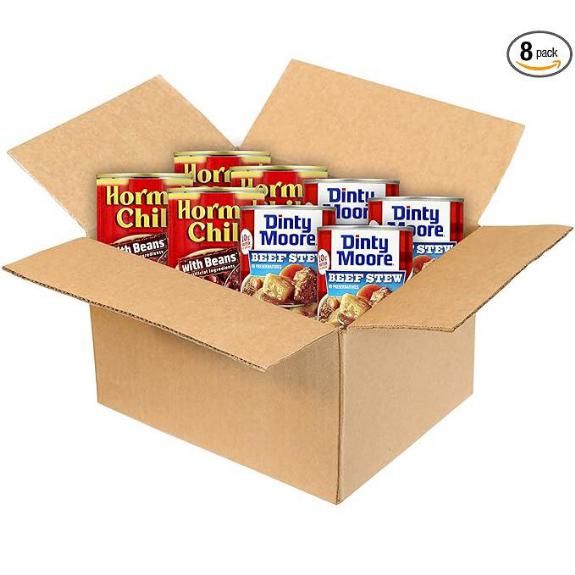
Four cans each of two classic comfort meals give you a solid base for the pantry. The variety in this eight-pack helps when normal routines break down.
Dinty Moore Beef Stew has 10g of protein per serving and no preservatives. Hormel bills its chili as America's leading chili. Each 15-ounce can stores easily and waits until you need it.
Heat and serve, or stretch either one by spooning it over noodles.
- Food Category
- Prepared meals (chili/stew)
- Protein Content
- 10g per serving (stew)
- Shelf Stability
- Shelf-stable, heat and serve
- Pack Size
- 8-pack (15 oz cans)
- Dietary Certifications
- No preservatives (stew)
- Preparation Required
- Heat before eating
- Additional Feature
- America’s leading chili; No preservatives stew; Serve over noodles
Dole Tropical Gold Pineapple Chunks 12 Pack
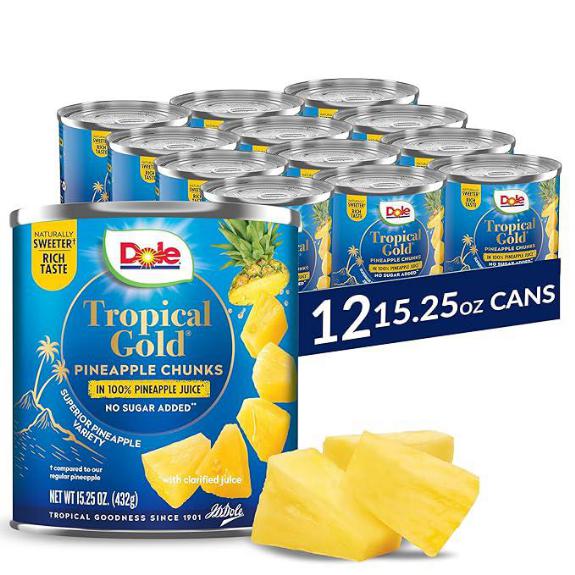
For a three-day food supply, Dole Tropical Gold Pineapple Chunks bring both nutrition and a little lift. You get twelve 15.25 oz cans of sweet pineapple chunks in 100% juice, with no added sugar.
You get a real dose of vitamin C from this non-GMO, gluten-free fruit. Dole lists the cans as BPA-free and the fruit as having no artificial ingredients.
Eat it plain or stir it into rice for a change.
- Food Category
- Fruit
- Shelf Stability
- Shelf-stable
- Pack Size
- 12-pack (15.25 oz cans)
- Dietary Certifications
- Non-GMO, gluten-free, kosher, BPA-free
- Preparation Required
- Ready-to-eat
- Additional Feature
- Naturally sweeter variety; 100% pineapple juice; BPA-free packaging
Del Monte Sliced Peaches in Juice (4-Pack)
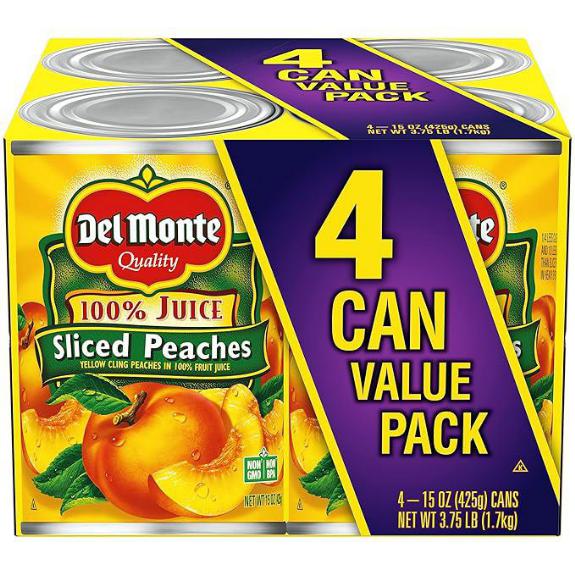
Keep four cans of Del Monte Sliced Peaches in Juice on hand if you want an emergency pantry that still brings nutrition. You get 15 ounces each of yellow cling slices picked at peak ripeness, packed in real fruit juice with no artificial preservatives.
This is a non-GMO option in non-BPA cans. Eat them straight, stir them into oatmeal, or bake a quick peach crisp. You can also blend them for smoothies or add them to fruit salad when fresh produce runs out.
No fridge needed until you open one.
- Food Category
- Fruit
- Shelf Stability
- Shelf-stable
- Pack Size
- 4-pack (15 oz cans)
- Dietary Certifications
- Non-GMO, non-BPA
- Preparation Required
- Ready-to-eat
- Additional Feature
- Peak ripeness picked; Peach pie filling; Packed in fruit juice
DEL MONTE Diced Peaches FRUIT CUP Snacks in 100% Fruit Juice 12 Pack 4 oz
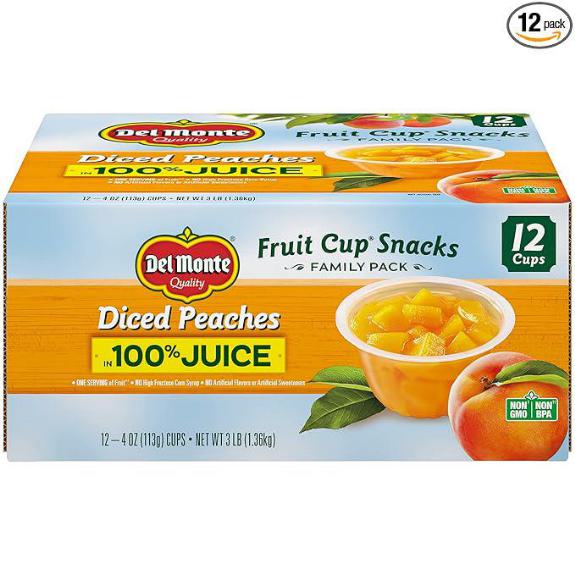
Single-serve fruit cups fix a real problem in any food supply: portion control with no waste. You grab a 4-ounce serving and move on, no measuring.
You get twelve cups of diced peaches in 100% real fruit juice. They use non-GMO ingredients and skip the artificial junk. The easy-peel lids open fast, even when your patience is running thin.
Stash these in your emergency kit, a desk drawer, or the car. Del Monte lists the packaging as non-BPA, and one cup is one serving, so there is no half-eaten can to keep cold.
- Food Category
- Fruit
- Shelf Stability
- Shelf-stable
- Pack Size
- 12-pack (4 oz cups)
- Dietary Certifications
- Non-GMO, non-BPA
- Preparation Required
- Ready-to-eat
- Additional Feature
- Easy peel-off lid; School lunchbox perfect; Weekend trips convenient
In this guide
Best canned foods compared
Here is how the sixteen picks line up. Protein figures come from each listing, so check the label on the can you actually buy. Shelf life comes from the USDA:
High acid foods such as tomatoes and other fruit will keep their best quality up to 18 months; low acid foods such as meat and vegetables, 2 to 5 years.
Source: USDA Food Safety and Inspection Service, How long can you keep canned goods?, accessed November 2026.
| Pick | Protein | Shelf life (best quality) | Eat cold or heat? | Best use |
|---|---|---|---|---|
| SPAM Classic, 12-pack | See listing | 2 to 5 years (low-acid) | Fully cooked, fry if you have heat | Protein staple for the pantry |
| Swanson White Chunk Chicken | 15 g per 3 oz | 2 to 5 years (low-acid) | Eat cold | Sandwiches, crackers, salads |
| Sweet Sue Chicken Breast, 24-pack | 11 g per serving | 2 to 5 years (low-acid) | Eat cold | Feeding a family from one big pack |
| Bumble Bee Solid White Albacore | 29 g per can | 2 to 5 years (low-acid) | Eat cold | Highest protein in this list |
| Wild Planet Sardines, no salt added | 18 g per 3 oz | 2 to 5 years (low-acid) | Eat cold, pull-tab lid | Salt-free protein |
| Keystone All Natural Ground Beef | See listing | 2 to 5 years (low-acid) | Eat cold or brown it | Tacos, chili, casseroles |
| Chicken of the Sea Light Tuna, 10-pack | 23 g per serving | 2 to 5 years (low-acid) | Eat cold | Tuna on crackers or over rice |
| Armour Star Vienna Sausage | See listing | 2 to 5 years (low-acid) | Eat cold | Small no-cook snack |
| Hormel No Salt Added Chicken | 9 g per serving | 2 to 5 years (low-acid) | Eat cold | Lower-sodium chicken |
| 365 Organic Bean Trio | See listing | 2 to 5 years (low-acid) | Eat cold, drain first | Fiber, sides, soups |
| Bush’s Best Black Beans, 12-pack | 7 g per serving | 2 to 5 years (low-acid) | Eat cold, drain first | Beans by the case |
| Campbell’s Chunky Bean Soup with Ham | 17 g per can | 2 to 5 years (low-acid) | Heat first | A hot meal |
| Hormel Chili and Dinty Moore Stew | 10 g per serving (stew) | 2 to 5 years (low-acid) | Heat first | Comfort food |
| Dole Pineapple Chunks, 12-pack | See listing | Up to 18 months (high-acid) | Eat cold | Something sweet |
| Del Monte Sliced Peaches, 4-pack | See listing | Up to 18 months (high-acid) | Eat cold | Family-size fruit |
| Del Monte Peach Fruit Cups, 12-pack | See listing | Up to 18 months (high-acid) | Eat cold | Single servings, no leftovers |
Heat-first cans matter only if you have a safe way to heat them.
How much canned food do you need?
Start with the number the federal government gives. Ready.gov lists this as part of a basic kit:
Food (at least a several-day supply of non-perishable food)
Source: Ready.gov, Build A Kit, accessed October 2026.
Your own number depends on how many people you feed and how many days you want to cover. Follow your local emergency officials for what to expect in your area, and call 911 in an emergency.
Prioritize protein first
In our house protein comes first, because it keeps us full longer than a can of mostly starch and salt. Compare the protein line on each label. In the table above, the picks run from 9 grams per serving for the no-salt chicken to 29 grams per can for the albacore tuna.
Canned chicken and ground beef are an easy way to get protein without much fuss. Check the sodium on the label too, and if anyone in your house follows a medical diet, ask their doctor what sodium and protein range fits. If you want backup protein that does not come in a can, beef jerky and fortified energy bars need no prep, though they do not stretch across meals the way canned meat does. Keep a little of both.
How to choose the best canned foods for emergencies
Weigh shelf life and nutrition against the space you have to store it. Then think about who eats in your house and how many ways you can actually use the food. The five points below help you build a supply that gets eaten before it expires, instead of money sitting on a shelf going bad.
Shelf life
Most canned food lasts two to five years, and acidity is the reason for the spread. Here is the USDA’s guidance:
High acid foods such as tomatoes and other fruit will keep their best quality up to 18 months; low acid foods such as meat and vegetables, 2 to 5 years.
Source: USDA Food Safety and Inspection Service, How long can you keep canned goods?, accessed November 2026.
So rotate the high-acid cans more often.
A printed date is not the whole story, so check how shelf life actually holds up past the printed date before you toss a can. Before you eat from any can, the CDC lists these warning signs:
The container is leaking, bulging, or swollen
The container looks damaged, cracked, or abnormal
The container spurts liquid or foam when opened
The food is discolored, moldy, or smells bad
If the container or the food inside have any of these signs of contamination, throw it out!
Source: CDC, Botulism Prevention: Home-Canned Foods, accessed October 2026.
When in doubt, throw it out.
Nutrition
Pay attention to what is inside the can. Look for protein on the label to keep you full when fresh food is not an option. Canned vegetables and legumes add fiber. Canned fish and meats are a ready source of protein, and canned fruit packed in juice or water adds variety. Read the labels and compare sodium and added sugar.
Storage space
A dozen cans, or a hundred, do you no good with nowhere to put them. Measure the space you have now, both the volume and the dimensions, since cans come in different sizes. Pick cans that stack neatly in your pantry. Uniform sizes are easier to stack and waste less room. Keep the area cool and dry, since heat swings and humidity cut shelf life short. Keep a simple inventory of what you have, and the free home inventory checklist works well for pantry shelves too. Rotate your stock by moving older cans to the front and putting new ones behind them, so you use food before it expires.
Dietary needs
Look past calories and shelf life to who in your house is eating. Scan labels for gluten-free certification if anyone has celiac disease or an intolerance. Look for vegan or vegetarian options when you need plant-based food. Read ingredient lists carefully to protect family members with allergies, and steer clear of products that warn about cross-contamination.
If anyone in the house follows a medical diet, such as low sodium, ask their doctor what to look for before you stock up, and read the label on every can. Check the protein sources too. Beans and lentils are plant options if someone does not eat meat.
Meal variety
Stock cans that work in more than one meal. Canned chicken and tuna make a quick snack or the base of a main dish with almost no prep. You can turn them into omelets, sandwiches, casseroles, and stews. Canned vegetables and beans drop right into soups, salads, and sides. Keep fruit packed in juice for desserts, breakfast, or a sweet addition to a salad. Foods like these also cover vegetarian and gluten-free needs. Lean toward items that move across breakfast, lunch, and dinner so meals do not get repetitive.
Easy to open
You have to be able to open the can when it counts. Keep cans with pull tabs for fast access with no tools. Keep some standard cans too, and a manual can opener, since it works without power.
Look at the packaging as well. Many brands now advertise BPA-free linings, which some shoppers prefer, though the FDA maintains that BPA is safe at the levels currently found in canned food based on its review of the available research. Either way, sturdy cans hold up to rough handling and keep the contents good until you need them.
Organize your supply so you can stack cans and find them fast. Put pull-tab cans up front for the quickest grab, with standard cans behind them.
Water use
When water gets scarce, you want cans that need no extra water to prepare. Pick items packed in water or juice, since fruits and vegetables add a little liquid with every bite.
Choose ready-to-eat options to save your water. Skip anything that needs rinsing, cooking, or cleanup, since that drains your supply fast. Read the labels, because some beans and vegetables need draining or heating, which costs water you may not have to spare.
Stock pull-top cans of soups, stews, and fruit that you can eat straight from the container. That stretches your water further while keeping you fed. If water storage is tight in your home too, lean even harder toward the wet-packed options above.
Round out your pantry with non-canned staples
Cans are the backbone of a good food supply, but a few shelf-stable staples that aren’t canned fill in the gaps. Build this up slowly. Add three items to your cart on each regular grocery run and you’ll have a real supply within a couple of months, no big shopping trip required.
- Peanut butter or almond butter: an easy source of protein and fat that needs no fridge and spreads on crackers in seconds.
- Nuts and trail mix: almonds, walnuts, and cashews stand in for meat when you need quick protein and energy. Skip these if anyone in the house has a nut allergy.
- Whole-grain crackers: they keep longer than bread in a cool, dry spot, and they pair with peanut butter, canned meat, or soup.
- Dried pasta and jarred sauce: both sit in the pantry for months and give you a hot meal when you have any way to boil water.
- Dried fruit: raisins, apricots, and figs keep far longer than fresh fruit. Pick versions without added sugar.
- Powdered milk: a way to keep dairy on the shelf without a fridge.
Pair all of it with a manual can opener, since a can full of protein does you no good if you can’t get into it.
Frequently asked questions
How long does canned food last?
The USDA says “High acid foods such as tomatoes and other fruit will keep their best quality up to 18 months; low acid foods such as meat and vegetables, 2 to 5 years” (USDA FSIS). Those are quality guides, not an expiration switch. Our page on how long canned food lasts after the expiration date walks through what to check before you eat from an older can.
Which canned foods can you eat without cooking?
Every pick in the table above except the soup, chili and stew is listed as ready to eat, and the chicken, tuna, sardines and fruit are the easiest to eat straight from the can. Check the label on the can you buy, because some beans and vegetables suggest draining or heating first.
Are dented cans safe to eat during emergencies?
The USDA puts it this way:
If a can containing food has a small dent, but is otherwise in good shape, the food should be safe to eat.
Discard deeply dented cans. A deep dent is one that you can lay your finger into. Deep dents often have sharp points. A sharp dent on either the top or side seam can damage the seam and allow bacteria to enter the can. Discard any can with a deep dent on any seam.
Source: USDA Food Safety and Inspection Service, Is it safe to use food from dented cans?, accessed November 2026.
The CDC’s warning signs above (leaking, bulging, swollen, damaged, or spurting) mean the can goes in the trash. When in doubt, throw it out.
What’s the safest way to heat canned food without power?
Heat it outdoors on a camp stove or grill, never indoors. Ready.gov says:
Generators, camp stoves or charcoal grills should always be used outdoors and at least 20 feet away from windows.
Source: Ready.gov, Power Outages, accessed October 2026.
Follow your local fire department and emergency officials for burn bans and other local rules.
Conclusion
Stock proteins like SPAM, tuna, and canned chicken for staying power, add beans and soup, and keep some fruit for variety. Check labels for sodium when you can, and rotate the oldest cans to the front. Follow your local emergency officials in any storm or outage, and call 911 in an emergency. Start building your supply today: add three cans to your cart on the next grocery run.