Buying Guides
Is it Safe to Keep a Fire Extinguisher in a Car?
We may earn a commission if you buy through our links, at no extra cost to you. We don't test every product ourselves. We read and weigh real buyer reviews to give a fair, balanced picture. How we research.
In this guide
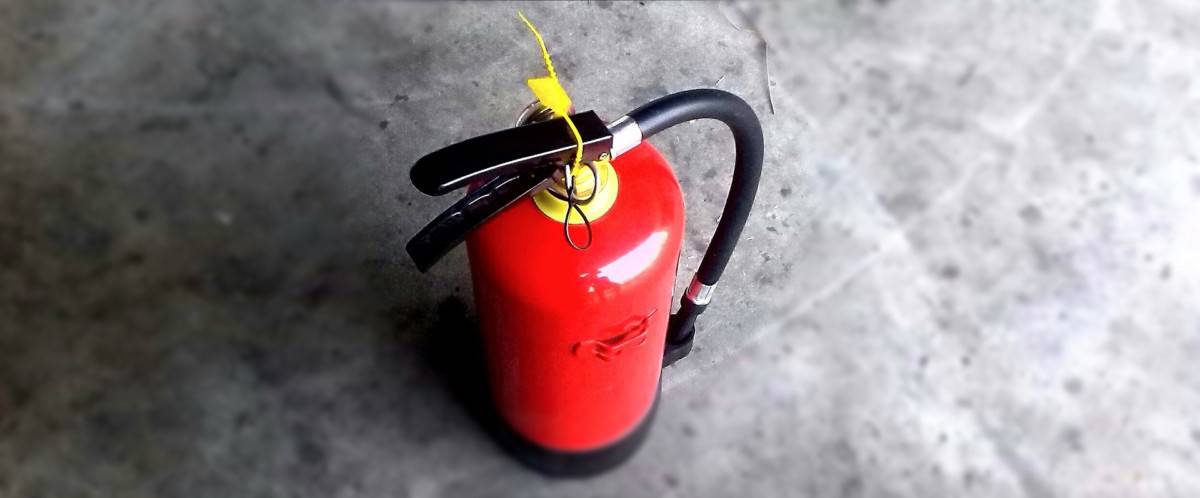
Yes, it is safe to keep a fire extinguisher in your car. Quality extinguishers are rated to withstand temperatures up to 175°F, well above the roughly 150°F a closed car reaches on a hot day. Choose a compact ABC-rated dry chemical model, mount or strap it so it can’t shift, and check the gauge yearly.
Vehicle fires aren’t rare. NFPA’s most current data puts them at 16% of all fires U.S. fire departments respond to, an estimated 215,000 a year, and the same report finds they start most often in the engine, running gear, or wheel area rather than the passenger cabin. Fires peak in the summer months and cluster in the late afternoon commute, which tracks with heat and mechanical strain rather than anything mysterious. A compact extinguisher within reach gives you a shot at stopping a small fire before it becomes a total loss, or before it spreads to someone else’s car in a parking lot.
Will the heat inside a car damage it?
This is the question most people actually have, and the short answer is no, not under normal conditions. A closed car can climb past 150°F on a hot day, and studies have shown the cabin can get 40 degrees hotter than the outside air within about an hour. That sounds alarming next to a pressurized canister, but quality extinguishers are built and UL-tested to hold up well past that: most are rated to withstand temperatures up to 175°F without rupturing. A car interior, even in peak summer, is very unlikely to reach that number.
Where it gets more nuanced is long-term performance rather than safety. Most extinguishers are rated for a working range of roughly -40°F to 120°F, the band manufacturers test to so the unit performs exactly to its rated spec. Above 120°F, which a car interior can realistically hit on a hot afternoon, the extinguisher won’t rupture or become unsafe, but repeated heat cycling can shorten its working life and, over years, may affect seals or spray duration. That’s a good reason to check the gauge yearly, not a reason to keep it out of the car. Whatever you buy, confirm it carries a UL or ULC listing on the label; that’s the mark that it was actually tested to the standard it claims, a point the U.S. Fire Administration makes as well.
A few habits keep the swings smaller:
- Park in shade when it’s easy to do, since direct sun through glass is what drives interior temperature the highest
- Store the extinguisher under a seat or in the trunk rather than on the dash or rear shelf, since those spots run hottest and get the most direct sun
- A dark tint or sun visor helps modestly, but don’t count on either one to solve the problem on its own
Secure it so it can’t become a projectile
This is the part people skip, and it matters most for safety. A loose extinguisher rolling around a footwell or trunk is a hazard in its own right. In a hard stop or a crash, a few pounds of unsecured metal moving at speed can injure someone or damage the car, and it may not be within reach exactly when you need it.
Use a mounting bracket, which most extinguishers ship with or sell as an add-on, and bolt or strap it to a solid point under a seat, in the trunk, or against the side panel. If a permanent mount isn’t practical, a snug strap or a fitted storage bag that keeps it from sliding is a reasonable second choice. Either way, the goal is the same: it should not move when the car does.
Which rating suits a vehicle
For a car, a compact ABC-rated dry chemical extinguisher covers the fire types you’re most likely to face: ordinary combustibles (A), flammable liquids like fuel (B), and electrical fires (C). That’s a sensible default for most drivers. If you drive a gas or hybrid car and want something that leaves no residue on the interior, a BC-rated Halotron model is worth the tradeoff, since it skips the messy dry chemical cleanup in exchange for a narrower fire-type coverage. For a full walkthrough of ratings, sizes, and how to pick between them for your home, see our fire extinguisher buying guide; the car calculus is the same rating logic, just sized down.
What about EV battery fires
A portable extinguisher is not built to put out an EV’s lithium-ion battery pack, and no ABC or Halotron unit on this page will change that. NFPA explains that a battery fire burns differently than a gasoline fire: it runs on thermal runaway inside sealed cells, so it needs a huge, sustained volume of water to cool the pack down rather than a quick chemical knockdown, and a pack that seems out can reignite hours or even days later as damaged cells keep heating each other. That is a fire department job, not a driveway one.
None of that means skip the extinguisher if you drive an EV. It still earns its keep on the fires that actually happen inside or around the car: a wiring short, an interior fire from something you’re carrying, or a fire in a nearby vehicle. What changes is the plan for a battery fire specifically: get everyone out and clear of the vehicle, call 911, tell the dispatcher it’s an EV so the right resources come, and do not attempt to fight it yourself no matter how small it looks at first.
Inspection cadence
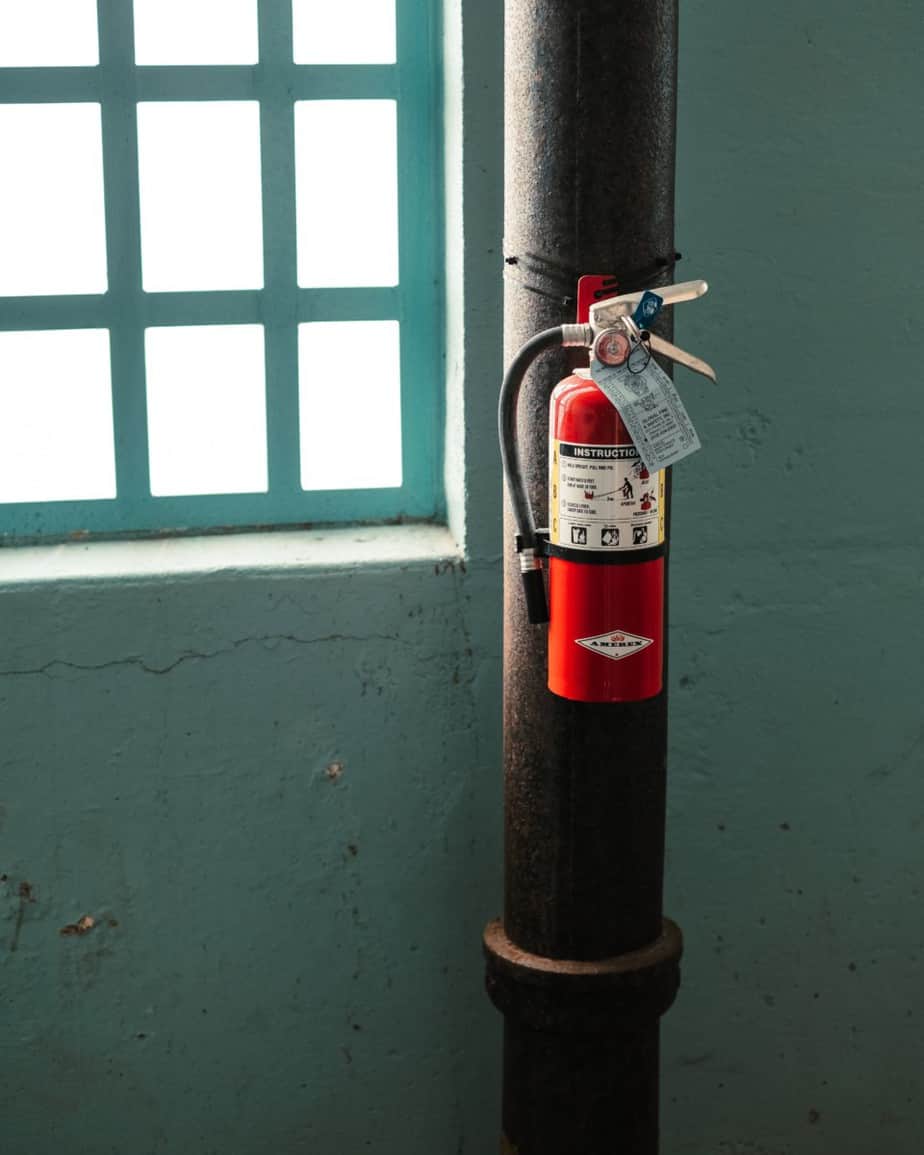
Check the pressure gauge whenever you get in the car for a longer trip, and do a real inspection at least once a year: confirm the needle sits in the green zone, the pin and tamper seal are intact, and the canister shows no dents, rust, or leakage. Replace or recharge it immediately after any use, even a partial one, since a discharged extinguisher won’t help you the next time. Track the date in the property section of an emergency binder checklist so it’s not something you’re guessing at a year from now. Our guide on storing a fire extinguisher safely covers the inspection routine in more depth if you want the full checklist.
4 best fire extinguishers for cars
The best car extinguishers handle a range of fire types and are easy to grab and use. When you shop, look at a few things:
- Size. Compact, lightweight models are easier to store and quick to grab in an emergency.
- Fire class. Different extinguishers handle different fires. A car can throw several types at you, so cover them all. Look for one that meets multiple fire classes, like ABC.
- The material inside. Extinguishers are also sorted by what they spray: pressurized water, dry chemical, carbon dioxide, and Halotron. Dry chemical handles all types (ABC), and Halotron is made for flammable liquids and electrical fires (BC).
- Build quality. Check for a mounting bracket, the spray range, the valve design, and the metal used for the canister.
Based on those points and what is on the market today, here are the best fire extinguishers for cars so you have backup if a fire starts.
Amerex B385TS Halotron fire extinguisher
The Amerex B385TS is a BC-class extinguisher made for flammable chemicals and electrical fires. The canister and the valve are metal (aluminum valve), which makes it more durable. It is reusable, so you do not have to buy a new one after each use.
It uses Halotron gas, so it leaves no residue and no cleanup after a fire. It works best on B and C fires and will handle smaller A-class fires too. We like it for electric vehicles since it targets electrical fires well. It is a high-quality unit, and a Halotron distributor can refill it.
What we like
- All-metal parts hold up better than the plastic valves on cheaper models
- Quick spray can put a fire out in under 10 seconds, before it spreads
- Halotron gas is clean and does not add damage to whatever is burning
What we don’t
- The quality is real, but it costs more than most options on the market
- Not recommended for all Class A fires (burning of non-metal material)
Kidde Pro 210 fire extinguisher
Kidde has been a name in fire safety for a long time, which makes its gear dependable. The Kidde Pro 210 uses dry chemical for ABC fires, sprays for up to 14 seconds, and reaches 12 to 18 feet. The cylinder weighs only four pounds, so it is easy to handle.
The metal valve holds up better than plastic ones and lasts longer. A sturdy unit like this stays ready for the moment you need it. We recommend it for the car and plenty of other spots because it is reliable and trusted.
What we like
- A pressure gauge and clear instructions tell you what you need to use it safely
- Rechargeable canister makes it a solid buy you can reuse
- Heavy-duty build keeps it intact for a long time
What we don’t
- Shipping can sometimes set off the discharge before first use, which is a hassle on a new product
- A 4 lb. unit with 15 seconds of spray may not be enough for a bigger fire
Amerex B402 dry chemical fire extinguisher
Like the Kidde model, the Amerex B402 is a Class ABC extinguisher with all-metal construction, and it rates near the top for performance. It is a bit bigger, so it handles larger fires better. We recommend it for larger vehicles and trucks.
It sprays for 14 seconds and is strong enough to put out most car fires, plus fires around a house or other spots. It is rechargeable, so the larger canister is a worthwhile buy. It is bigger than the alternatives, but the extra dry chemical can be worth it for more power, and it costs less to run.
What we like
- Well-built and durable next to many plastic, cheaper options
- Trusted by buyers to spray when needed and hold back bigger fires
What we don’t
- Any dry-chemical product is messy to clean up and can mark surfaces if you do not wipe it soon after the fire
First Alert EZ Fire Spray (formerly sold as Tundra)
The First Alert EZ Fire Spray is a budget-friendly pick if you want something small and simple; First Alert rebranded this line from “Tundra” but it’s the same aerosol formula. It works best on A and C fires, stores easily in the car, and weighs less than a pound.
It sprays for up to 32 seconds, so you have plenty of foam to work with. The foam comes out in a wide spread, so you cover more of the fire at once and do not have to get too close.
What we like
- The aerosol can is about the easiest type to grab and use
- A simple nozzle makes it easy to spray without fuss
- The foam is biodegradable and will not mark surfaces (still wipe it off once the fire is out)
What we don’t
- Cans like this are made for small, growing fires and may not handle large ones
- The can is not reusable, so you replace it after every use, which adds waste and cost
- It cannot be sold in some states (not for sale in CA, NV, and NY)
Using it safely if a fire starts
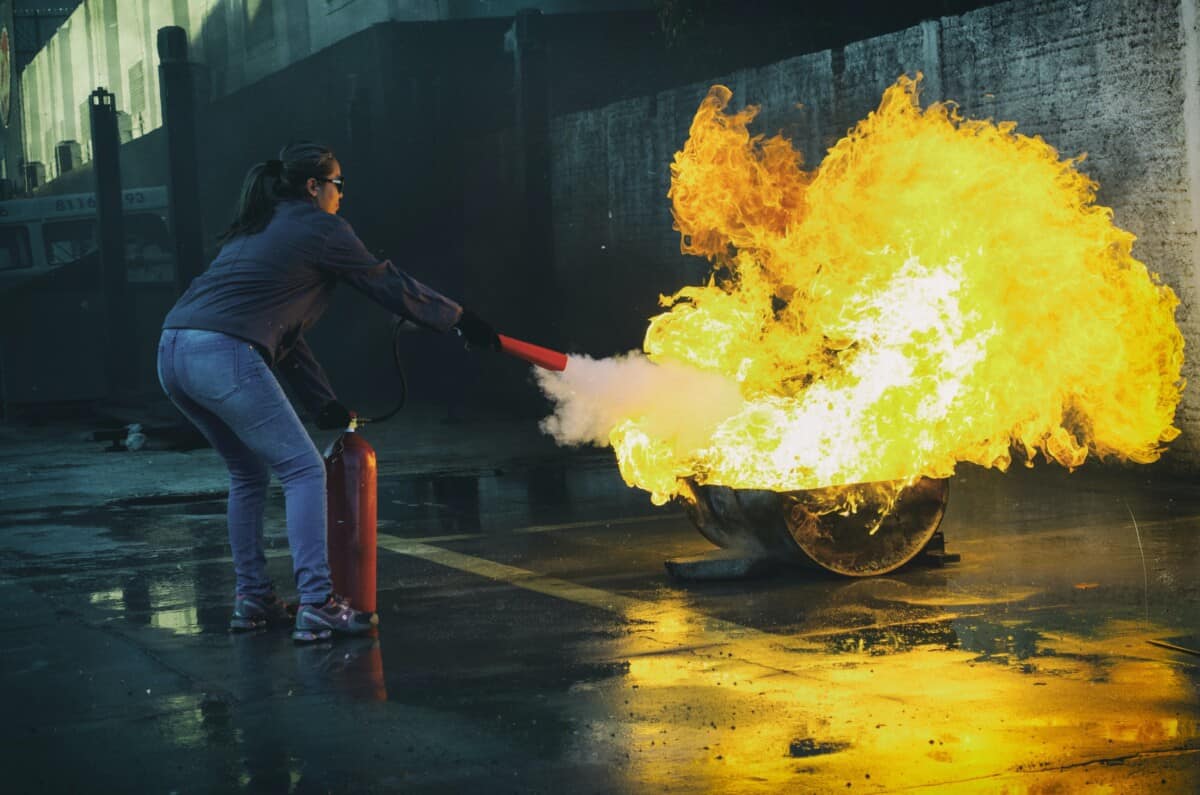
Keep it simple and remember the PASS method: pull the pin, aim at the base of the fire, squeeze the handle, and sweep side to side. Read the instructions on your specific unit ahead of time so it’s not the first time you’re reading them mid-emergency.
A couple of other things worth knowing:
- If the fire is bigger than a wastebasket or growing fast, get everyone clear and call the fire department. An extinguisher is for small fires, not a substitute for the crew.
- Match the extinguisher to what’s actually burning. A carbon dioxide extinguisher, for example, can make an electrical or fuel fire worse rather than better.
- Keep a clear exit behind you the whole time you’re working.
A fire extinguisher belongs in your car alongside the rest of your emergency supplies, including a first aid kit that hasn’t quietly expired in the glovebox. If you haven’t put together a full kit for winter driving yet, our car emergency kit guide is a good next stop.
Coming soon
The part of being prepared most families never finish
The Family Emergency Binder puts your family's contacts, documents, and plans in one place — a 15-minute quick start tonight, finished over a weekend. Join the list and we'll email you the moment it's ready, at the $19 launch price for a limited time.