We may earn a commission if you buy through our links, at no extra cost to you. We don't test every product ourselves. We read and weigh real buyer reviews to give a fair, balanced picture. How we research.
In this guide
You can still cook during a power outage with a propane stove lit by match, a grill running outdoors only, a fireplace with the flue open, or a portable camp or butane stove. Each works without electricity as long as you stay outdoors or in a well-ventilated room, since indoor use risks carbon monoxide buildup.
No electricity does not mean no hot meal. You have several ways to cook during a power outage, and a few simple steps now will make the next one easier.
What are the best ways to cook when the power is out? Here are the eight:
- Propane stove
- Grill
- Fireplace
- Dutch oven
- Camping stove
- Folding stove
- Portable butane stove
- Kerosene heater
Most of these involve an open flame, so follow the safety steps for each one. Below you will find how each method works, a chart to tell you which foods are still safe to eat, the precautions to take, and tips for cooking without power.
1. Propane stove
A propane stove will cook a meal during a power outage. The built-in igniter needs electricity, but you can light the burner with a match. Stay in a room with good airflow so carbon monoxide does not build up. It can be deadly.
Check that all burners are off before you start. Hold a lit match to the burner, turn the burner knob to the lowest flame, and once it catches, turn the burner fully on. Move carefully. Accidents with a match happen fast.
The oven almost certainly needs electricity, so plan to skip it during an outage.
2. Grill

If the power is out and you have a grill, whether it runs on coal, propane, or solar, you can make a hot meal. The best part is that you can grill in almost any weather with a few small adjustments.
If you lose power on a cold, snowy day, bundle up before you head out and wear heat-resistant gloves. Clear a path to the grill and remove any snow and ice around it first. Cold-weather grilling takes longer, so keep plenty of fuel on hand and grill with the lid closed.
If it is raining, put on rain gear and bring someone to hold an umbrella over the food. Grilling in the rain also takes a little longer than usual.
Grilling in snow or rain is not fun, but never move the grill into the garage. It produces carbon monoxide, which is dangerous to breathe.
3. Fireplace

No power but a fireplace at home? You can roast vegetables, meats, or marshmallows for s’mores on skewers.
Open the flue before you start. A closed flue exposes you to carbon monoxide. Keep anything flammable away from the fire and make sure the chimney is clean. Even if you only use the fireplace a few times a year, stay current on cleaning and maintenance for safety.
Set a pan nearby to catch drippings. It makes cleanup easy and cuts down on smoke.
4. Dutch oven
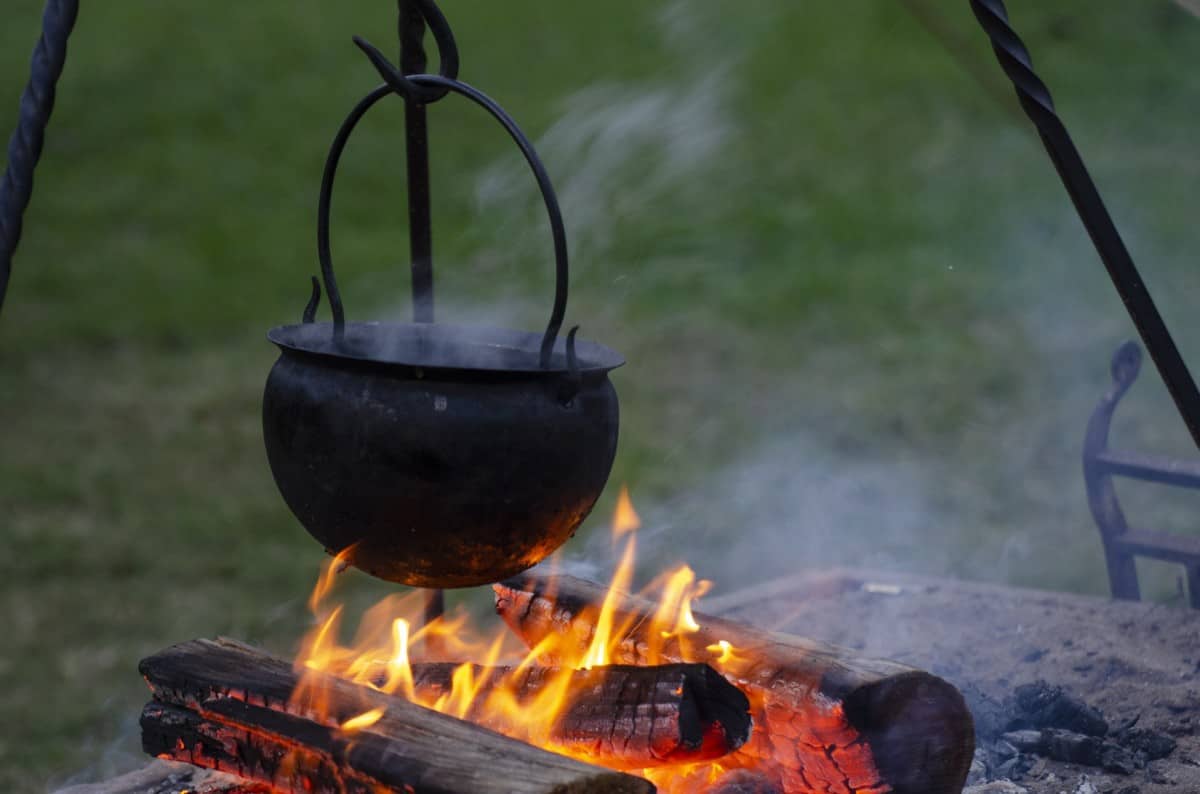
With a Dutch oven and a heat source (a campfire, fire pit, fireplace, or grill), you can make a good meal without power.
If you cook over an open fire, build it first and let it burn down to a bed of hot coals. The nice thing about a Dutch oven is that you just put all the ingredients in the pot. Set the lid on snugly, place the pot on the hot coals, then use a small scoop to put a layer of hot coals on top of the lid. Check the food about every 10 minutes. A Dutch oven cooks fast.
5. Camping stove
Camping stoves are portable, lightweight stoves made for camping, and they work just as well when the power goes out and you need to eat.
Most camp stoves run on propane, so check that you have enough fuel before you start. Connect the propane to the stove, use the igniter to light it, turn the knob, and you are ready to cook.
If you want to buy a camping stove, here are two to look at:
This Coleman stove has two adjustable burners, wind-blocking panels, and pressure control that keeps it cooking even in rough conditions.
This one has matchless ignition, a stainless steel drip tray for easy cleanup, and two burners.
6. Folding stove
A folding stove is a small, compact stove that opens into a roughly square box. Fuel goes under a metal grate, and you cook on top. It is cheap, easy to clean, and works indoors or out.
The one drawback is that it does not put out much heat. A small frying pan or small pot works best, and it is good for canned foods like soups, chilis, and vegetables.
If a folding stove sounds useful to keep around for emergencies, here are two options:
- Coghlan’s folding stove. It measures 6.5” x 6.5” x 5” and works with any canned fuel.
- Sterno portable folding stove. It weighs less than one pound and holds a 7 oz. Sterno fuel canister.
7. Portable butane stove

A portable butane stove is another small, compact stove that is handy in an emergency or when the power goes out.
To use one, make sure the stove is off, open the butane cartridge compartment, line up the latch with the canister, close and lock the compartment, then turn the dial clockwise until you hear a click. You can use any pot or pan, as long as it is not larger than the stove itself.
Do not use a butane stove indoors or in a tight, closed space. Outside, it will cook nearly anything you want.
8. Kerosene heater
A kerosene heater is a good heat source for cooking during a power outage. To use one safely, keep enough fuel on hand, keep the wick clean, and clean up any kerosene spills right away. Spilled kerosene is a fire hazard.
When you cook on it, keep the heater several feet from furniture, curtains, papers, clothes, and bedding. It is a constant open flame, so keep children and pets away. Do not touch it while it is running, and let it cool before you do.
To cook, set your pot or pan on top of the heater. It gets hot enough to boil water and can handle things like canned soups, vegetables, and macaroni and cheese.
Keep a container of kerosene on hand so you are not caught short. Our guide on storing fuel for emergencies covers how to keep it fresh and safe until you need it.
If you do not have a kerosene heater yet, here are two to look at:
- Dura Heat indoor kerosene heater. It runs 8 to 12 hours on one tank, gives off both heat and light, and the no-lift heat chamber cuts down on startup odor.
- Sengoku HeatMate kerosene heater. It runs up to 14 hours on one fill, has automatic shutoff, and measures 15” x 15” x 23”.
What to cook during a power outage
Here are a few breakfast, lunch, dinner, and snack ideas you can make without power.
Breakfast
-
Yogurt parfait. A good way to use up yogurt and fresh fruit before they go bad. Layer yogurt, fruit, and granola if you have it, and you have a healthy, filling breakfast.
-
Overnight oats. A simple way to have breakfast ready the next day. Mix oats with water and let them sit out overnight, then in the morning add peanut butter, chocolate chips, syrup, brown sugar, cinnamon, whatever you like.
-
Banana wraps. Spread your favorite nut butter on a tortilla, slice a banana in half, place it on the tortilla, and wrap it up. It is high in protein and the tortilla adds carbs to keep you full for hours.
Lunch
-
Salad. A big tossed salad is a good way to use up fresh vegetables before they go bad.
-
Nachos. If you have beef, cook it with whatever peppers and seasoning you like, then layer the beef and shredded cheese on a bed of chips. Add salsa, guac, or sour cream if you have them. Another good way to use up ingredients before they spoil.
-
Peanut butter and jelly. Do not underestimate the classic. It is an easy sandwich made from ingredients that keep.
Dinner
-
Canned soup and grilled cheese. An easy, comforting dinner. Any canned soup pairs well with a grilled cheese made from whatever bread and cheese you have.
-
Pasta. As long as you can boil water, you can cook pasta and add the sauce of your choice.
-
Tuna pouches. Good to keep on hand for emergencies and they come in a range of flavors. Serve tuna on bread, tortillas, or crackers.
Snack
-
Charcuterie board. It does not have to be fancy. Some meats, cheeses, and crackers or bread are all you need for a platter.
-
Nut butter and fruit. Another way to use up food before it spoils. Chop whatever fruit you have and serve it with peanut butter.
Food safety
Food safety matters during a power outage. Here is a chart to help you decide whether to keep or toss food after it has been above 40 degrees for more than two hours, courtesy of foodsafety.gov. (See the full chart here.) If you want the fuller picture on stretching your fridge and freezer, see our guide on keeping food cold during a long outage.
| Keep | Discard | |
|---|---|---|
| Raw or leftover cooked meat | X | |
| Lunchmeat, hotdogs, bacon, sausage | X | |
| Casseroles, soups, stews | X | |
| Processed cheese | X | |
| Shredded cheese | X | |
| Milk | X | |
| Butter | X | |
| Fresh fruit/vegetables, uncut | X | |
| Fresh fruit/vegetables, cut | X | |
| Peanut butter | X | |
| Jelly, relish, mustard, olives, pickles | X | |
| Bread, rolls, cakes, tortillas | X | |
| Fruit pies | X |
Here is another table from foodsafety.gov for frozen foods. A freezer usually keeps food at a safe temperature for 48 hours, and as long as food still has ice crystals and stays below 40 degrees, you can refreeze it, though the quality may drop. Do not taste food you are unsure about. Use this chart instead (the full chart is here) to decide whether to keep or toss it.
| Contains ice crystals and feels cold as if refrigerated | Thawed and held above 40 degrees for more than 2 hours | |
|---|---|---|
| Meat, poultry, seafood | Refreeze | Discard |
| Milk | Refreeze (some loss of texture) | Discard |
| Cheese | Refreeze (some loss of texture) | Discard |
| Shredded cheese | Refreeze | Discard |
| Fruit juice | Refreeze | Refreeze (discard if mold, yeasty smell, or sliminess develops) |
| Fruit – home or commercially packaged | Refreeze (will change flavor and texture) | Refreeze (discard if mold, yeasty smell, or sliminess develops) |
| Vegetable juice | Refreeze | Discard after held above 40 degrees for six hours |
| Vegetable – home or commercially packaged | Refreeze (will change flavor and texture) | Discard after held above 40 degrees for six hours |
| Breads, rolls, muffins, cakes (with no custard filling) | Refreeze | Refreeze |
| Casseroles | Refreeze | Discard |
| Breakfast items: pancakes, waffles, bagels | Refreeze | Refreeze |
| Frozen meal, speciality item, entree | Refreeze | Discard |
A few more tips to keep food from spoiling:
- Keep the refrigerator and freezer doors closed as much as you can. A closed refrigerator stays cold for up to 4 hours. A closed freezer stays cold for 24 hours if it is half full and 48 hours if it is completely full.
To help keep the doors closed, move drinks to a cooler if you can.
-
Appliance thermometers in the refrigerator and freezer let you watch the temperature and tell you when the inside has warmed to an unsafe point.
-
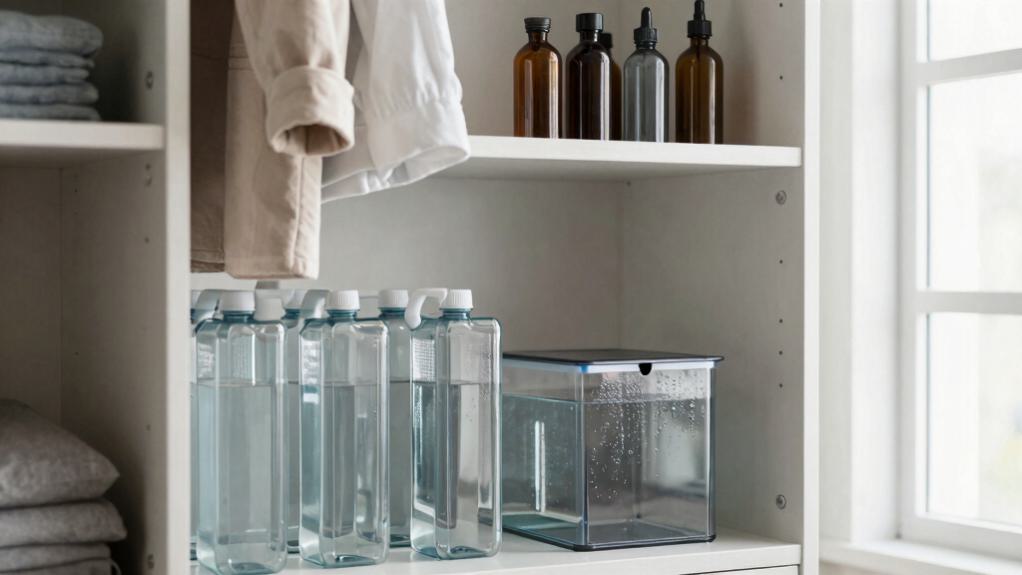
If you expect a power outage, buy extra bags of ice ahead of time, make your own with gallon storage bags and ice from your ice maker, or freeze bottled water. If you are short on bottles, freeze water in plastic ziploc bags to help keep food cold longer.
-
Also, if you expect an outage, move refrigerated foods like milk, meat, and leftovers to the freezer if that keeps them good longer.
-
If the power goes out in cold weather, it is tempting to store cold foods outside. Avoid it. Food outdoors can attract animals, and sunlight can cause it to spoil.
Helpful tips
A power outage is never convenient, but you can prepare before one hits and stay safe and calm during it. A few things to keep in mind:
-
Use cooking heat sources outdoors. Carbon monoxide can be deadly, and it only takes a few sparks to start a fire. Be careful and do not leave a grill, stove, or heater unattended.
-
Stock up on groceries. Buying a few extra canned goods and non-perishables on your regular grocery run gets you ready for an outage. Go for foods high in protein and fat. In colder weather, those foods help keep your body warm. And if you do not like it, do not buy it. If you cannot stand beans, do not waste money on them just because they are easy to make in an emergency. There are foods just as easy that you actually enjoy. Zero-prep foods include dry cereal, canned fruit, canned vegetables, canned juice, ready-to-eat canned soups and meats, canned pasta, canned beans, peanut butter, and bread. Minimal-prep foods include rice, pasta, pasta sauce, seasoning, and oats.
-
If you have a fireplace, open the flue all the way and keep the chimney clean. A fireplace is a great and fun way to cook food. Staying current on cleaning and maintenance means you can use it without worry when the power goes out.
-
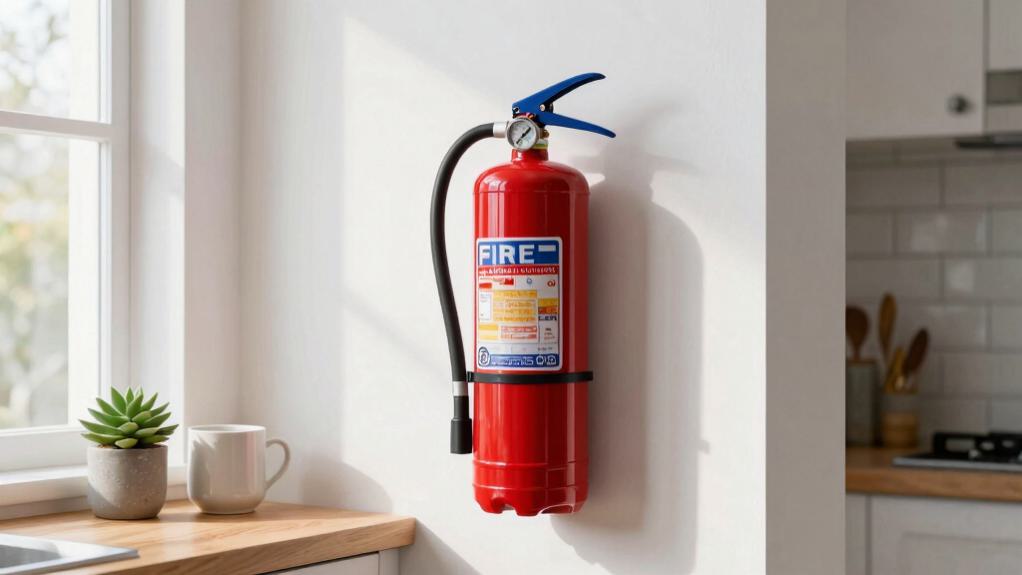
Near an open flame, keep water or a fire extinguisher within reach in case things get out of hand.
-
Besides your cooking gear, keep a first aid kit nearby for any injuries, a flashlight or other light to cook by, a tool kit in case something needs a fix, and sanitation supplies like paper towels and trash bags to keep the area clean.
-
If you expect weather that could knock out power, prep while you still have it. Plan to use the foods that will spoil first, cook meals ahead that you can reheat later, move foods to the freezer that last longer frozen, and bake breads or muffins you can eat anytime.
-
During an outage, use your perishables first if you can. Cook the foods in the refrigerator that would otherwise go bad, like meat, vegetables, and dairy. Watch how often you open and close the doors so you do not let out too much cold air. During an outage, your refrigerator is really just a cooler.
-
Keep an eye on children and pets and do not let them near any open flames.
-
Keep enough fuel for your grill or stove on hand. Knowing you have plenty if you need to cook another way takes one worry off your plate.
-
Practice these methods before an emergency so you are ready when the time comes. (A good excuse for fireplace s’mores.)
-
Stock up on disposable dishware. That way an outage does not leave you with a pile of dishes.
-
Keep your cooking heat source, whether a grill or portable stove, clean and ready to go. Light may be scarce and time may be short. If your utensils, grills, and stoves are ready during an outage, you save a lot of time and hassle. Store grills, stoves, and heaters where you can get to them easily in an emergency.
-
When it is time to cook during an outage, think about what you can reheat versus what needs full cooking. Heating canned soup is much easier than making soup from scratch. And remember to use the foods that should go first.
-
Deciding what to eat during an outage is hard because you probably have a lot on your mind. Plenty of options need no cooking at all: canned fruit, bread, bagels, muffins, cereal, granola bars, nuts, dried fruit, and jerky. They are easy to grab, last a long time, and fill you up.
Final thoughts
Cooking without power is not ideal, but you can do it several ways if you find yourself there.
A propane stove still works if you light the burners with a match. A grill works in almost any weather. A fireplace is a good heat source for food and fun to use. A Dutch oven is easy and cooks fast. Camping, folding, Sterno, and butane stoves are lightweight and portable, which makes cooking quick and simple. And a kerosene heater can double as a cooking surface.
During an outage, know the ways to keep food safe: stock up on ice, move food from the refrigerator to the freezer ahead of time, and keep appliance thermometers in both.
Know how to use your chosen method before you need it, and take every safety precaution.
No one wants a power outage, but you can be ready for one. Stock up on groceries, especially non-perishables, and water. Keep the chimney clean. Keep fuel on hand for your heat source. Gather disposable dishware to use.
An outage is inconvenient and can be unsettling depending on what caused it. Being ready gives you and the people around you peace of mind.
Coming soon
The part of being prepared most families never finish
The Family Emergency Binder puts your family's contacts, documents, and plans in one place — a 15-minute quick start tonight, finished over a weekend. Join the list and we'll email you the moment it's ready, at the $19 launch price for a limited time.